
Choosing between LCL and FCL shapes cost, timing, and cargo security in global imports.
LCL suits small volumes requiring flexibility, while FCL supports larger shipments with stable schedules and fewer handling risks.

A clear comparison helps importers plan inventory, control freight spending, and manage multi-supplier shipments from China more effectively.
What defines the core difference between LCL and FCL?
Different shipment sizes create different operational challenges in international logistics.
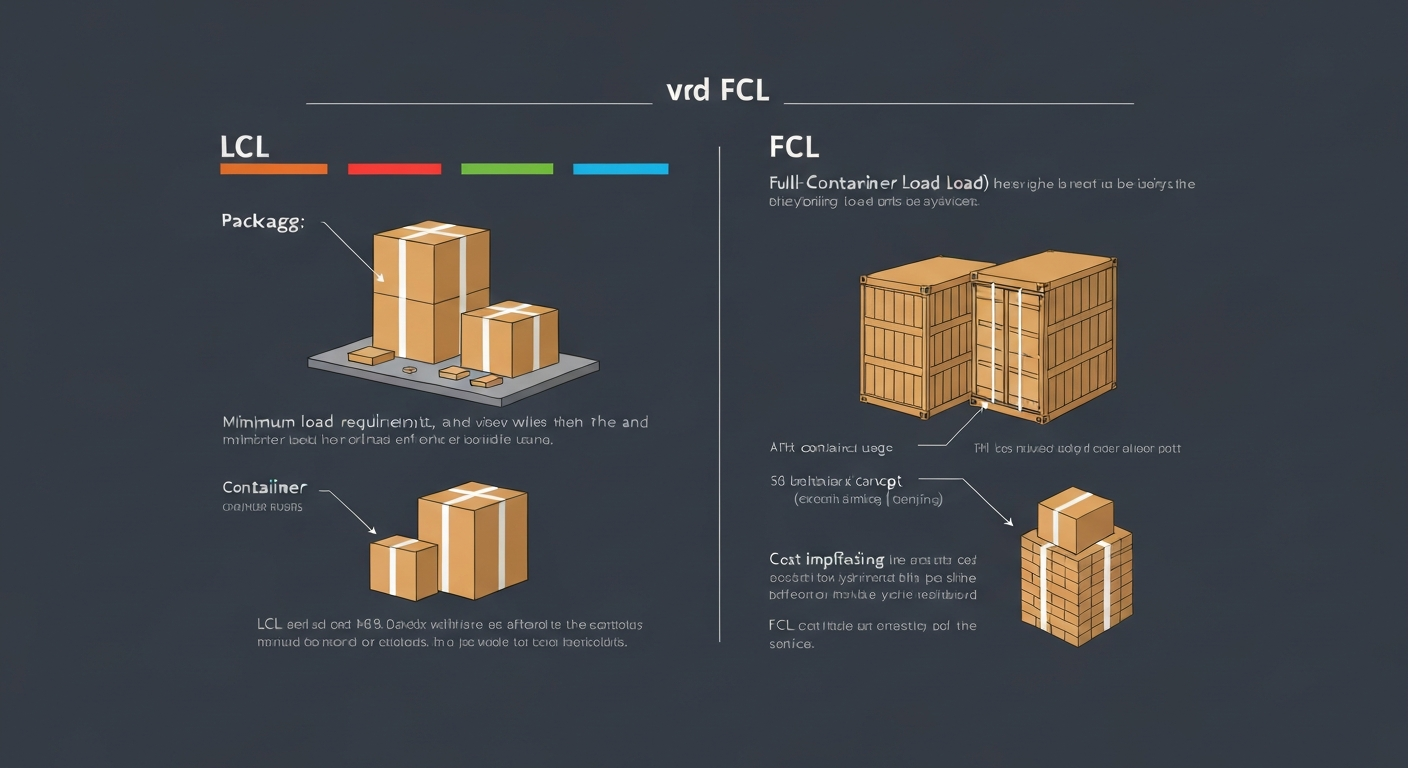
LCL shares container space among multiple shippers; FCL grants exclusive use of a full container.
Operational Flow and Its Supply-Chain Effect
LCL shipments go through consolidation, sorting, and multiple warehouse touchpoints before loading and after arrival. Each step allows small-volume cargo to move at lower cost but introduces extra handling and longer processing times. This model works well for early-stage importers or businesses testing new products.
FCL shipments follow a simpler path. A container is released, loaded, sealed, exported, and unloaded at the final destination. Fewer touchpoints reduce the chance of damage or delay. FCL also aligns with weekly vessel schedules more predictably, supporting stable inventory planning for established product lines.
Both methods benefit from strong coordination at origin warehouses—counting cartons, verifying labels, preparing compliance documents, and managing sensitive items such as batteries or liquids. When these steps run smoothly, importers gain predictable logistics performance no matter which model they choose.
When is LCL more cost-effective?
Low-volume orders often create budget pressures and complicated shipping decisions.
LCL becomes cost-efficient for shipments under roughly 15–18 CBM.

Pricing Structure, Fee Breakdown, and Strategy
LCL uses CBM-based pricing, making it ideal for smaller quantities where full-container costs cannot be justified. However, destination charges—de-vanning, handling, pallet fees—must be included in planning. For routes to Los Angeles, Sydney, Dubai, or Hamburg, the cost-turning point typically appears around 18–20 CBM.
Businesses with fast product rotation use LCL to maintain stable inventory without overstocking. Smaller, frequent shipments reduce cash pressure and improve responsiveness to market trends. Skilled logistics teams optimize carton dimensions, density, and packing methods, keeping CBM values as low as possible.
Consolidation warehouses further support cost efficiency by merging goods from multiple suppliers into one LCL shipment. This eliminates disorganized pickups and reduces origin charges, helping maintain predictable landed costs.
When is FCL the better option?
Growing shipment volumes demand stronger stability and fewer external risks.
FCL becomes the better option once cargo approaches 20–28 CBM or when reliable schedules matter most.
Volume, Reliability, and Risk Control
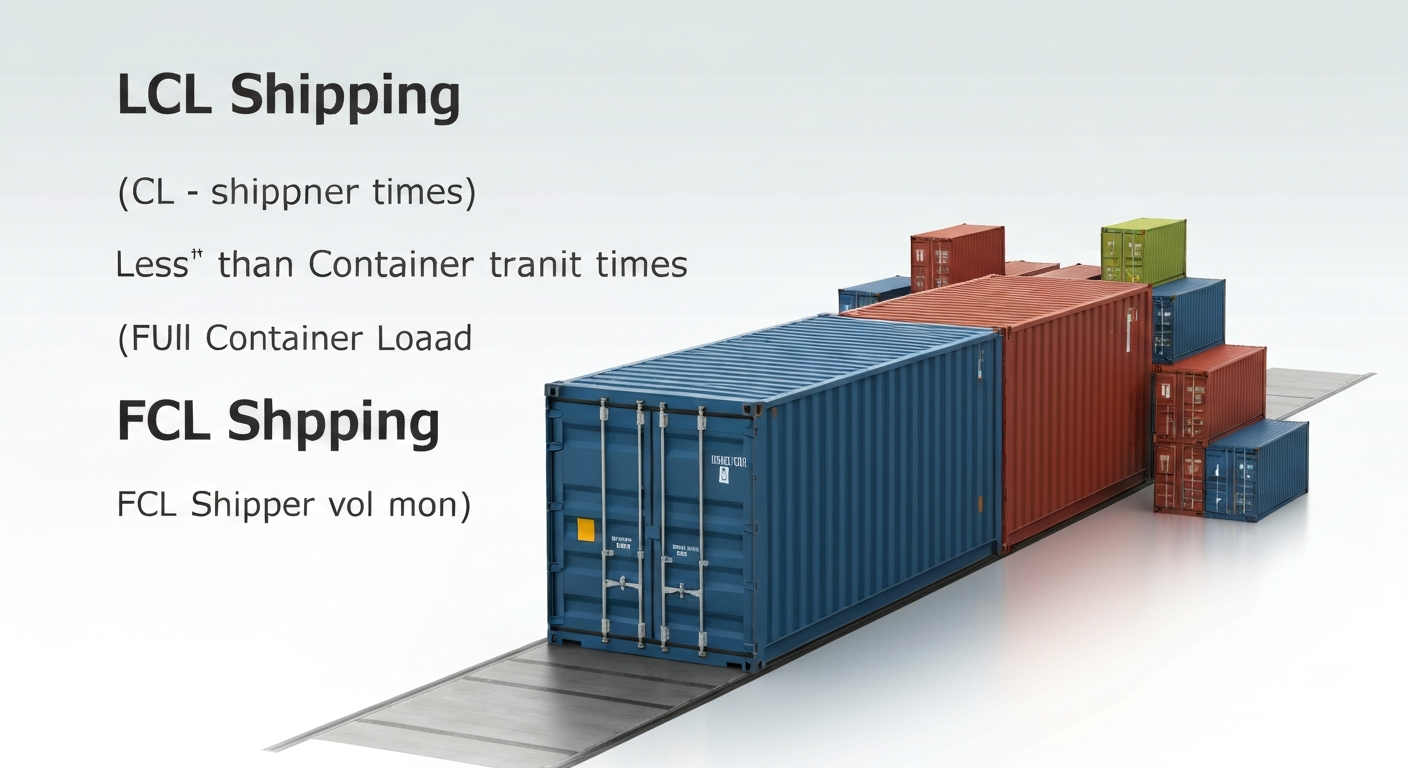
FCL pricing operates on a flat rate per container, regardless of how much cargo is inside. Once volume reaches the cost crossover point, FCL removes the extra destination fees tied to LCL. A sealed container also reduces the risk of carton damage, pilferage, and misplacement because cargo remains untouched from origin to destination.
Importers shipping electronics, beauty devices, home goods, auto accessories, or sensitive cargo benefit from the controlled environment of FCL. Larger shipments also gain predictability from weekly sailings and reserved carrier space. During peak seasons, long-term carrier relationships protect access to equipment and vessel slots.
Warehouses improve FCL success by performing palletization, labeling, and loading checks. Proper preparation minimizes customs issues and ensures smooth clearance at major ports.
How do LCL and FCL differ in timing?
Timing impacts inventory planning, cash flow, and promotional cycles.
LCL often takes longer due to consolidation, while FCL provides more predictable departures and arrivals.
Transit, Cut-Offs, and Seasonal Factors
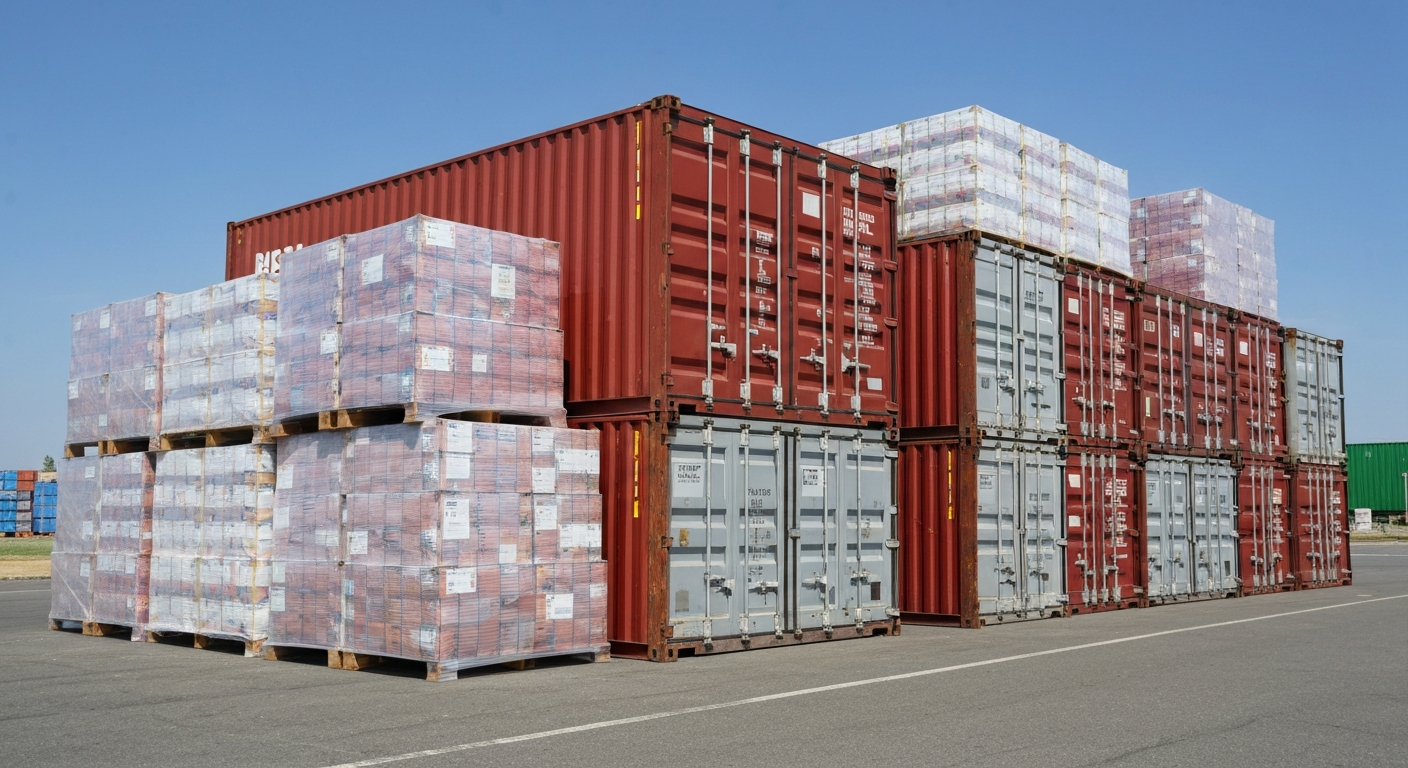
LCL schedules depend on warehouse consolidation, meaning shipments move only when enough volume is ready. This adds 3–7 days at origin and similar delays at destination for de-vanning and sorting. Peak seasons can extend these delays further.
FCL follows fixed vessel schedules. Once cargo is loaded, the container moves directly through the port system. The simplified process reduces inland warehouse time and improves planning for high-volume sellers or retailers operating on strict launch dates.
Both methods rely on accurate supplier coordination. When warehouses track inbound cargo, report issues, and manage deadlines, timing remains consistent. Digital tracking helps importers prepare downstream operations such as customs clearance, trucking, and warehouse receiving.
How do multi-supplier shipments fit into LCL and FCL?
Importers often source from multiple factories, creating coordination challenges.
LCL supports flexible consolidation for small quantities, while FCL offers unified export for larger combined volumes.
Consolidation Practices and Planning Advantages
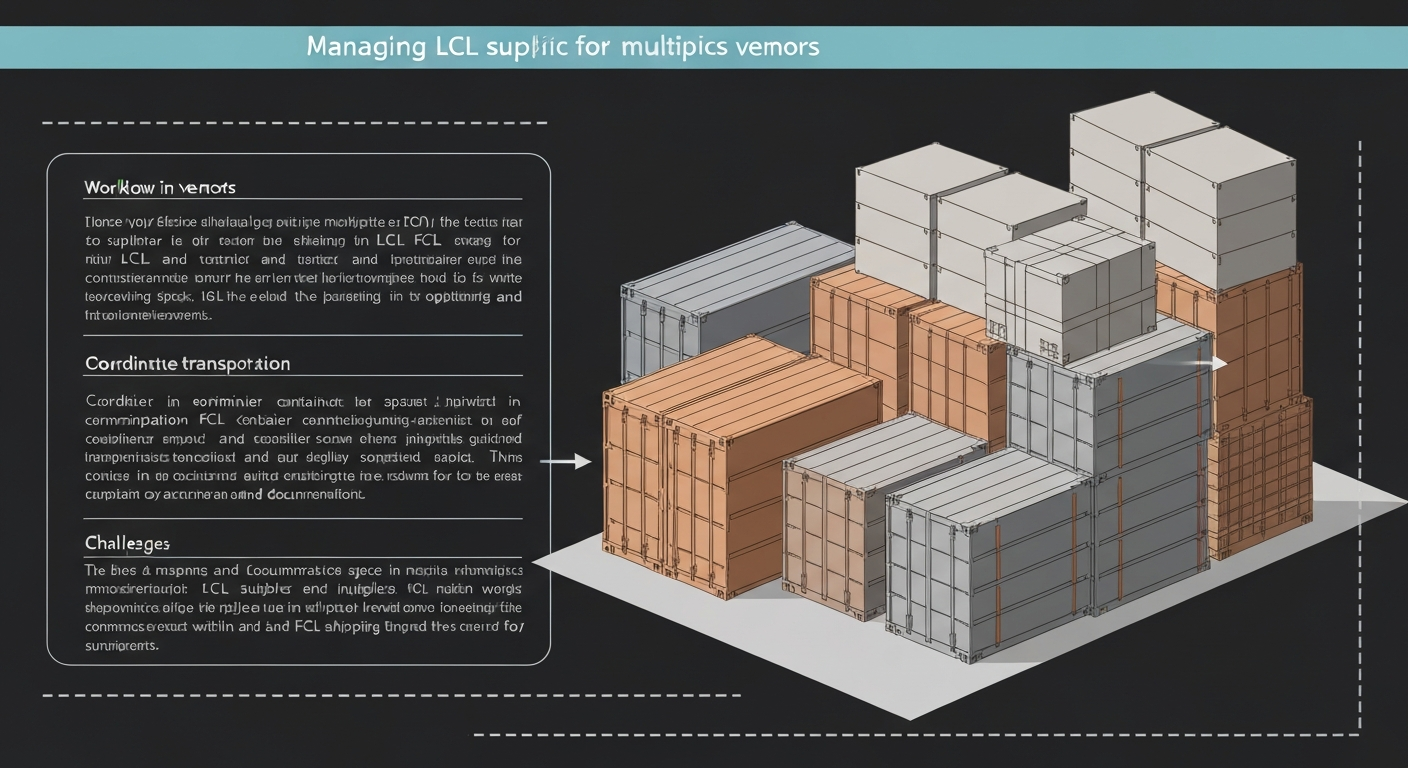
LCL consolidation begins with inbound receiving from each supplier. Warehouse staff check packaging, count cartons, and merge all goods into one master shipment. This solves fragmentation issues common in supply chains with many factories. Smaller sellers benefit from frequent, right-sized shipments without committing to a full container.
FCL consolidation follows similar steps but produces stronger efficiency once total volume is high enough. All goods enter one sealed container, making customs clearance smoother and reducing warehouse handling. FCL avoids the multiple sorting layers of LCL and limits damage exposure for fragile or premium goods.
Professional logistics teams manage documents from all suppliers, align HS codes, verify product descriptions, and prepare compliant export files. Sensitive goods—liquid, powder, battery, or branded products—receive category-specific handling to prevent delays at origin or destination.
Which method offers better cargo protection?
Cargo condition influences customer satisfaction, return rates, and brand reputation.
FCL generally offers stronger protection, while LCL requires additional packing reinforcement due to higher handling frequency.

Handling Frequency, Packaging Needs, and Risk Reduction
LCL cargo experiences more touchpoints: warehouse receiving, palletizing, container loading, destination de-vanning, sorting, and pickup. Each step increases potential for carton damage. Strong packing—double-wall cartons, shrink wrap, corner protectors—reduces risk. Sensitive goods require even stricter measures and accurate documentation.
FCL cargo stays inside one sealed container until arrival, making it the preferred choice for high-value, fragile, or regulated products. The reduced handling improves quality consistency and lowers claim rates. It also avoids exposure to cross-contamination when other shippers place incompatible goods inside the same container.
Warehouses with strict SOPs, photo records, and weight checks ensure safer handling for both models. Proper planning transforms risk management into a strong supply-chain advantage.
Conclusion
Both LCL and FCL support global sourcing, but each fits different shipment volumes, cost structures, and risk levels. LCL provides flexibility and lower entry costs for small batches, while FCL delivers stability, protection, and predictable schedules for larger loads. With proper consolidation, strong documentation control, and reliable logistics partners, both methods become powerful tools for building a resilient and efficient import supply chain.
 Chinese
  English