
A logistics strategy after an order is received follows a structured chain: order confirmation, inventory allocation, warehouse execution, carrier selection, and delivery monitoring. Clear steps keep fulfillment predictable and stable across markets.
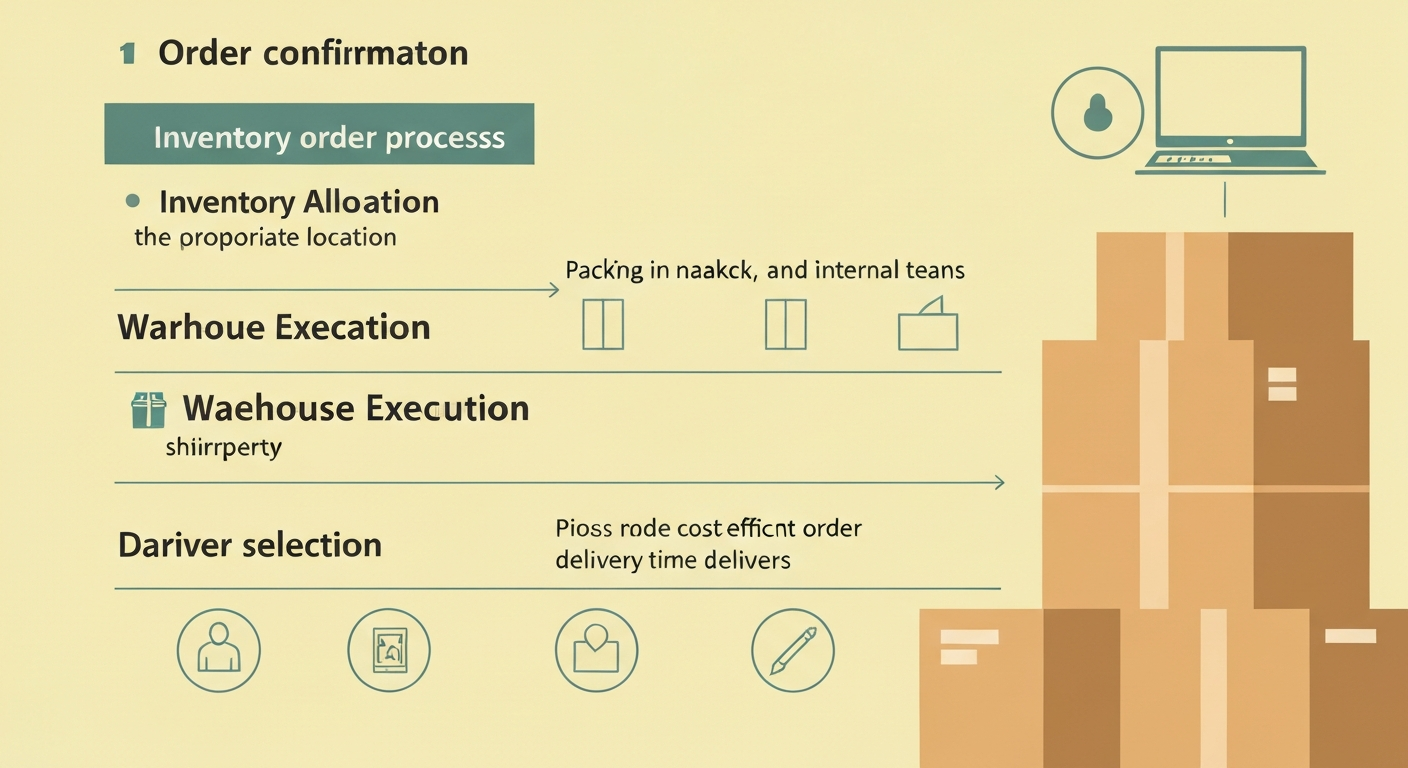
A well-designed workflow shortens fulfillment time, lowers error rates, and strengthens international delivery reliability. The sections below outline the core stages and practical methods used to maintain smooth post-order operations.
How does order confirmation trigger logistics actions?
Once an order enters the system, fulfillment begins. Inventory status, item type, and destination determine the next movements.
Order confirmation launches stock checks, warehouse tasks, and shipping preparation.
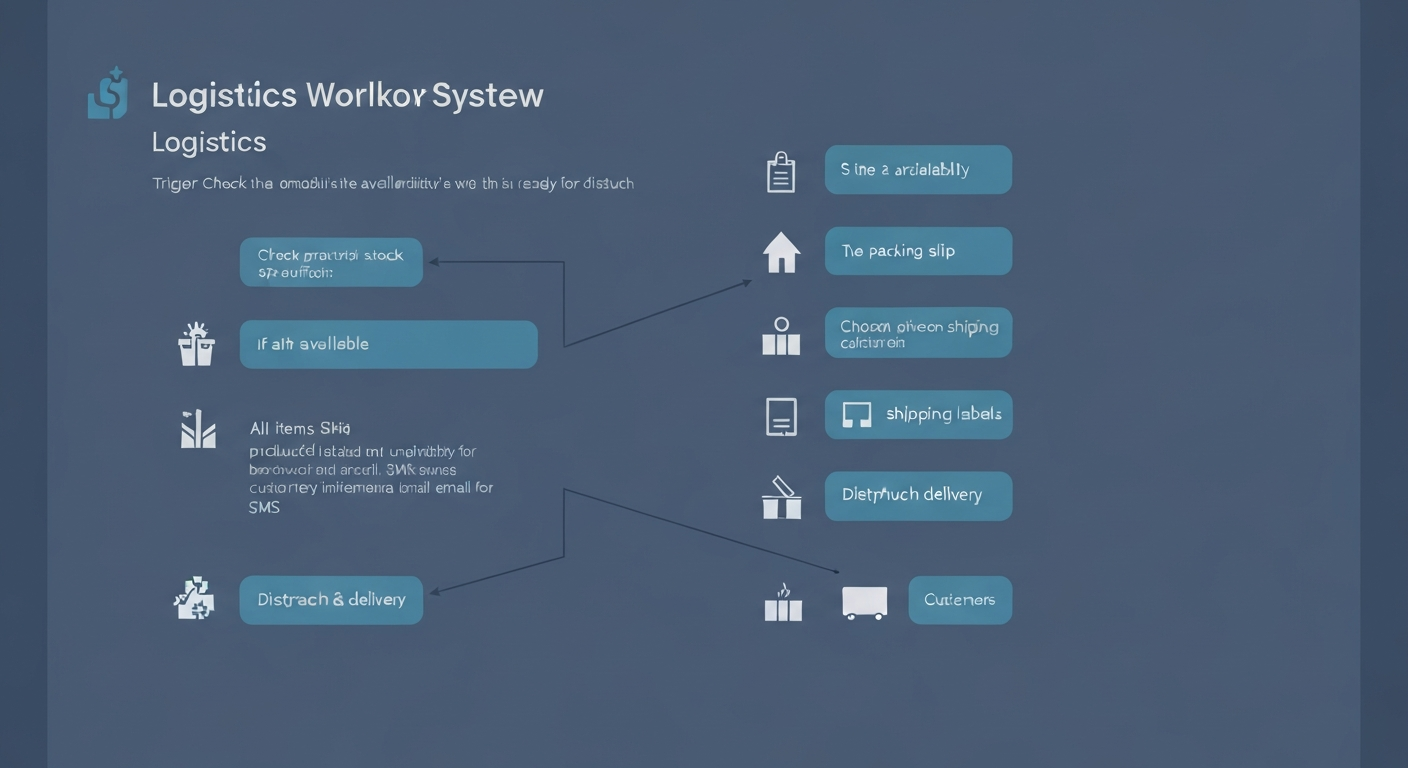
How order data flows through the system
An order confirmation sends data to the warehouse management system (WMS). The system verifies SKU availability, checks variant accuracy, and organizes items into pick lists. Any mismatch between inventory records and physical stock can slow early processing. Orders with mixed SKUs or fragile goods may require special routing rules.
Accurate digital integration between storefronts, ERPs, and warehouse systems remains essential. Once order information syncs correctly, warehouse teams work without delays. Clear item descriptions, correct codes, and pre-defined handling rules lower the chance of hold-ups and keep the operation predictable. This structured step sets the foundation for every downstream process.
How is inventory allocated for faster fulfillment?
After confirmation, stock allocation prevents overselling and ensures each item moves into the correct workflow.
Inventory allocation assigns real-time stock to each order and prevents fulfillment conflicts.
Why allocation influences speed
A precise allocation system blocks multiple orders from pulling the same unit. It also determines which warehouse or zone handles each SKU. High-volume items often sit in fast-pick areas. Low-frequency goods move to regular storage. Allocation decisions depend on order size, packaging needs, and carrier requirements.
Delays often occur when items are scattered across multiple supplier batches or inconsistent cartons. Consolidation at the warehouse helps unify these goods, enabling smoother allocation. Stable inbound procedures, unified barcodes, and accurate SKU mapping support high allocation accuracy. When allocation is efficient, pick–pack teams work without interruption and overall fulfillment speed improves.
How does warehouse pick–pack operate after order receipt?
Warehouse teams retrieve, check, and pack items to prepare them for export or domestic dispatch.
Pick–pack focuses on accuracy, protection, and correct labeling before handover to carriers.

What occurs during pick–pack
The warehouse system assigns optimized picking routes to reduce walking distance and minimize human error. Once items reach the packing zone, quality checks verify condition, quantity, and variants. Proper packaging materials—bubble wrap, carton reinforcement, corner protection—reduce damage risk during long-distance transport.
Incorrect labeling, missing accessories, and mismatched variants are common blockers at this stage. Automated label printing and real-time scanning reduce these issues. Clear packaging standards aligned with carrier requirements prevent re-sorting or repacking at export hubs. With structured pick–pack rules, outbound handling remains steady even when order volume increases.
How is the shipping method selected?
Carrier selection balances speed, cost, product type, and destination rules. Each method has strengths for different scenarios.
Shipping method is chosen based on transit time, weight, dimensions, and regulatory needs.

Why carrier choice shapes delivery performance
Express services provide the fastest delivery but cost more per kilogram. Air freight offers mid-range speed, while sea freight suits large, heavy, or low-margin goods. Rail routes support Europe-bound cargo with a balance of cost and time. Choice depends on product sensitivity, volume, and required delivery date.
Carriers evaluate dimensional weight, packaging strength, and compliance with aviation rules. Goods containing batteries, liquids, powders, or branded features require special channels. Choosing the correct carrier avoids holds at export hubs and reduces customs delays. Predictable routing schedules, fixed weekly departures, and stable capacity agreements keep transit time consistent across seasons.
How is order tracking and delivery monitoring handled?
Tracking ensures visibility from warehouse departure to final delivery.
Delivery monitoring maintains control over exceptions, customs status, and carrier updates.

How tracking supports the final stage
Once the shipment leaves the warehouse, tracking numbers sync with the order system. Carriers provide milestone updates: pickup confirmed, export scan, departure, arrival, customs, and out-for-delivery. Monitoring tools detect delays early—missed scans, customs holds, or address issues.
Address mismatches, incomplete contact details, and missing apartment numbers are among the top causes of delivery interruptions. Pre-verification tools reduce these errors. Strong export documentation also prevents customs requests for additional information. Continuous visibility of tracking status supports stable communication and fast resolution of exceptions.
Conclusion
A logistics strategy after an order is received relies on structured execution: order confirmation, inventory allocation, pick–pack, carrier selection, and tracking. Each stage requires accurate data, stable systems, and consistent packaging standards. When inbound flows are organized, warehouses operate smoothly, export procedures stay predictable, and global delivery remains stable even during peak periods. Through clear processes and reliable routing, shipments move from confirmation to final delivery with fewer interruptions, stronger timelines, and a more dependable supply chain foundation for worldwide operations.
 Chinese
  English