
Submitting a claim for a lost or damaged shipment requires proof of value, shipment details, and supporting evidence. Clear documentation helps carriers verify the issue and process compensation efficiently.

A structured approach avoids delays, ensures accurate review, and keeps the claim process predictable from start to finish.
What information is required before filing a claim?
Carriers need shipment details, proof of value, and evidence of loss or damage.
A claim must include tracking data, invoice, photos, and a clear description of the issue.
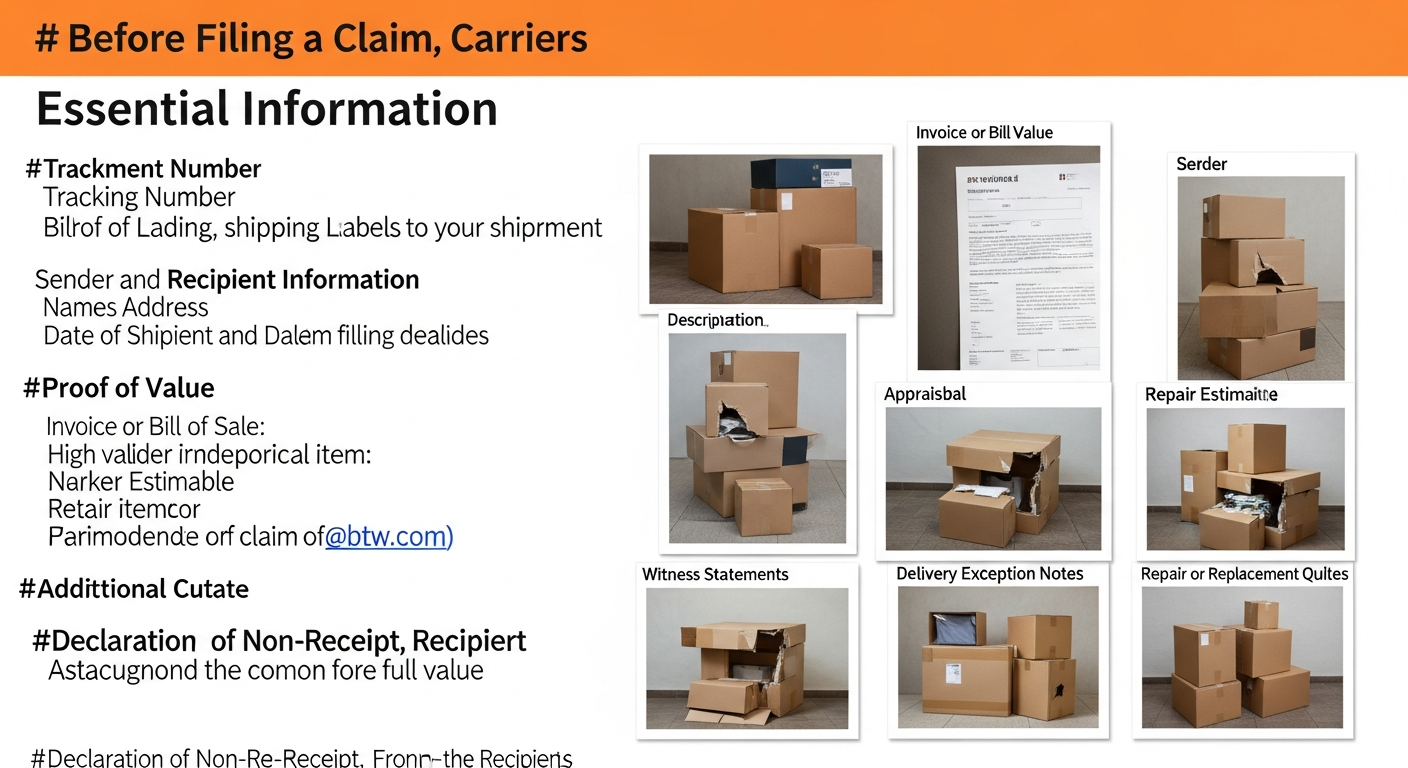
Why complete information matters
Carriers verify every claim using shipment scans, routing history, and documentation. Missing details slow the review process or result in rejection. Essential documents include the commercial invoice, tracking number, proof of payment, and any supporting evidence. When damage occurs, photos of both the outer carton and the product help confirm the incident.
Accurate data ensures faster investigation, clear liability assessment, and smoother communication with the carrier’s claims department.
How to document damage for a successful claim?
Evidence helps carriers confirm the cause and extent of the damage.
Claims for damaged goods require photos, packaging information, and a detailed description of the condition.
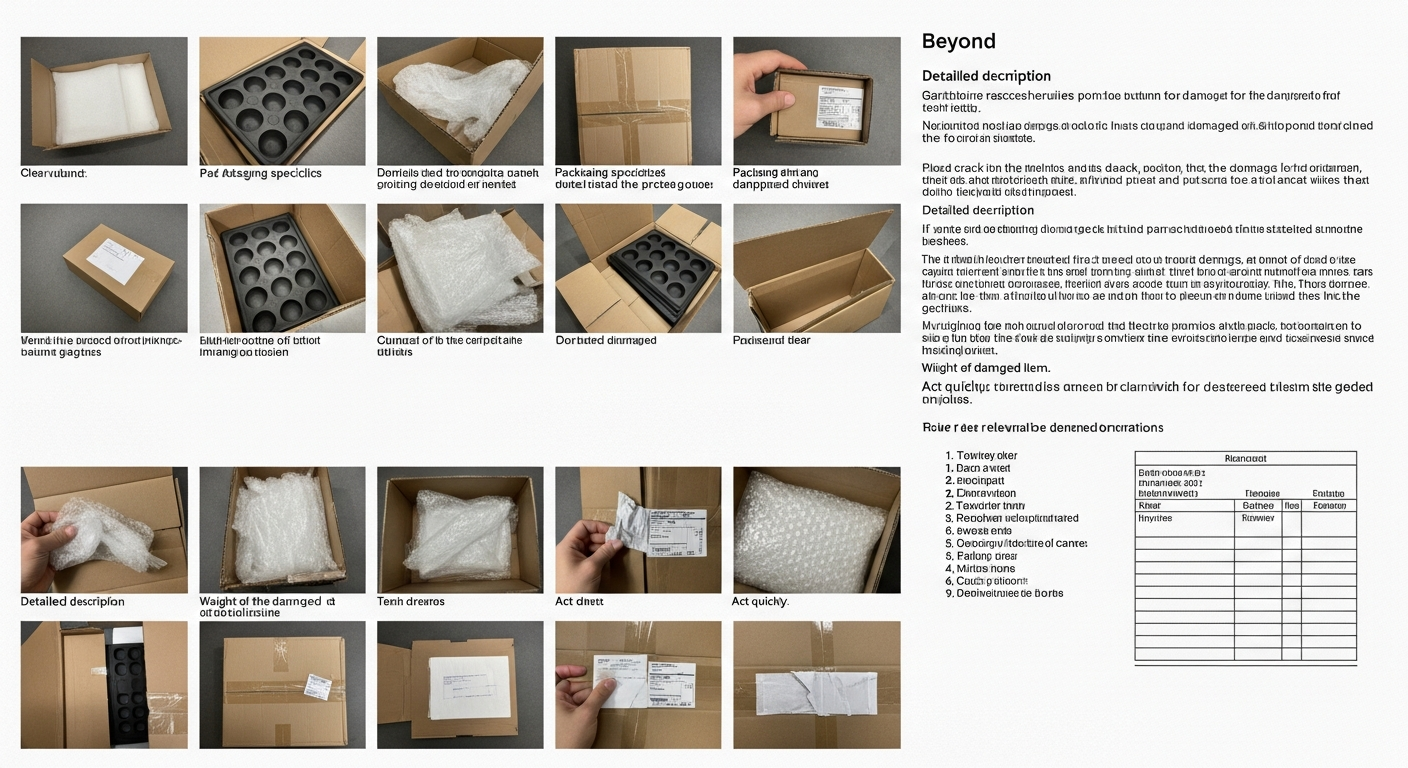
How proper evidence supports the claim
Clear photos should show the damaged item, the packaging, and any visible impact marks. Carriers also check whether packaging met required standards. Images of the internal cushioning, shipping label, and exterior condition provide full context.
Documenting damage immediately prevents disputes about timing. Strong visual proof and correct packaging details help carriers approve the claim faster, especially for fragile or sensitive items that experience higher inspection scrutiny.
How to file a claim with the carrier?
Claims can be submitted through the carrier’s online portal or customer service department.
Submitting the claim requires uploading documents, filling in shipment data, and providing evidence.
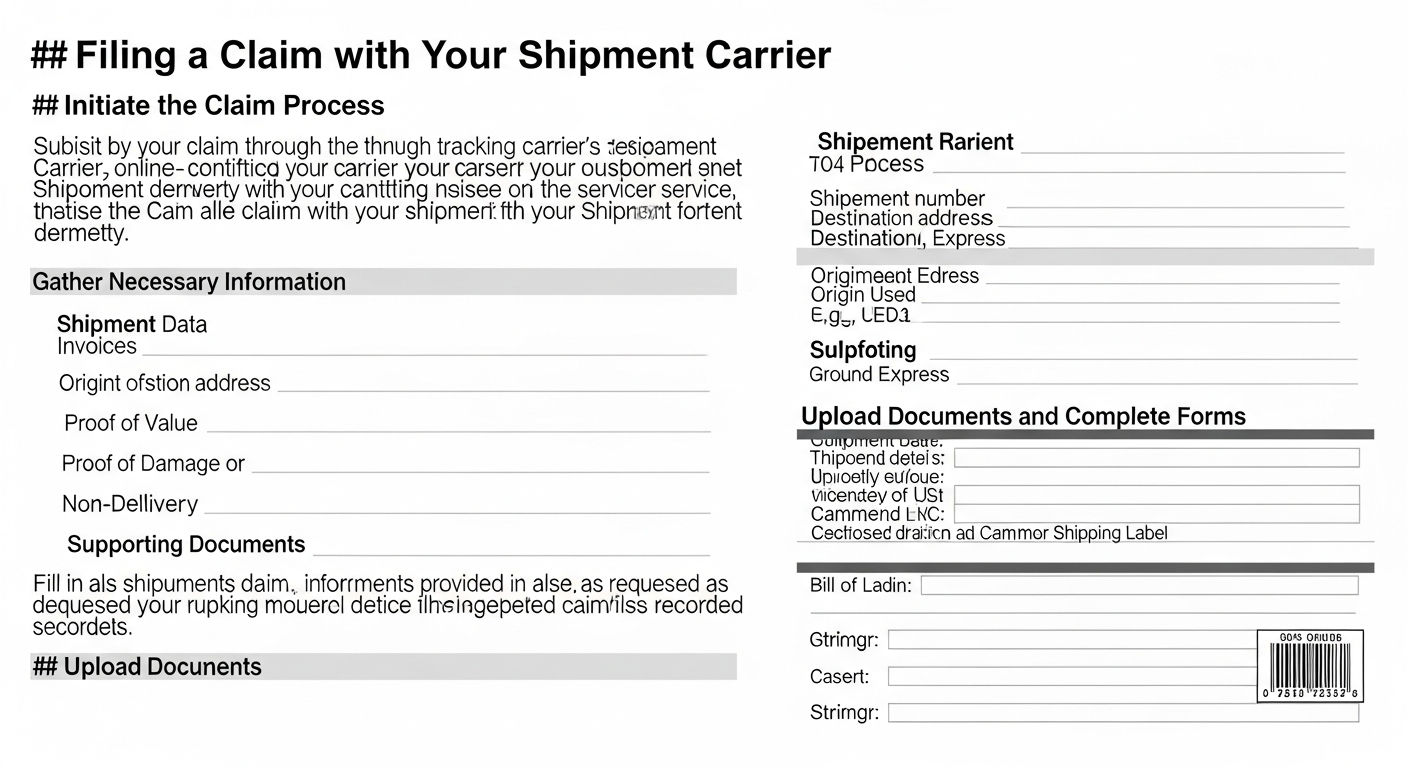
How the submission process works
Carriers normally request the following during submission:
- Tracking number
- Reason for claim (lost or damaged)
- Proof of value
- Item description
- Photos or supporting files
Some carriers require filing within a specific timeframe. Once the claim is submitted, the carrier’s team reviews tracking records, hub scans, and shipment routing. Clear and complete submission accelerates approval and reduces the need for additional communication.
How to check claim status and avoid delays?
Monitoring updates helps identify missing documents or required corrections.
Claim status updates show if the review is ongoing, approved, or requires extra information.
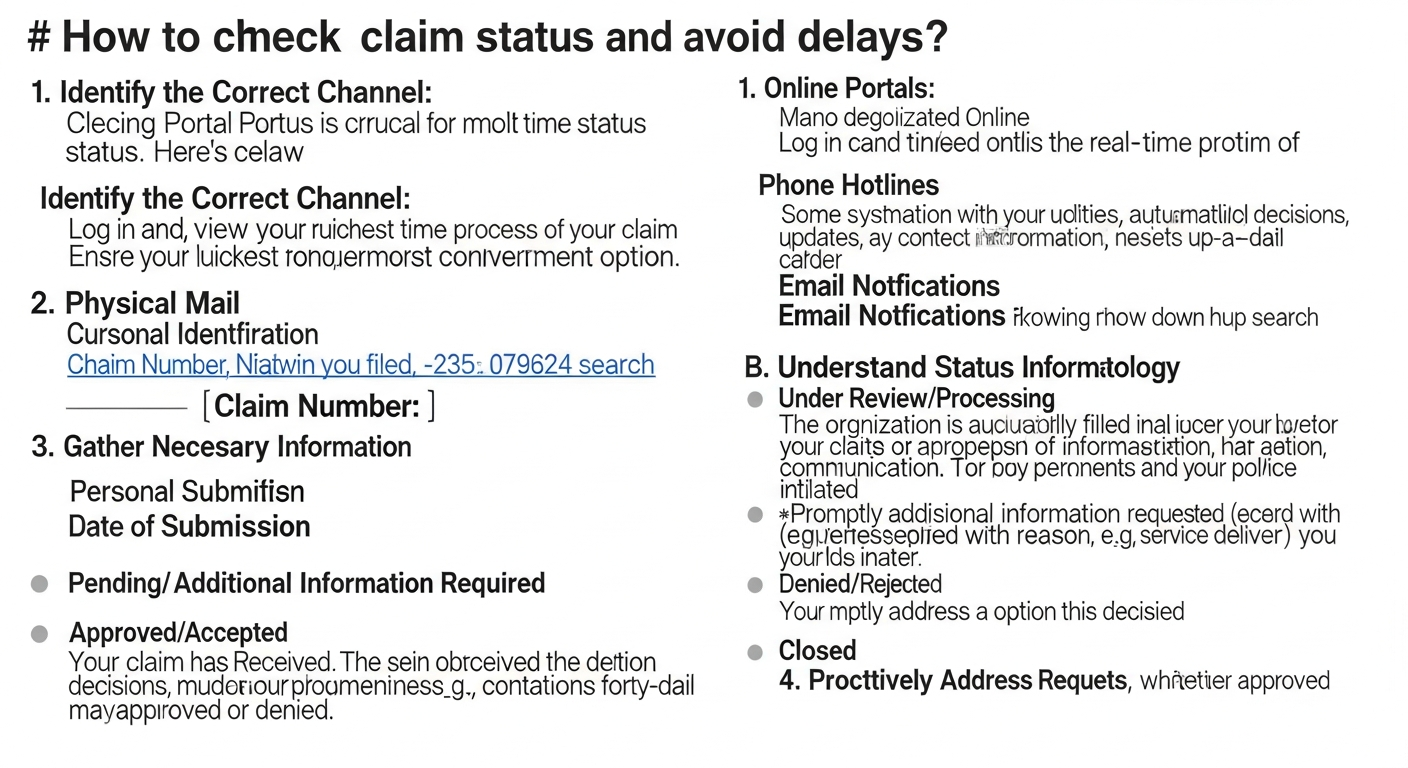
Why follow-up is important
Carriers may request supporting materials such as packing specifications, product manuals, or additional photos. Failure to respond quickly can extend the review timeline. Checking the claim portal ensures no updates are missed.
Regular status checks help maintain progress and prevent administrative delays. When documentation remains consistent and thorough, carriers can process the claim efficiently.
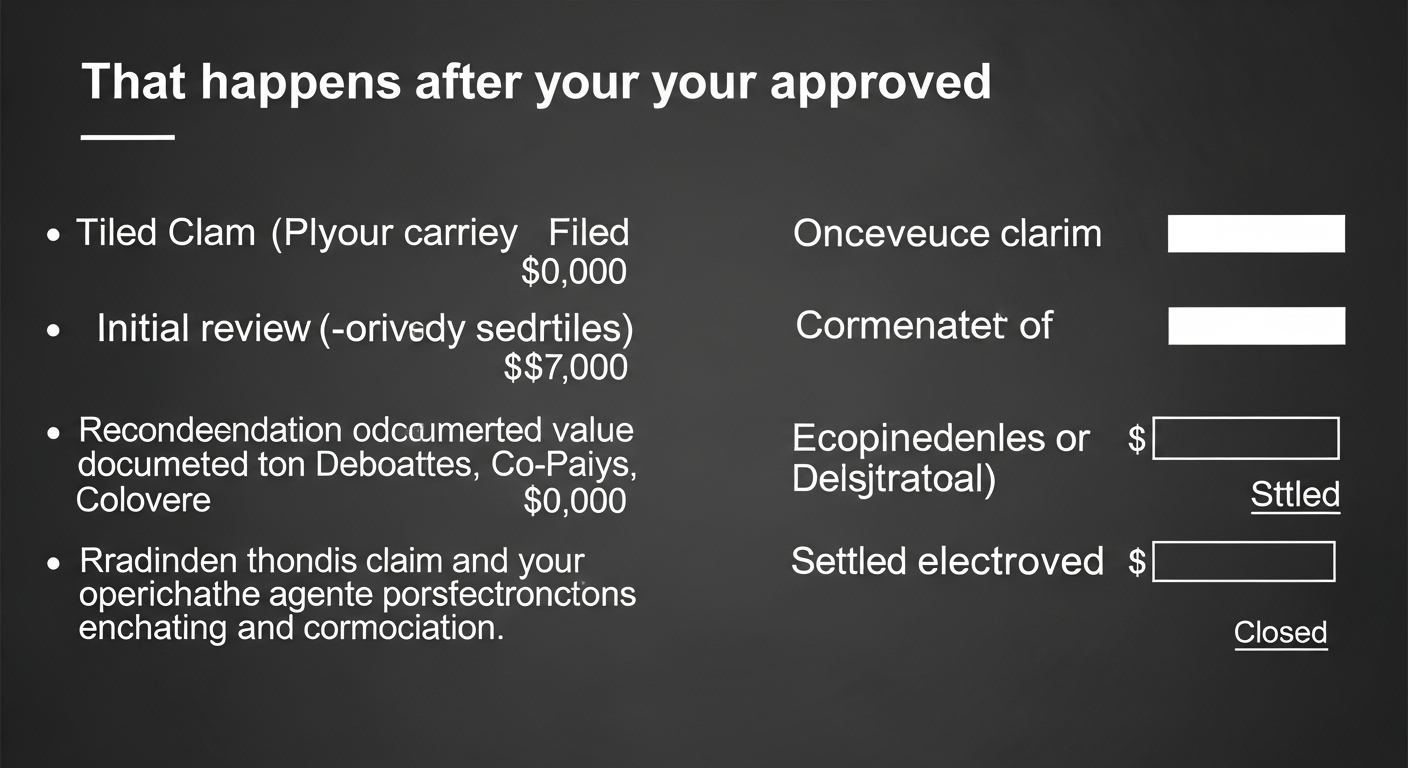
What happens after a claim is approved?
Approval leads to reimbursement based on the item’s declared value and carrier terms.
Once approved, the carrier issues compensation according to documented value and coverage.
How reimbursement is completed
Compensation is typically issued through bank transfer, refund to the original payment method, or credit depending on carrier policy. The reimbursement amount is based on the declared value, proof of purchase, and insurance coverage if purchased.
If the package is found after payment has already been made, carriers may request return of the reimbursement or arrange for the shipment to be delivered. A clear claims record helps maintain future eligibility for carrier protections and ensures smoother dispute resolution.
Conclusion
Submitting a claim for a lost or damaged shipment requires accurate information, proper documentation, and timely action. Essential elements include tracking data, proof of value, and detailed evidence of the issue. When documents match carrier requirements and follow-up remains consistent, claims are processed quickly and compensation is issued without disruption. This structured approach ensures predictable resolution and maintains confidence in the shipping process across all transport channels.
 Chinese
  English