
Filing a claim is often confusing because every carrier requires different documents and timelines.
To submit a claim, collect tracking details, proof of value, and photos, then file through the carrier’s claim portal and follow up until reimbursement is approved.
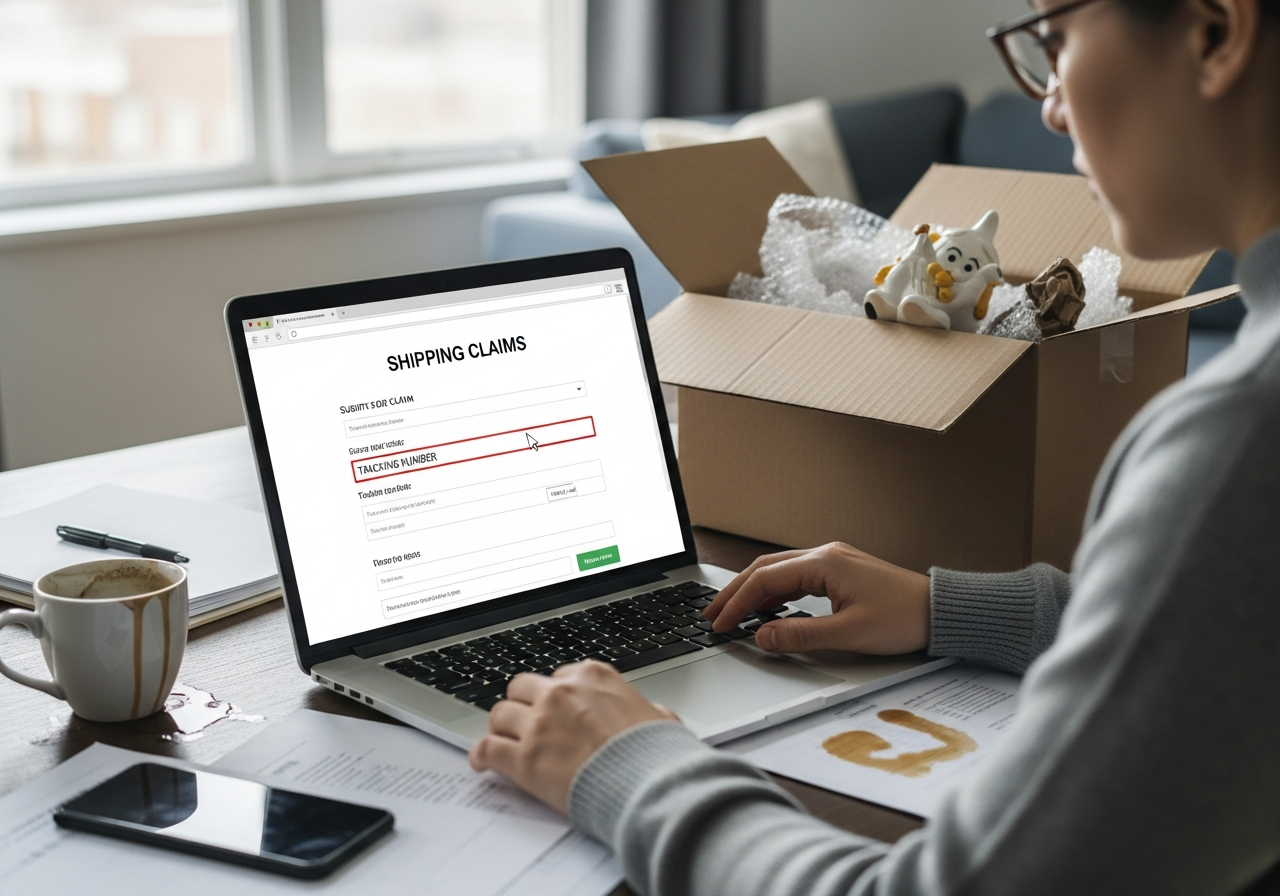
When I handled my first lost-shipment case years ago, the delay didn’t come from the carrier—it came from missing documents. Since then, I’ve built a clean, repeatable process for clients so claims get approved faster and without endless emails.
What should you do immediately after discovering a lost or damaged shipment?
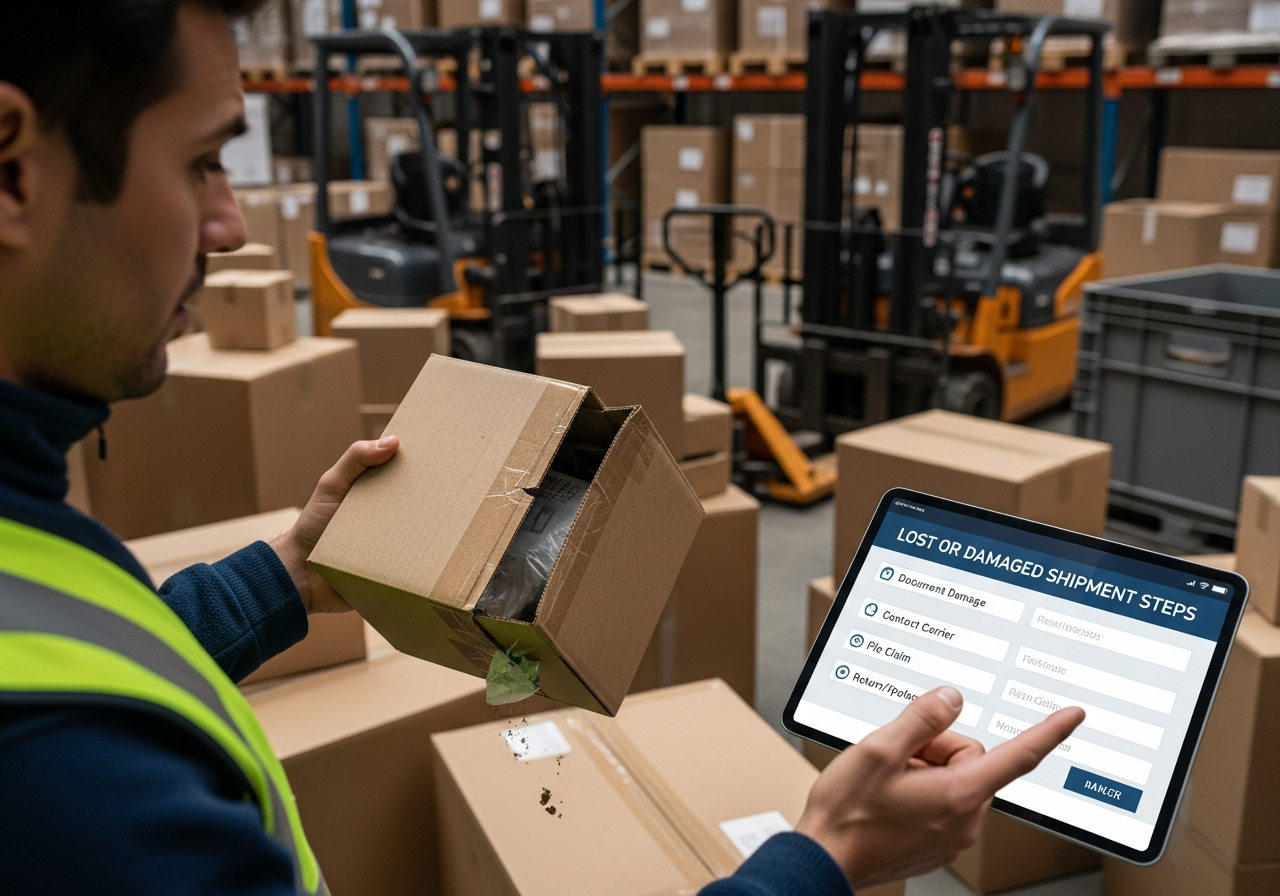
Most delays happen because shippers wait too long or don’t gather evidence early. I once had a customer wait 10 days before reporting damages; by then, the carrier had already closed the inspection window.
Act fast: document the issue, save packaging, gather tracking info, and notify the carrier before the claim deadline.
Understanding the first-response process
Confirm shipment status
Check the tracking history. Lost shipments usually show prolonged “In Transit” or “Label Created” statuses. Damaged shipments often show “Exception” or carrier notes.
Collect immediate evidence
For damage: take photos of the outer box, inner packaging, product condition, and shipping label. For loss: screenshot tracking and seller/carrier communication.
Notify all parties
Inform the carrier, your supplier, and your logistics provider. This stops disputes later. Many importers—especially those sourcing from multiple Chinese suppliers—overlook this step.
Keep all packaging materials
Carriers often require the original box for inspection. Without it, claims may be denied.
How we help buyers at this early stage
Our China warehouse collects supplier packaging photos, creates carton-data records, and stores documentation. When something goes wrong, we already have evidence on file. This prevents the “We need proof” loop that carriers often push back with. For U.S., EU, and Middle East shipments, we submit pre-claim alerts immediately to lock in your timeline.
How do you file a claim with major carriers?
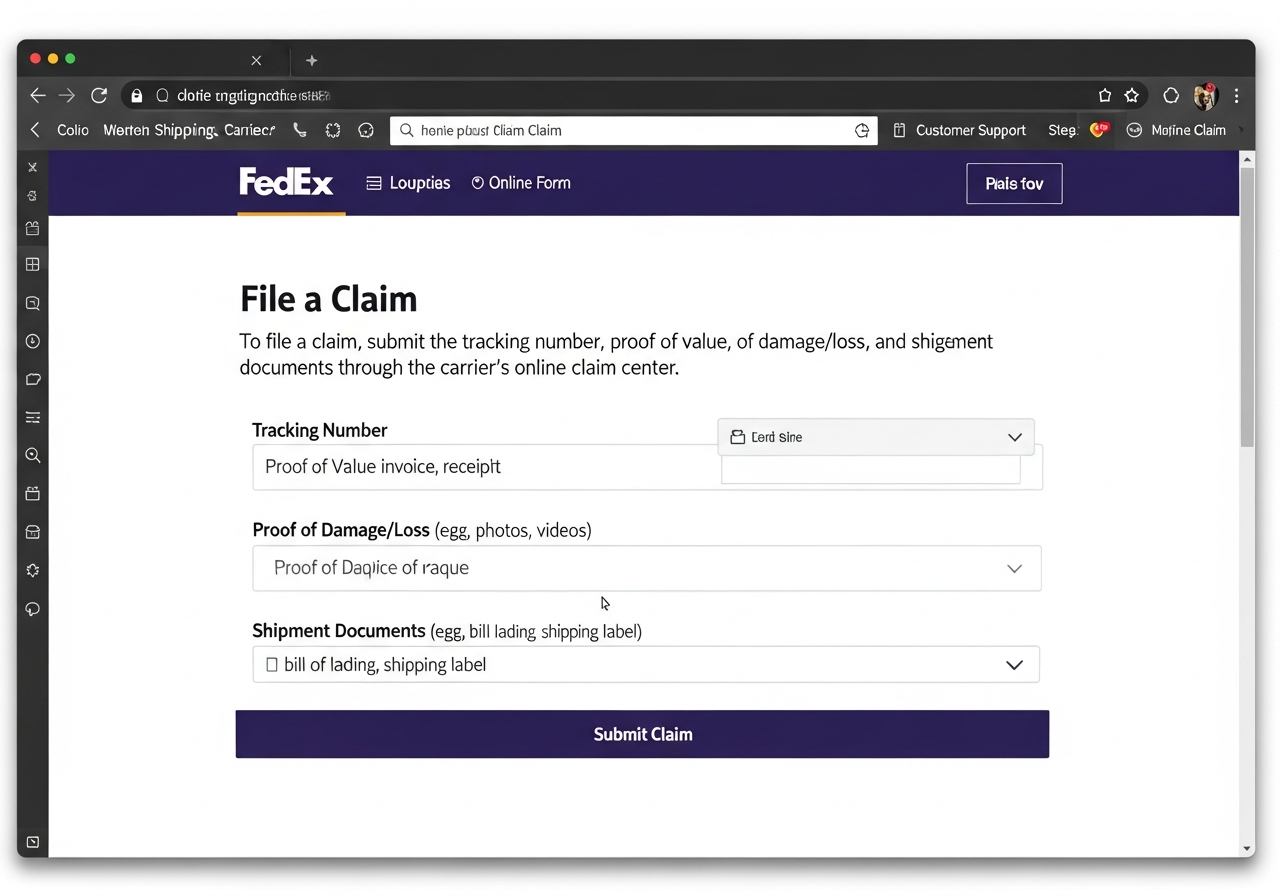
Carrier claim portals look simple, but missing one required field can reset your entire submission. I learned this when FedEx rejected a claim because the uploaded invoice didn’t match the declared value on export documents.
To file a claim, submit the tracking number, proof of value, proof of damage/loss, and shipment documents through the carrier’s online claim center.
What carriers require and how the process works
Required documents
- Commercial invoice (value proof)
- Photos or inspection report
- Tracking history
- Packing list
- Proof of insurance (if applicable)
Submission portals
- UPS Claims Portal – For lost, damaged, or COD issues
- FedEx Claims Portal – Photo and invoice uploads required
- USPS Domestic & International Claims – Often requires in-person inspection
- DHL Claims Center – Strict timelines for international shipments
Timelines
| Carrier | Report Damage | File Claim Deadline |
|---|---|---|
| UPS | Within 14 days | 60 days |
| FedEx | Immediately | 21–60 days depending on service |
| USPS | Within 30 days | 60 days |
| DHL Express | Within 7 days | 30 days |
How we streamline claim filing for importers
When we handle door-to-door shipping (DDP/DDU), our team prepares:
- standardized invoice templates
- carton measurements matching export documents
- tracking and scan extracts
- damage reports from our warehouse
This ensures all documentation aligns—critical for high-value shipments, electronics, or fragile items. Clients like Michael appreciate this because they hate long claim emails and unclear responses.
How long does reimbursement take—and how can you increase your approval chances?
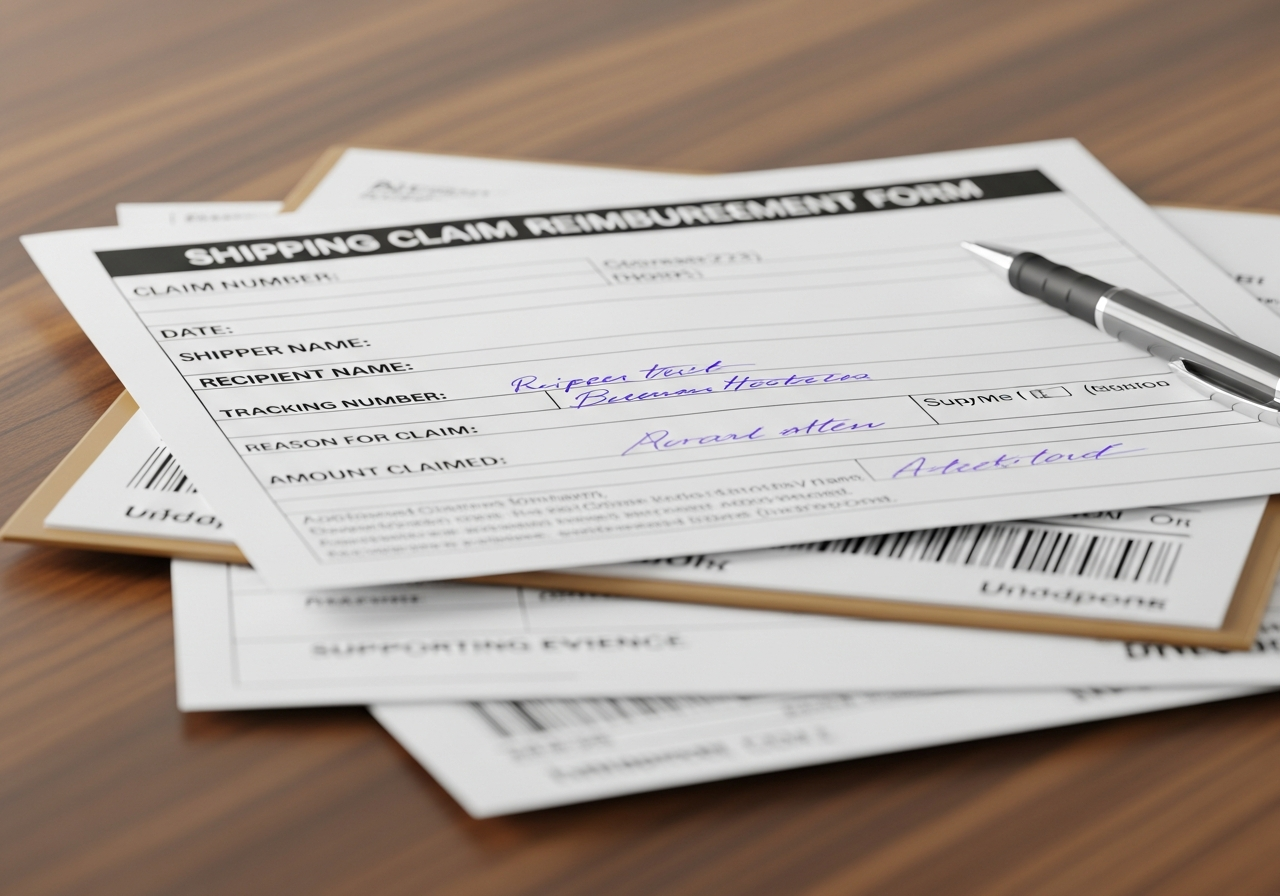
Most shippers think carriers delay claims on purpose. Often, the real slowdown comes from mismatched information. I’ve seen claims approved in three days and others take two months simply because the invoice value didn’t match the declared customs value.
Reimbursement usually takes 7–30 days. You increase approval odds by submitting clean documents, matching values, responding quickly, and keeping all packaging.
What determines claim approval
Consistency of documentation
Carriers compare:
- invoice value
- declared value
- shipping weight
- packaging type
- photos versus damage description
Any mismatch triggers an investigation.
Insurance coverage
Shipments insured by the carrier or a third party are paid faster. Uninsured parcels rely on limited liability, which is usually much lower than item value.
Response speed
Delays in replying to carrier questions often push claims into “closed by inactivity.”
How logistics partners improve approval rates
We support claims by:
- providing unified documentation from all suppliers
- verifying HS codes and values before export so they match your invoice
- storing packaging photos before handover
- offering evidence bundles for carriers (a structured PDF with all required data)
This reduces disputes and accelerates payouts. For DDP shipments to the U.S., EU, Australia, and UAE, we handle claims directly so importers never speak to the carrier.
Conclusion
Submitting a claim is simple when you act fast, gather evidence, and provide accurate documents. If you need help managing claims—or want a logistics partner who prevents these issues from the start—our team can handle consolidation, export, and end-to-end DDP shipping with full documentation support.

 Chinese
  English