
A shipment on hold with DHL usually means the package is temporarily stopped for inspection, documentation checks, or routing adjustments. Most cases are solved once missing information is supplied or compliance checks are completed. Quick action and complete documents help clear the package faster.
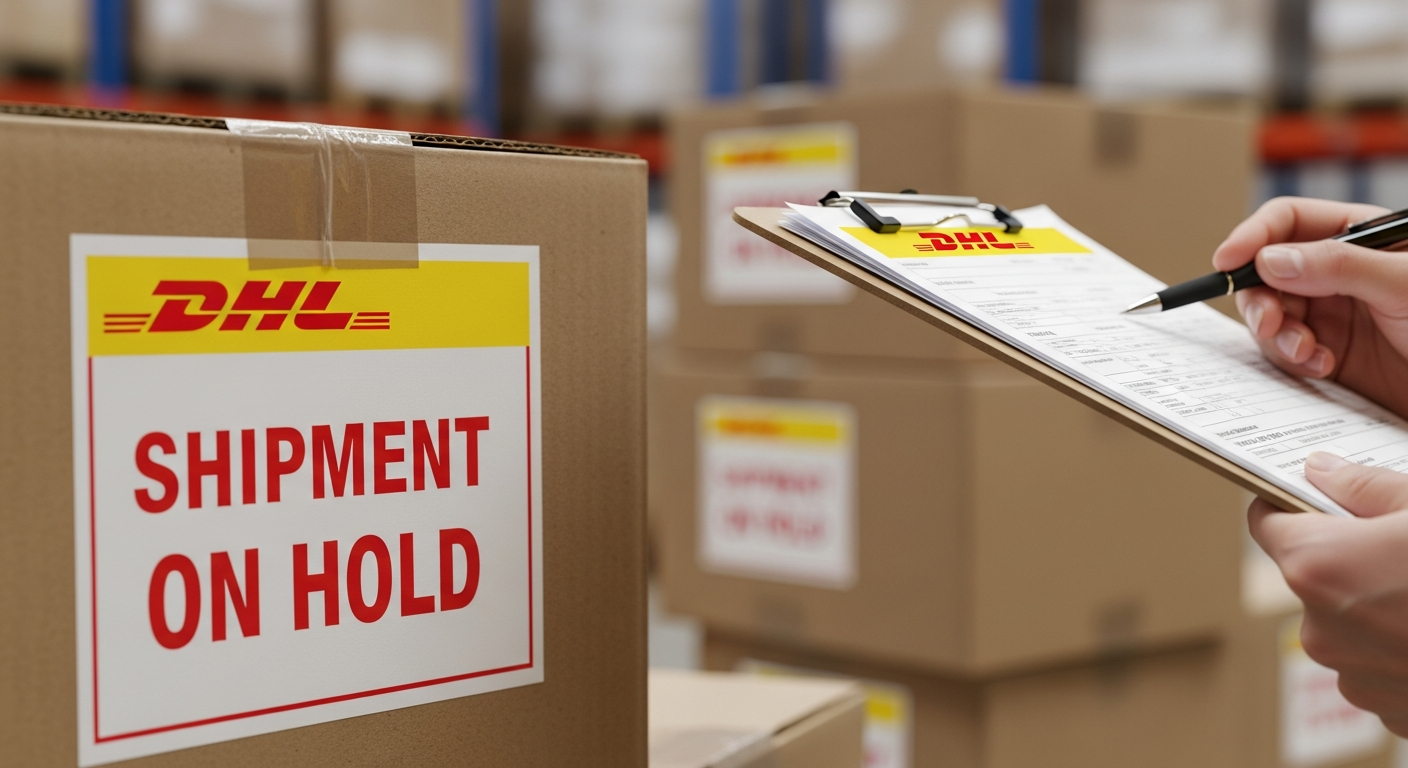
A shipment delay often disrupts sales timelines and supply plans. The following sections explain the main causes, how the process works, and what actions help keep cargo moving smoothly.
Customs documentation issues?
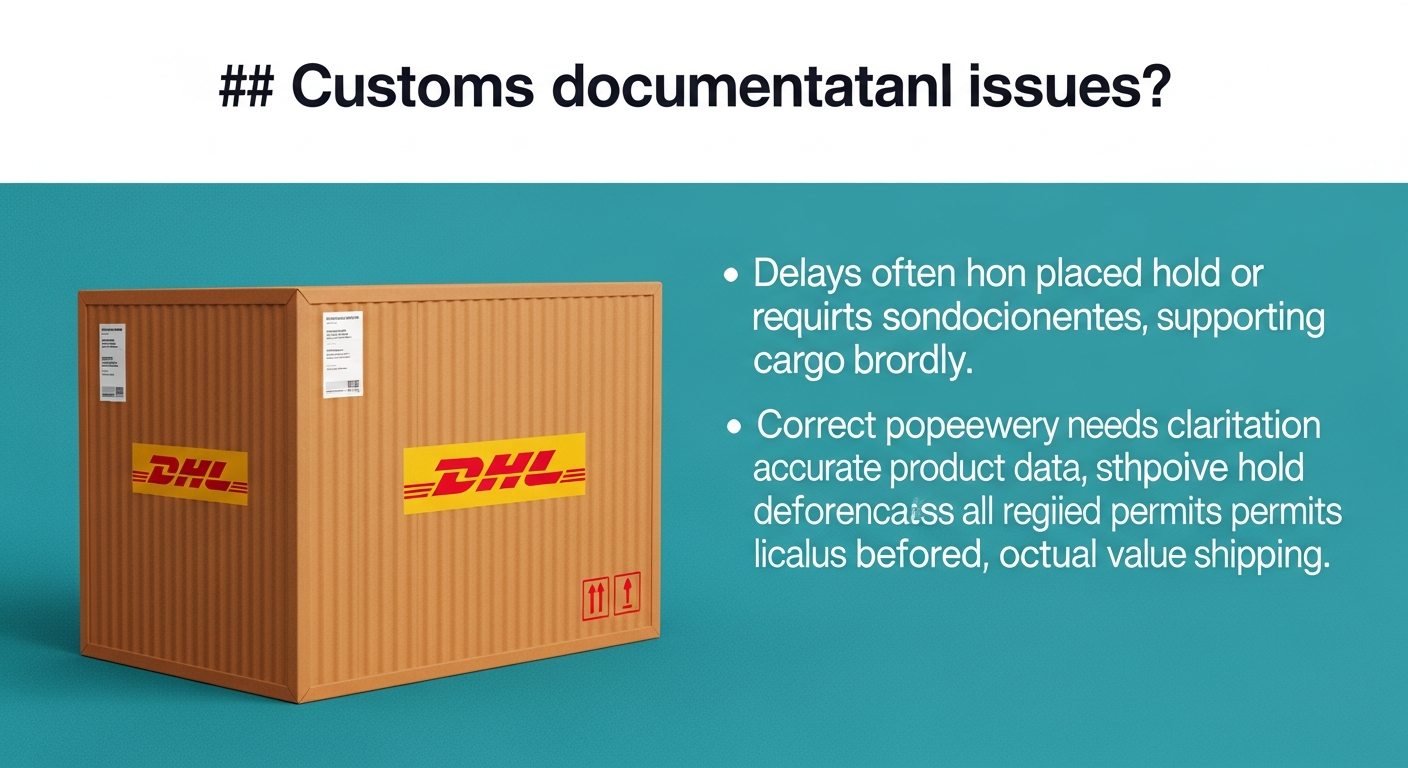
Delays often happen when customs requires additional papers or finds incorrect details. Missing certificates, invoice errors, or product misclassification can stop cargo at the border.
A shipment is placed on hold when customs needs clarification or supporting documents. Correct paperwork and accurate product data usually remove this hold quickly.
Understanding the customs process
Customs authorities review every shipment to confirm product value, classification, and compliance. This includes checking the commercial invoice, packing list, HS code, and any required certificates. If data does not match or appears incomplete, the system automatically flags the shipment. A hold is then applied to prevent further movement.
This process protects import laws and prevents under-valuation or restricted goods from entering the country. The hold stays in place until documents are corrected. Many importers experience this when multiple suppliers use different invoice formats or when product names are unclear. High-risk goods such as electronics, liquids, or branded products often receive extra inspection.
A logistics partner with strong export knowledge can help prevent these issues. Proper document checks, HS code verification, and pre-export review reduce the risk of a customs hold. Warehousing teams can also unify supplier paperwork, correct descriptions, and ensure values match contracts. This lowers the chance of inspection and keeps transit times predictable.
Shipment contains restricted or sensitive goods?
Items like batteries, liquids, powders, branded items, and medical devices often require compliance checks. These categories are more likely to be stopped for special screening.
Sensitive goods trigger holds when DHL or customs requires verification. Correct labeling, MSDS files, and compliance documents help clear the hold.

Why sensitive cargo triggers holds
Airlines and customs agencies use strict rules for dangerous or special-care goods. Lithium batteries need UN38.3 reports, liquids require MSDS documents, and branded products may require authorization letters. Without these, DHL cannot move the shipment forward.
Screening uses X-ray checks, content verification, and regulatory review. When information is unclear, the package is marked “Shipment on Hold.” The goal is to avoid safety risks and regulatory violations.
A logistics provider with access to certified sensitive-cargo channels can reduce these delays. Dedicated handling routes for batteries, liquids, and high-value products ensure that documents are complete before goods reach the carrier. Pre-screening in China also helps avoid a hold at the destination. For importers with mixed cargo, consolidation services allow all items to be packed correctly and escorted through compliant channels.
Address or consignee information problems?
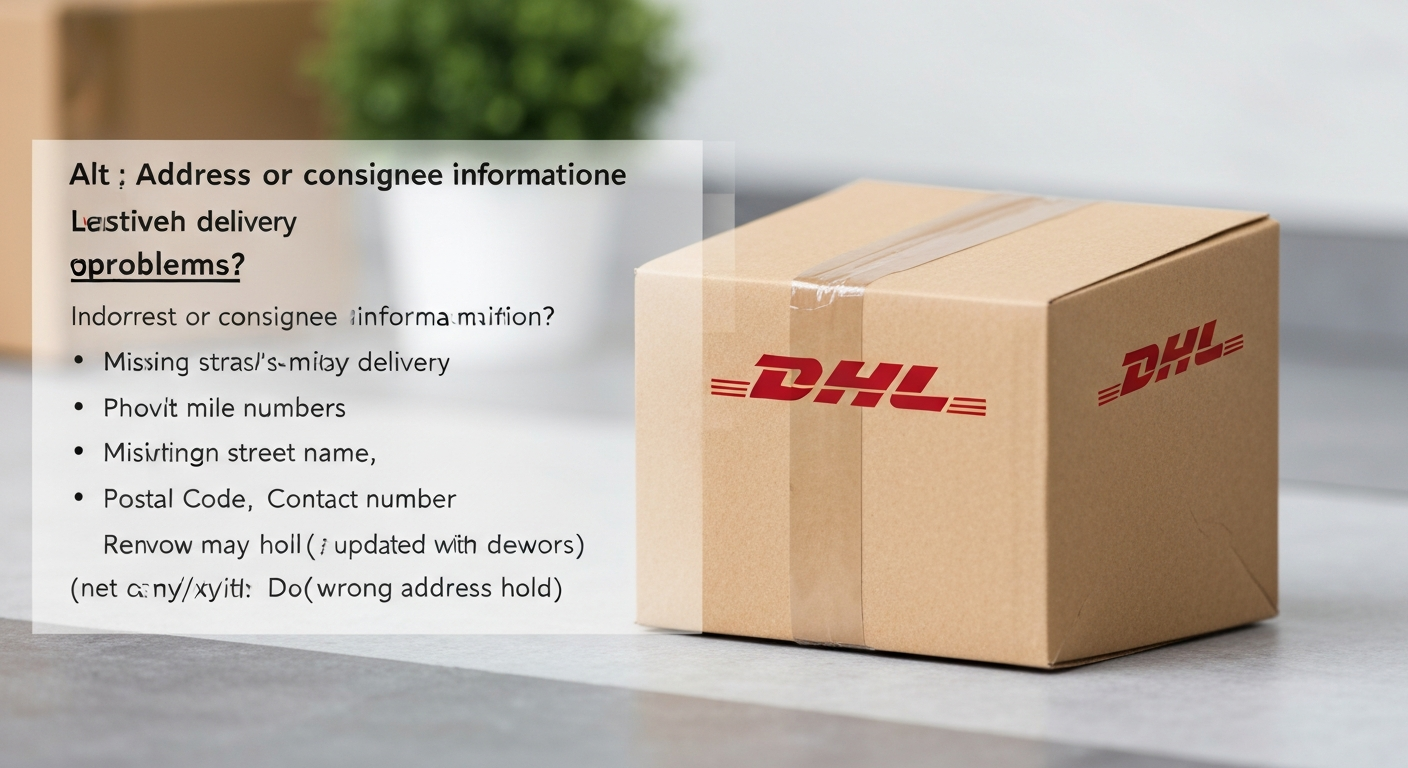
Incorrect addresses, missing phone numbers, or mismatched company details can stop last-mile delivery. DHL may hold the shipment until updated information is provided.
A shipment is placed on hold when the delivery address cannot be verified. Providing the correct street name, postal code, and contact number removes the hold.
How address verification affects delivery
DHL uses automated sorting systems and regional address databases. If the system cannot match the address, the shipment is removed from the delivery cycle. This prevents failed delivery attempts and prevents packages from being routed incorrectly.
International shipments require full consignee data, including tax ID in certain countries. Missing information causes instant holds. Many importers face this problem when multiple warehouses or Amazon FBA centers are involved. Incorrect postal codes or building numbers are common issues.
A logistics hub in China can provide address verification before dispatch. FBA labels, warehouse IDs, and delivery notes can be checked and corrected before goods enter the DHL network. This avoids hold status and ensures cargo enters the correct domestic route.
Security or compliance inspection?
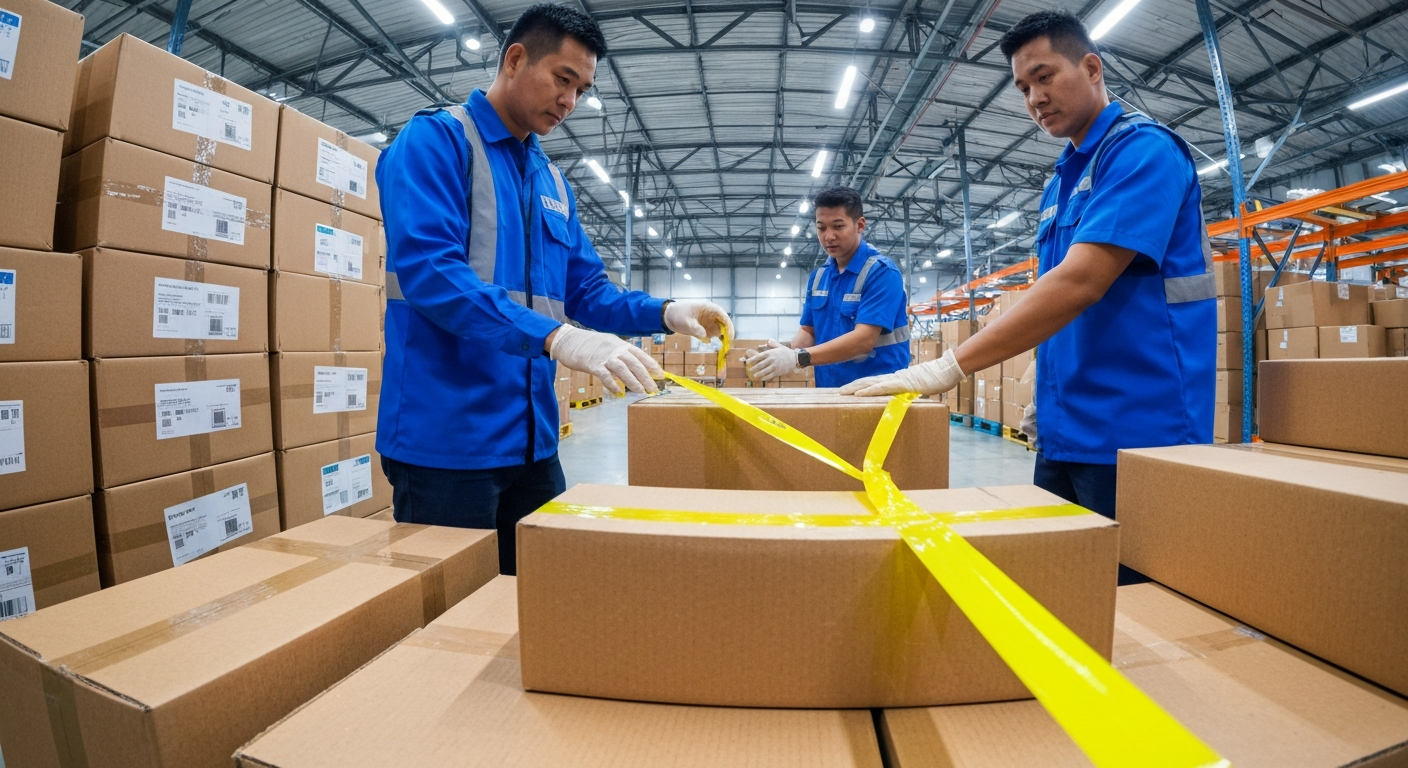
Random security screening is common for air express shipments. Packages may be held for X-ray, repacking, or additional checks.
A compliance inspection hold occurs when DHL or airport security selects the package for screening. Clearance is automatic once the inspection finishes.
Why inspections happen
Air cargo must comply with aviation safety and international transport regulations. Security teams inspect weight, packaging strength, and labels. If items appear unclear under scanning, staff may open the package for verification.
High shipping seasons increase inspections because more packages enter the network. Large cartons, electronics, or irregular shapes often trigger more attention. Inspection time varies by airport workload.
A logistics facility that performs pre-screening can reduce these surprise holds. By using certified export channels, sealed packaging, and clear labeling, the chances of airport re-inspection drop. Stable handling routes and trained staff also lower the risk of misidentification during X-ray checks.
Unpaid duties, taxes, or outstanding fees?
When import duties are not prepaid or the declared value conflicts with customs estimates, DHL pauses the shipment until charges are settled.
A shipment goes on hold when duties or handling fees remain unpaid. Once fees are approved or paid, DHL releases the package for delivery.
How tax and duty holds occur
Some destinations require duties to be paid before delivery. DHL notifies the consignee when charges apply. If payment is delayed, the package stays on hold. Value discrepancies also create problems; customs may recalculate duties, stopping the shipment while adjustments are made.
Importers using multiple suppliers often face inconsistent declared values. This increases customs scrutiny and may result in unexpected duties.
Consolidated export services help solve this problem. When all cargo is processed through one warehouse, values, documents, and codes remain consistent. Pre-calculated duty estimates also help avoid surprise charges. In markets like the Middle East, Africa, and Latin America, experienced clearance agents ensure smooth handling of DDP/DDU shipments, reducing hold time significantly.
Conclusion
A DHL “Shipment on Hold” status often stems from documentation gaps, sensitive goods, address issues, inspections, or unpaid duties. Most cases clear quickly once accurate details reach DHL or customs. Reliable logistics support, proper export preparation, and consistent paperwork greatly reduce these interruptions. When shipments move through a stable network with strong customs coordination, transit times remain steady, and business operations continue without disruption. This keeps supply chains reliable, even during peak seasons or complex shipping cycles, and ensures every shipment moves from factory to final destination with steady progress.
 Chinese
  English