
Demurrage and detention are penalty fees charged when containers stay too long at the port or outside the terminal.
Demurrage applies when containers remain inside the port beyond free time, while detention applies when containers are kept outside the port longer than allowed.

Understanding these fees helps importers avoid unexpected costs, plan drayage efficiently, and maintain smooth container flow during international shipments.
What is demurrage?
Port delays, late pickups, or customs issues often cause containers to sit in terminals longer than planned.
Demurrage is the fee charged when containers stay inside the port past the free-time period.
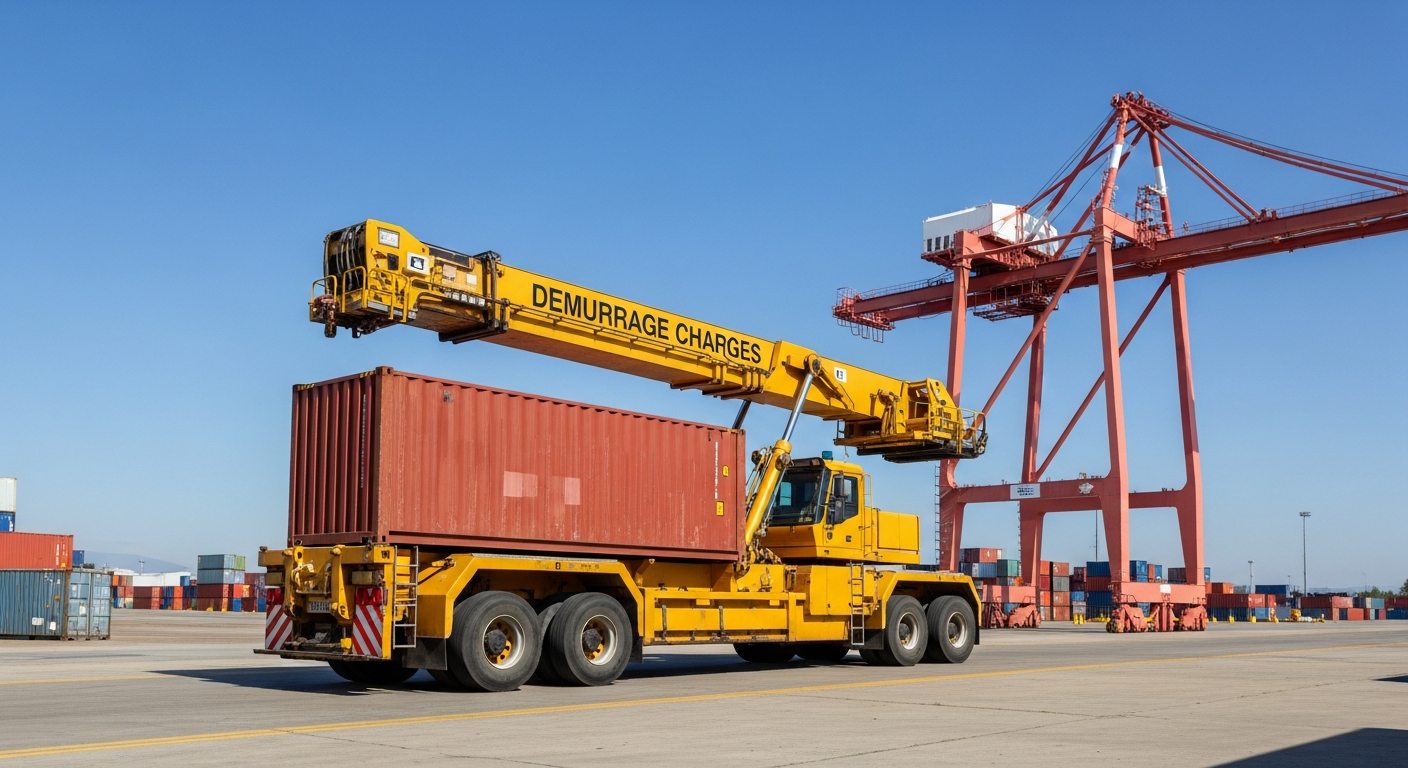
How Demurrage Works and Why It Matters
Demurrage begins once the port discharges a container and makes it available for pickup. Each terminal gives a limited number of free days—typically 3–7 days depending on the port, carrier, and season. After that period, daily charges start accumulating. These charges compensate terminals for storage space and congestion management.
Common triggers for demurrage include customs inspections, missing paperwork, incorrect HS codes, late arrival notices, and trucking delays caused by congestion or lack of appointments. Some ports—like Los Angeles, Long Beach, Dubai, and Rotterdam—have higher demurrage risks during peak seasons due to vessel bunching.
Strong document preparation before vessel arrival prevents clearance delays. Accurate invoices, packing lists, and product descriptions allow customs to process entries quickly. Coordinated drayage planning ensures trucks pick up containers within free time. When freight teams monitor port status in real time, buyers receive early alerts to avoid unnecessary penalties.
What is detention?
Containers held outside the port also incur penalty fees if not returned on time.
Detention is the fee charged when containers or chassis are kept beyond the allowed free days after port pickup.
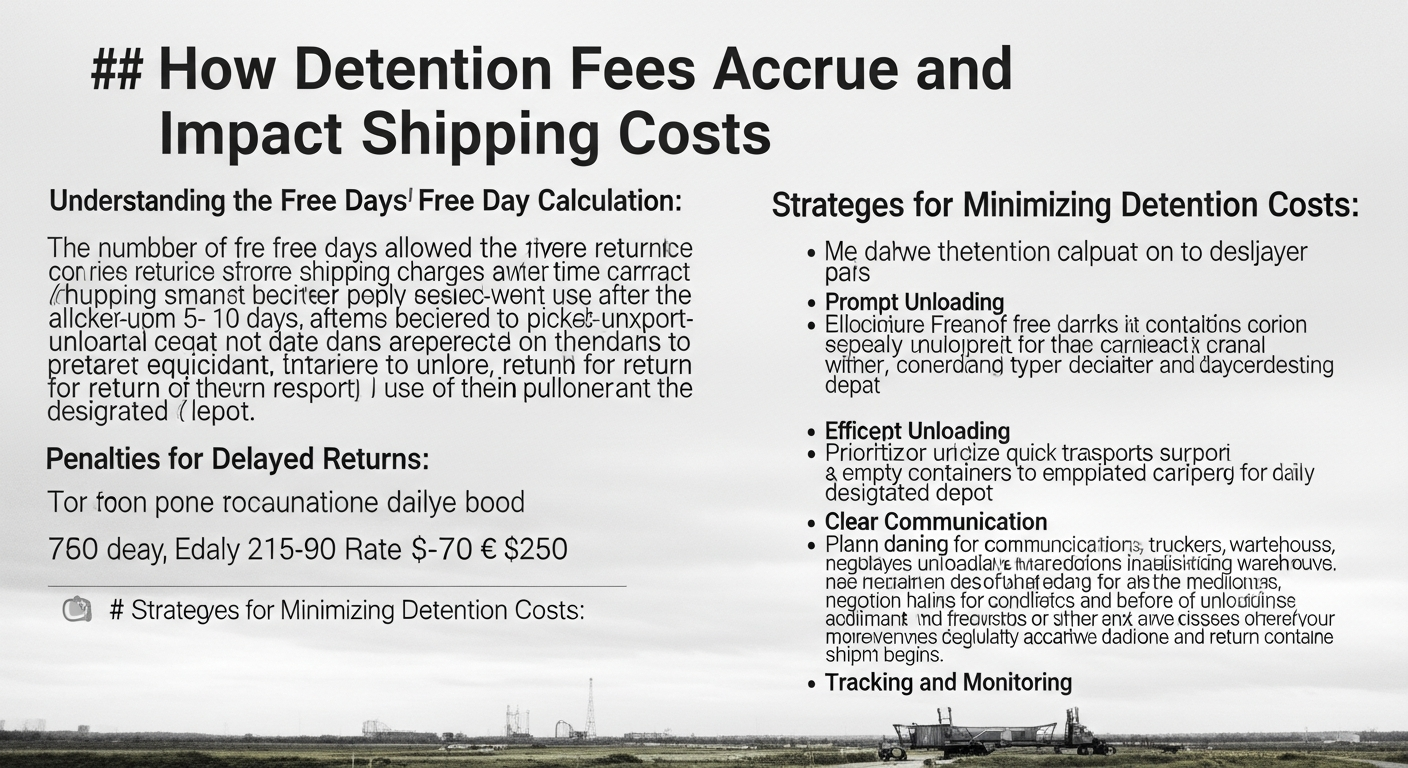
Container Use, Return Rules, and Cost Control
Detention covers the period when a buyer (or warehouse) has possession of the container. Carriers allow several free days—often 5–10—to unload goods and return the empty container to a designated depot. If the container is not returned in time, detention fees begin.
Delays often happen when warehouses lack unloading staff, require pallet rebuilding, or face inbound bottlenecks. Peak seasons also create chassis shortages, preventing timely container returns. Each extra day adds cost, especially on popular routes to the United States, Australia, the Middle East, and Europe.
Efficient warehouse coordination prevents detention. Pre-booked unloading teams, scheduled labor, and photo-based receiving reports accelerate container turnaround. Logistics providers track free-time windows and send reminders, ensuring timely returns even during busy periods.
What are the key differences between demurrage and detention?
Many importers confuse these two fees, but each applies at a different stage.
Demurrage applies inside the port; detention applies outside the port after pickup.
Location, Time Window, and Responsibility
| Fee Type | Where It Applies | Trigger Event | Responsibility | Typical Free Time |
|---|---|---|---|---|
| Demurrage | Inside port terminal | Late pickup, customs delay | Buyer | 3–7 days |
| Detention | Outside the port | Late return of empty container | Buyer | 5–10 days |
These fees influence planning for drayage, customs clearance, and warehouse operations. Reducing touchpoints and improving timing reduces overall penalty risk. Forwarders help coordinate release procedures and secure appointments to keep the supply chain flowing smoothly.
What causes demurrage and detention for buyers?
Operations involving multiple suppliers, complex documents, or peak-season shipping can increase exposure.
Common causes include customs holds, port congestion, late drayage appointments, and incomplete paperwork.
Delays, Documentation Problems, and Port Conditions
Customs inspections often stall container release. Incorrect HS codes, inconsistent invoice descriptions, or missing certificates trigger holds. Port congestion limits available trucking slots, especially in U.S. West Coast ports. Weather events and vessel bunching also create backlogs.
Warehouse delays—limited labor, short receiving hours, or lack of equipment—lead to slow unloading and late container returns. Buyers handling multiple container arrivals on the same day frequently face operational overload.
A coordinated logistics team mitigates these risks. Aligning documents across suppliers, preparing customs entries early, and scheduling drayage in advance protects buyers from last-minute disruptions. Dedicated customer support provides real-time updates and alerts when carrier schedules shift.
How can buyers avoid demurrage and detention?
Proactive planning is essential to prevent expensive penalties.
Avoiding demurrage and detention requires early document readiness, pre-booked trucking, and clear warehouse coordination.
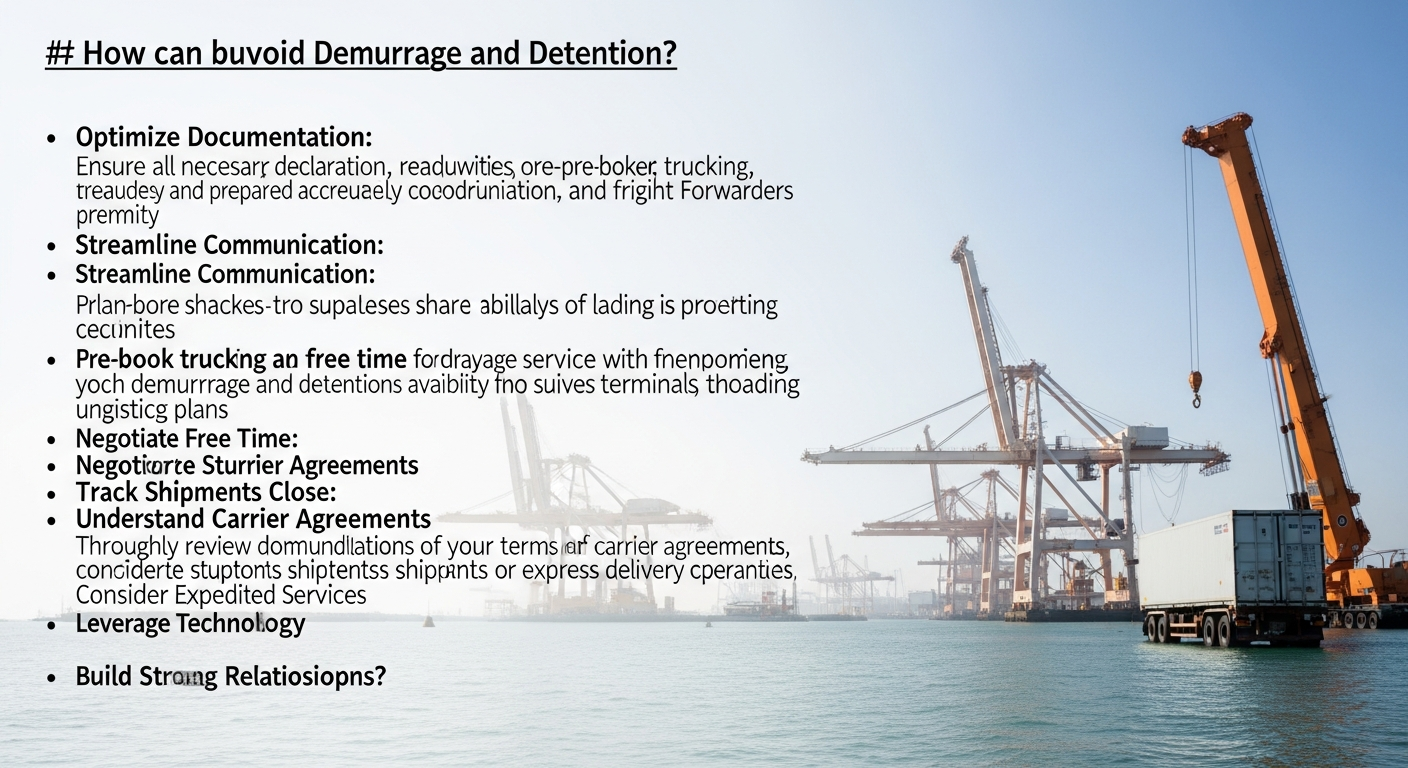
Preparation, Tracking, and Timely Execution
Key strategies include:
- Submitting customs documents before vessel arrival
- Verifying invoice, packing list, and HS codes to prevent holds
- Preparing payment for duties in advance
- Booking drayage appointments early, especially during peak seasons
- Ensuring warehouses are ready to unload immediately
- Tracking free-time windows and container availability
- Monitoring port congestion and vessel delays
- Using a logistics provider with strong carrier and terminal relationships
Well-organized operations reduce risk dramatically. Consolidation teams in China manage supplier documents, label checks, and compliance preparation, ensuring accurate data flows to customs and carriers. This reduces the chance of holds and accelerates pickup and return timelines.
Are demurrage and detention the same across all ports?
Fees vary widely depending on region, terminal, and carrier.
Demurrage and detention policies differ by port, making it essential to verify rules for each shipment.
Regional Differences, Seasonal Impact, and Carrier Policies
Some ports offer longer free time for importers, while others provide only a few days. Carriers may apply different free-time limits based on contract type, route, and shipping season. During peak months like August–October, free time often shortens because terminals need faster turnover.
Importers shipping to the Middle East, Europe, or North America face varying daily penalty rates. A logistics partner familiar with each region helps buyers estimate potential charges and plan pickups strategically.
Customs regulations also impact timing. Strict markets—like the U.S. and EU—may require additional checks or certifications for sensitive goods such as batteries, liquids, powders, or branded products.
Conclusion
Demurrage and detention play a major role in total landed cost and supply-chain efficiency. Demurrage charges arise when containers sit too long inside ports, while detention occurs when empty containers are returned late. By preparing documents early, booking drayage in advance, and coordinating tightly with warehouses, buyers avoid unnecessary fees and maintain smooth, predictable cargo flow. Strong logistics support ensures every container moves quickly from terminal to delivery, protecting both budget and operational stability.
 English
  Chinese