
EXW is an Incoterm that places nearly all shipping responsibility on the buyer.
Under EXW, goods are made available at the seller’s premises, and the buyer handles pickup, export procedures, and international transport.
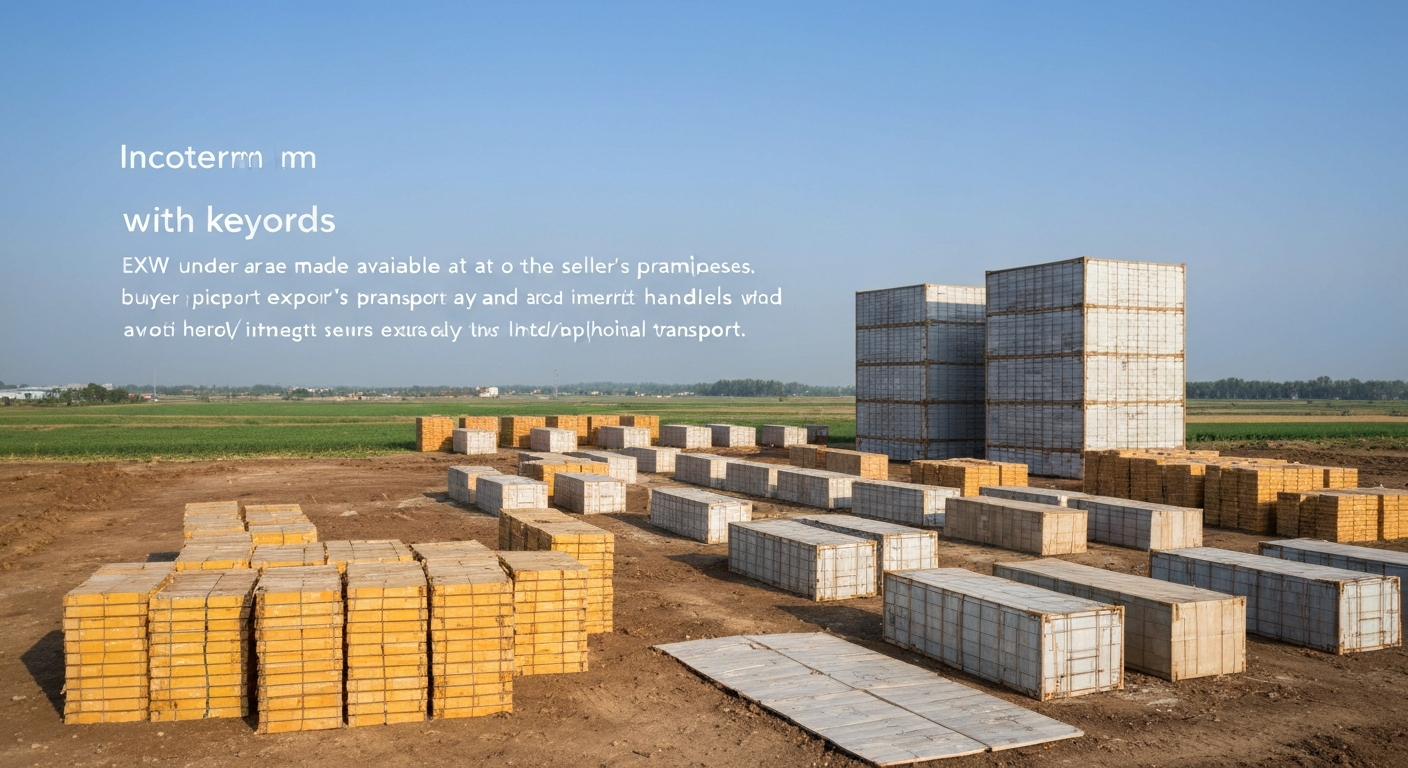
Understanding EXW helps importers plan pickups, manage export paperwork, and avoid operational surprises when dealing with factories in China or other sourcing regions.
What exactly does EXW include and exclude?
Many importers misunderstand which party handles which task when using EXW.
EXW means the seller makes goods available at their location; the buyer handles everything else.
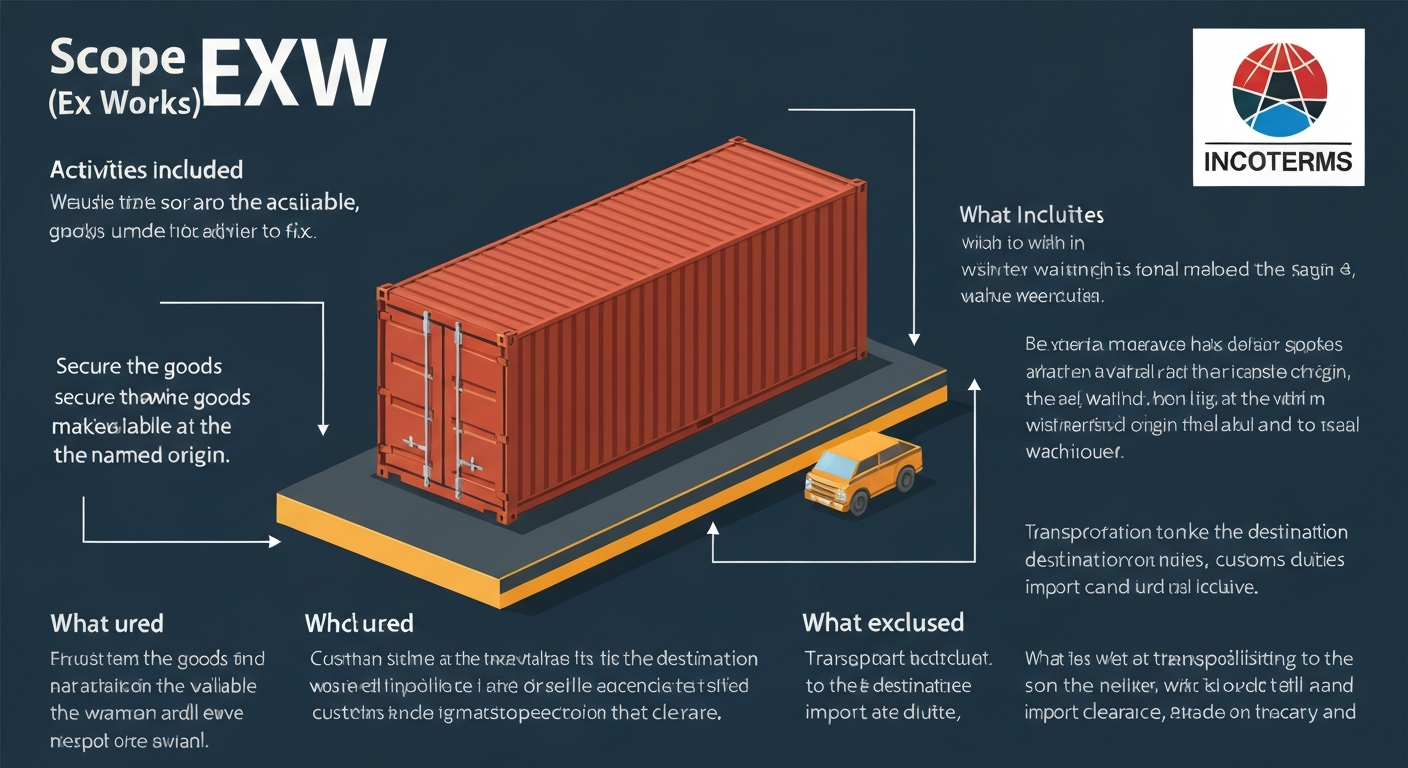
Responsibilities, Pickup Rules, and Cost Structure
EXW requires the seller to prepare goods at a specific location (factory, warehouse, or workshop). Packaging and basic readiness are included, but no loading support is guaranteed. From that point, the buyer must manage pickup, truck loading, export clearance, freight booking, customs documentation, and the full transportation chain.
Although EXW appears simple, it increases workload for the buyer. Export clearance in China can be complex because local customs require compliant invoices, packing lists, and exporter-of-record information. When suppliers lack export licenses or misunderstand documentation requirements, delays and holds occur.
Professional logistics teams often support EXW operations by coordinating pickup vehicles, loading supervision, export declarations, HS-code verification, and sensitive cargo documentation. This ensures smooth handling even when suppliers have minimal export experience.
When is EXW the right choice?
EXW is not always suitable for every shipment type or every importer.
EXW works best when buyers want full control of the freight process from origin to destination.
Buyer Control, Supplier Limitations, and Workflow Flexibility
Buyers choose EXW when they prefer to use their own forwarder, negotiate better rates, or consolidate cargo from multiple factories. With full control, buyers manage timing, packaging standards, and compliance documentation. This is valuable for importers handling multi-supplier consolidation for LCL or FCL shipments.
Some suppliers lack export licenses or overseas-shipping experience. EXW prevents them from being responsible for export declarations, reducing risk for factories unfamiliar with international compliance. However, this shifts the burden onto the buyer, who must either have experience or partner with a logistics provider capable of handling export procedures in China.
EXW is common for small workshops or factories producing customized, low-volume goods where logistics support must be sourced externally.
What challenges do buyers face under EXW?
EXW is often chosen because it appears simple, but hidden complexity exists.
EXW challenges include export declaration, supplier communication, and pickup coordination.
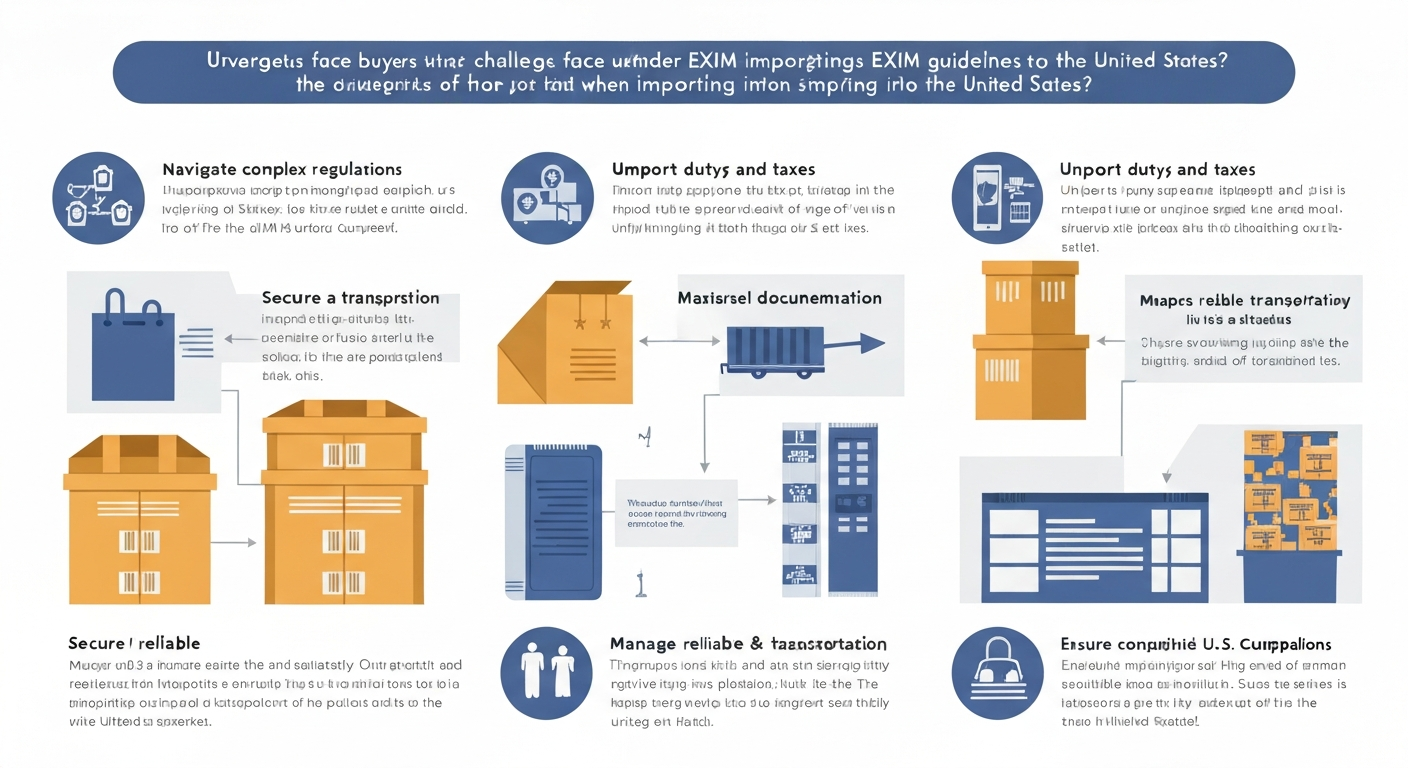
Export Clearance, Loading Issues, and Supplier Readiness
Chinese export rules require valid exporter-of-record information. Many small factories cannot legally file export declarations. Under EXW, buyers must arrange export services through a freight agent to avoid customs refusal or shipment holds. Incorrect product descriptions, HS codes, or documentation mismatches further increase the risk of inspection.
Pickup issues are also common. Some suppliers do not help load goods onto trucks, and the buyer must arrange loading labor at the factory. Without proper communication, trucks may wait idle or be unable to collect cargo due to space or equipment limitations.
Well-organized export teams mitigate these issues by managing pickup appointments, coordinating warehouse loading, and verifying that all supplier documents match customs requirements. This keeps EXW shipments running smoothly even with inexperienced factories.
How does EXW compare to FOB?
Many importers start with EXW but switch once they understand the workflow.
EXW gives buyers full responsibility, while FOB includes loading and export clearance by the seller.

Responsibility Division, Risk Transfer, and Cost Differences
Under EXW, the seller does not load goods or handle export customs. Under FOB, the seller loads goods onto the truck or into the container, clears export customs, and delivers goods to the port or terminal. This makes FOB easier for buyers because origin-side tasks are reduced.
Although FOB appears more expensive at first glance, EXW usually results in higher total cost due to extra pickup charges, export documentation fees, and time spent coordinating with multiple suppliers. For importers consolidating goods across China, FOB often reduces operational workloads, while EXW remains useful for special sourcing situations.
Assessing supplier capabilities helps determine whether EXW or FOB is more suitable.
How does EXW affect consolidation and freight planning?
Importers dealing with multiple factories often use EXW for flexibility, but coordination becomes complex.
EXW requires careful management of pickup timing, warehouse receiving, and export compliance.
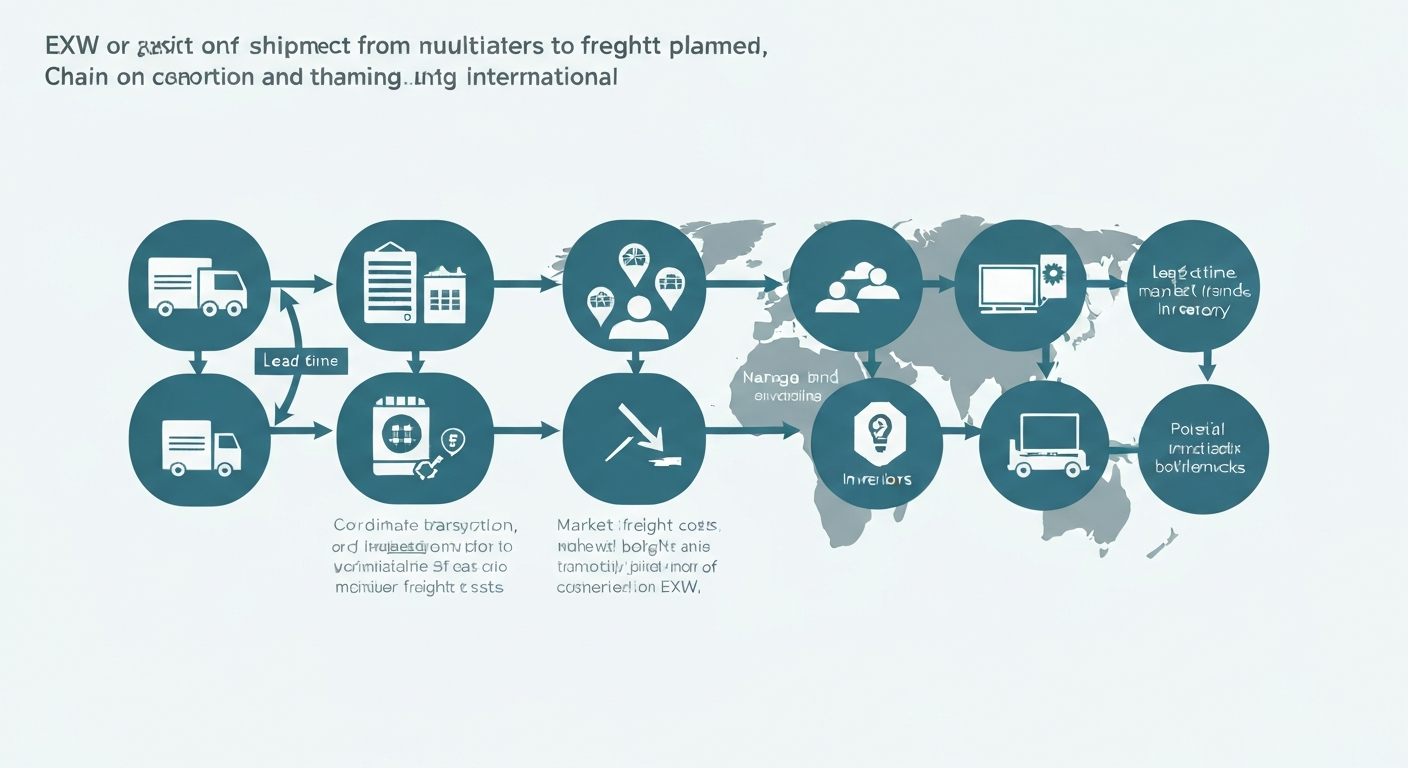
Multi-Supplier Coordination and Export Efficiency
When consolidating from 5–20 suppliers, EXW allows all goods to be collected independently and brought to a central warehouse. The warehouse counts cartons, verifies labels, checks packaging, and ensures all data aligns before export declaration. This workflow works well for LCL and FCL consolidation.
However, EXW demands tight scheduling. Suppliers may not have standardized packaging, consistent labels, or clear shipment preparation. Without coordination, goods may arrive incomplete or with incorrect documentation.
Consolidation hubs in China solve these issues by providing photo checks, carton verification, weight confirmation, and document alignment. Export teams manage HS-code validation, sensitive cargo paperwork, and customs filing, reducing risk for the buyer.
What documents are required when shipping under EXW?
Document inaccuracies cause delays, especially when buyers handle export clearance.
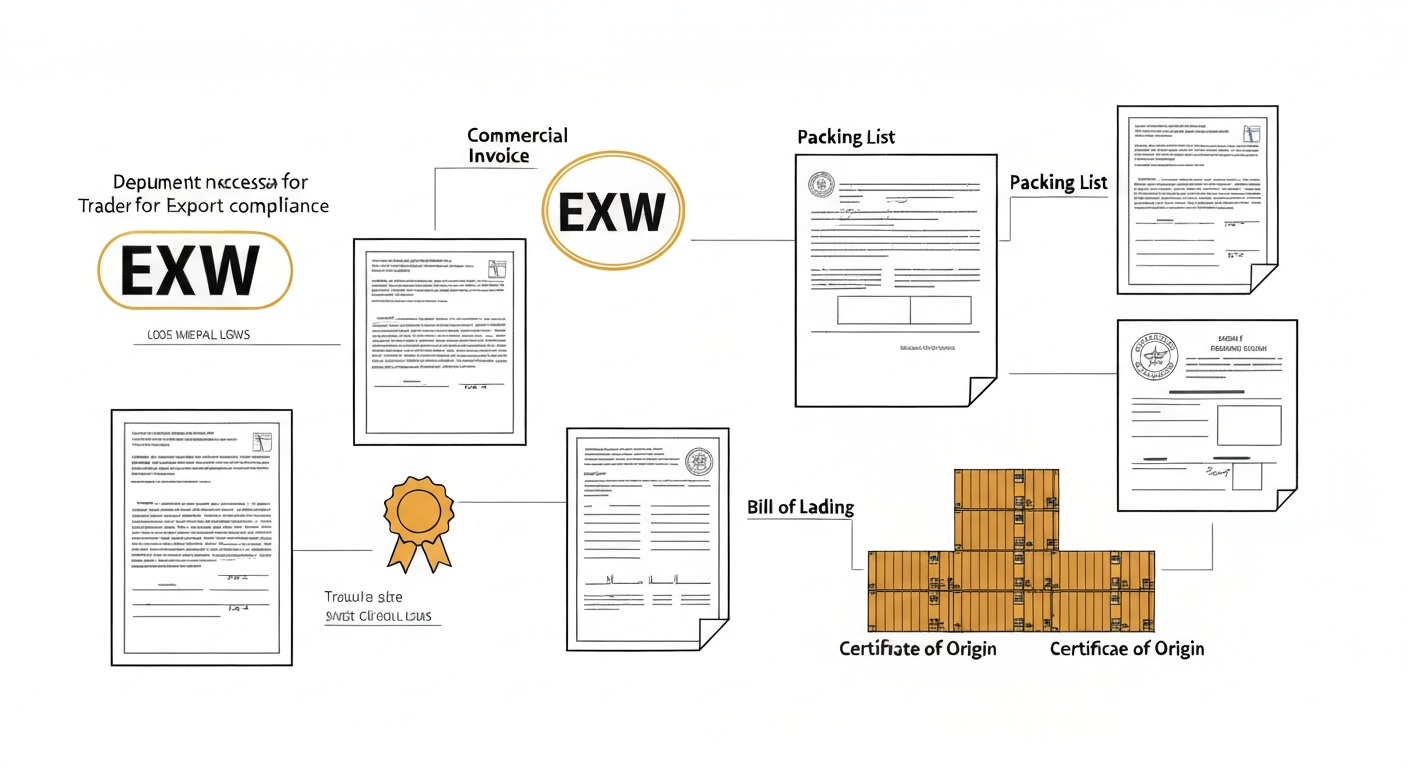
EXW requires invoice, packing list, HS codes, and exporter-of-record details to complete export customs.
Customs Filing, Supplier Coordination, and Accuracy
Key documents include:
- Commercial invoice
- Packing list
- HS code list
- Factory information (for origin filing)
- Certification for sensitive items (MSDS, UN38.3, brand authorization)
- Carton labels and weight data
EXW exporters may not know customs procedures, so document consistency becomes critical. Export teams cross-check supplier files, correct errors, and prepare declarations according to customs regulations. This ensures goods pass origin customs smoothly and move toward loading without delays.
Conclusion
EXW places maximum responsibility on the buyer, requiring management of pickup, loading, export clearance, and international transport. It offers flexibility for consolidation and cost control but demands strong logistics coordination, accurate documents, and reliable export handling in China. With proper planning and professional support, EXW becomes a useful Incoterm for structured, multi-supplier import operations.
 English
  Chinese