
An air waybill (AWB) is a shipment document issued by an airline or freight forwarder to record air cargo details and transport terms.
An AWB serves as a receipt, tracking reference, and contract of carriage in air freight.
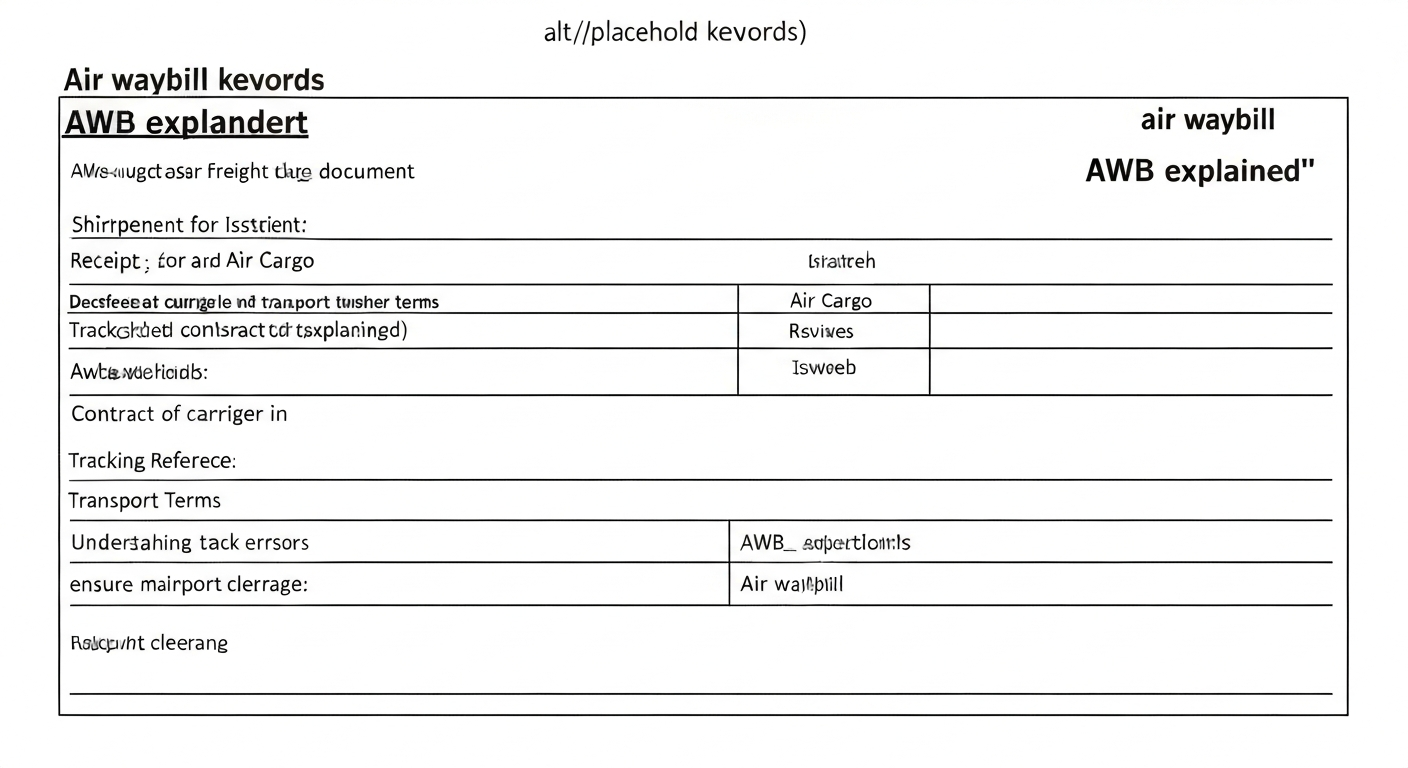
Understanding AWB functions helps importers track shipments, avoid documentation errors, and ensure smooth airport clearance.
What is an AWB in air freight?
Air shipments require precise documentation that travels with the cargo from origin to destination.
An air waybill is a mandatory transport document containing routing, cargo details, and carrier information.

Definition, Purpose, and Industry Role
An AWB is issued by the airline or freight forwarder to identify the air shipment and outline carriage conditions. It includes shipper and consignee details, airport routing, cargo weight, commodity description, and service terms. Unlike a bill of lading in ocean freight, an AWB is non-negotiable—it cannot be used as a title of ownership.
There are two main types:
- MAWB (Master Air Waybill) issued by the airline
- HAWB (House Air Waybill) issued by the forwarder
Both documents follow IATA standards and ensure the shipment is legally accepted into the air network. AWBs support cargo tracking and customs clearance at both ends of the journey.
What information does an AWB contain?
Lack of accurate information leads to airport delays, customs issues, and tracking errors.
An AWB contains all essential shipment data, including shipper, consignee, weight, routing, and cargo details.
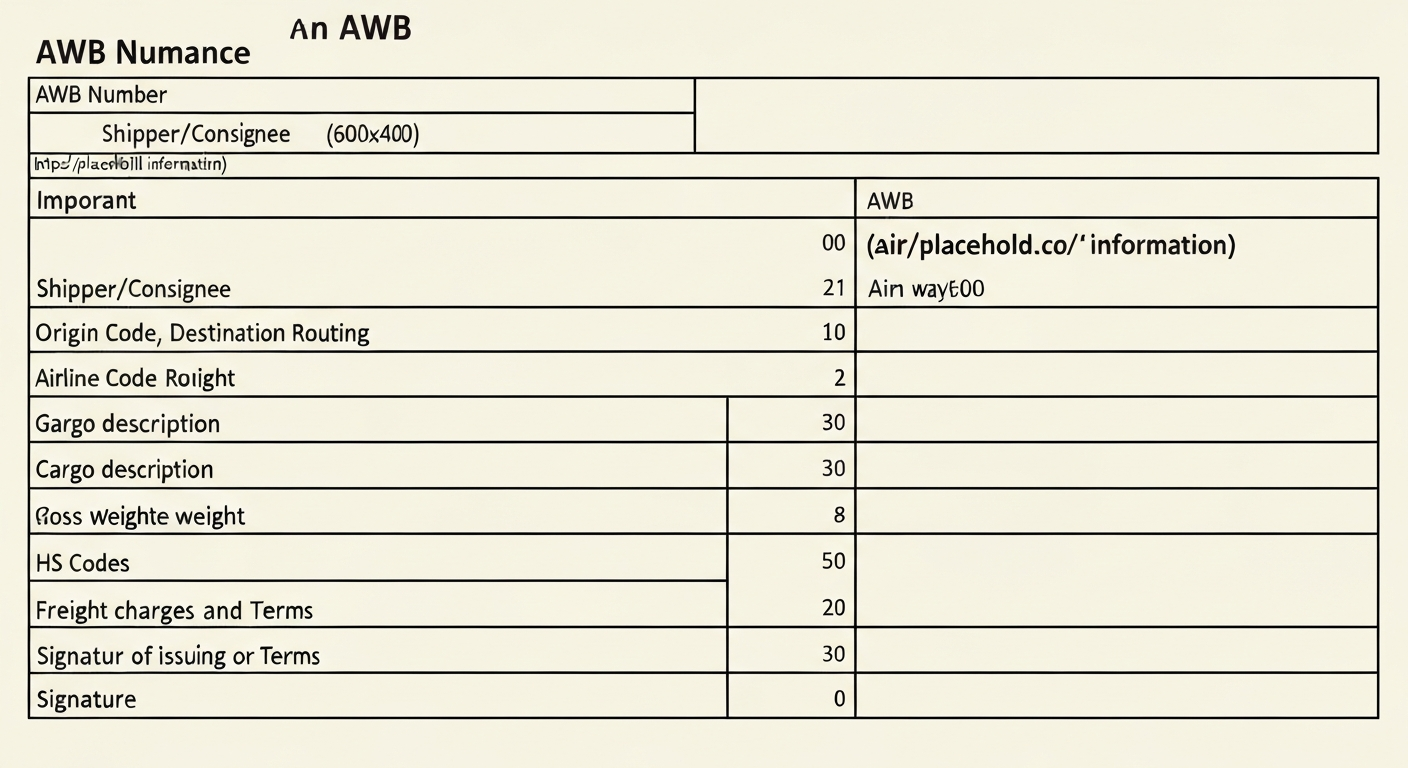
Key Fields and Their Importance
Important AWB sections include:
- AWB number (for tracking)
- Shipper/consignee details
- Origin and destination airports
- Airline code and flight routing
- Cargo description and HS codes
- Gross weight and chargeable weight
- Handling instructions
- Freight charges and terms
- Signature of issuing carrier or agent
Accurate information ensures the shipment is accepted, moved, and cleared without issues. Any inconsistency between AWB, invoice, and packing list may trigger customs examinations.
Warehouse teams verify carton count, weight, and SKU information before AWB submission to prevent mismatched data entries.
How is an AWB number used for tracking?
The AWB number is the key to monitoring an air shipment through the logistics chain.
Air shipments are tracked using the 11-digit AWB number on airline tracking portals.
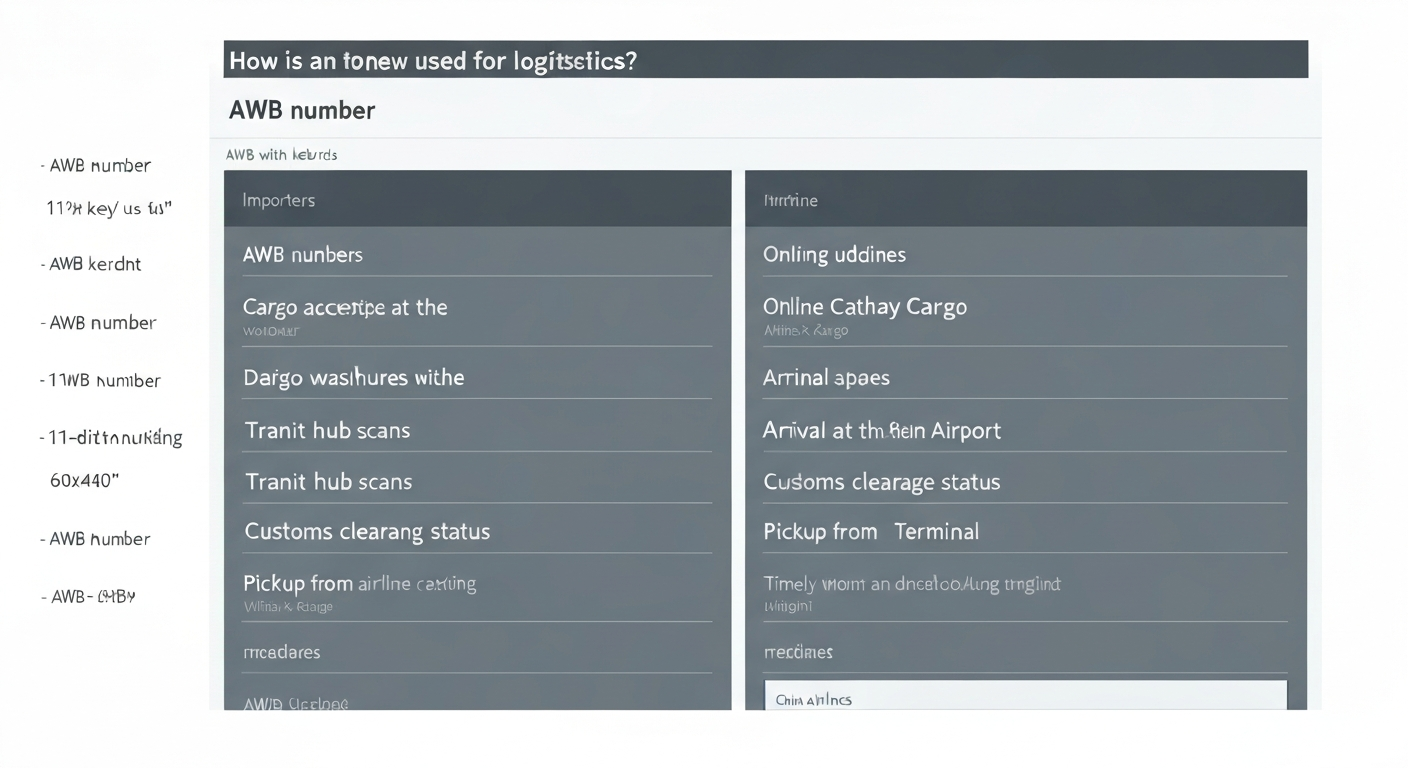
Tracking Flow and Update Milestones
With the AWB number, importers can monitor:
- Cargo acceptance at the origin warehouse
- Departure scans
- Transit hub scans
- Arrival at the destination airport
- Customs clearance status
- Pickup from airline terminal
Airlines like Emirates, Qatar Airways, Cathay Cargo, DHL Aviation, and China Airlines offer online tracking using AWB numbers. Tracking updates appear when cargo moves through airport terminals and security screening points.
Timely AWB creation enables early visibility and helps warehouses prepare for arrival.
What is the difference between MAWB and HAWB?
Air freight often involves both airline and forwarder-issued documents.
MAWB covers the main contract with the airline; HAWB covers the agreement between forwarder and shipper
Structure, Responsibility, and Document Flow
MAWB (Master Air Waybill)
- Issued by the airline
- Covers entire shipment from airport to airport
- Forms part of the official carrier documentation
HAWB (House Air Waybill)
- Issued by the freight forwarder
- Used for cargo consolidation and internal records
- Protects shipper and consignee interests
In consolidated shipments, multiple HAWBs are grouped under one MAWB for cost efficiency. Both documents must match in shipment data to avoid customs discrepancies.
How does an AWB support customs clearance?
Air cargo cannot clear customs without accurate AWB information.
The AWB provides key cargo identifiers for customs declarations and import processing.
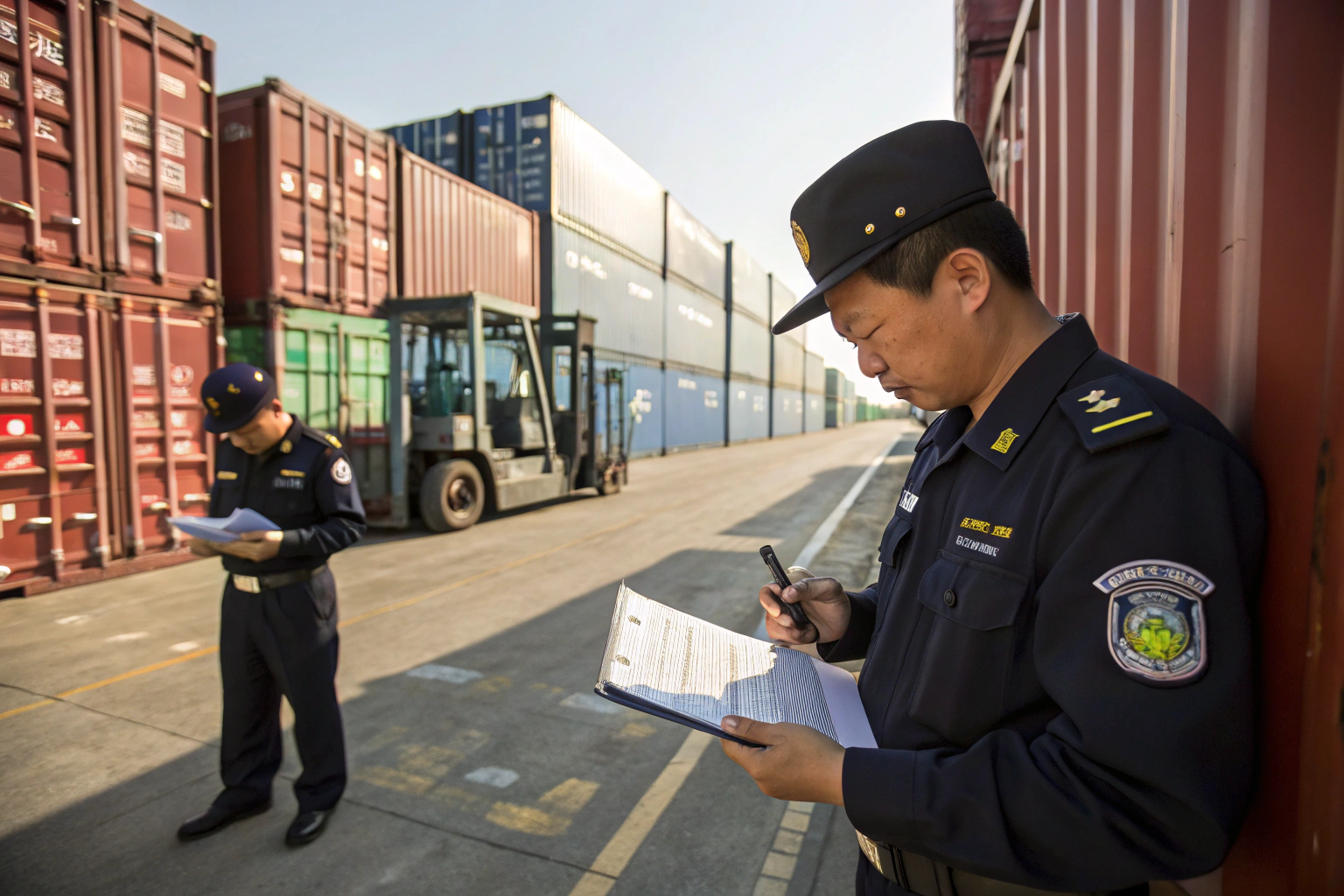
Compliance, Documentation, and Inspection
Customs uses AWB data to verify:
- Shipment routing
- Cargo type and description
- Weight and value consistency
- HS code classification
- Export and import agency requirements
The AWB must match the invoice, packing list, and regulatory certificates (FDA, FCC, MSDS, etc., if required). Any mismatch increases the likelihood of inspection or documentation review, delaying release.
Forwarders coordinate pre-alerts to ensure customs receives AWB information before the cargo arrives.
Why is AWB accuracy important for airport handling?
Even small errors in an AWB can disrupt the entire air-shipment process.
AWB accuracy ensures correct loading, flight routing, and cargo handling at terminals.

Handling Safety, Routing Precision, and Cost Avoidance
Common issues caused by AWB mistakes include:
- Incorrect airport routing (leading to misrouted cargo)
- Weight mismatch (causing re-weighing fees or flight delays)
- Wrong commodity descriptions (triggering customs checks)
- Incorrect consignee contact details (delayed pickup)
Airlines rely heavily on AWB data to allocate cargo space, balance aircraft loads, and meet safety standards. Clear and correct entries prevent unnecessary handling and additional charges.
How does an AWB work in consolidation or multi-supplier shipments?
Air consolidation requires precise AWB structuring to keep cargo organized.
For multi-supplier shipments, each supplier receives a HAWB linked to a single MAWB
Visibility, Sorting, and Document Alignment
Consolidation warehouses:
- Collect cargo from multiple suppliers
- Weigh and verify all pieces
- Prepare individual HAWBs
- Combine them under one MAWB
- Submit final data to the airline before cutoff
At destination, airlines release each HAWB separately, allowing importers to collect individual packages even if they arrive as one consolidated shipment.
Document alignment prevents sorting errors and ensures each consignee receives the correct cargo.
What documents accompany an AWB?
AWB alone is not enough for customs clearance and handling.
Supporting documents include the commercial invoice, packing list, and compliance certificates.
Document Package and Verification
Common accompanying files:
- Commercial invoice
- Packing list
- HS code list
- Regulatory certificates (FDA, FCC, MSDS, UN38.3, etc.)
- Export declaration
- Import permits (if required)
Consistent documentation ensures smooth movement through airport hubs and prevents airport storage fees or customs delays.
Conclusion
An air waybill (AWB) is the essential transport document for air freight, serving as the shipment’s receipt, tracking number, and contract of carriage. With accurate data, proper routing, and aligned documentation, AWBs ensure cargo moves smoothly through airports, clears customs efficiently, and arrives safely at destination. Strong coordination across suppliers, forwarders, and airlines keeps AWB shipments fast, transparent, and reliable throughout the global logistics chain.
 English
  Chinese