
General cargo refers to packaged goods transported in units such as cartons, pallets, crates, or barrels.
General cargo is shipped via road, air, ocean, or rail, making it the most common freight category across global supply chains.
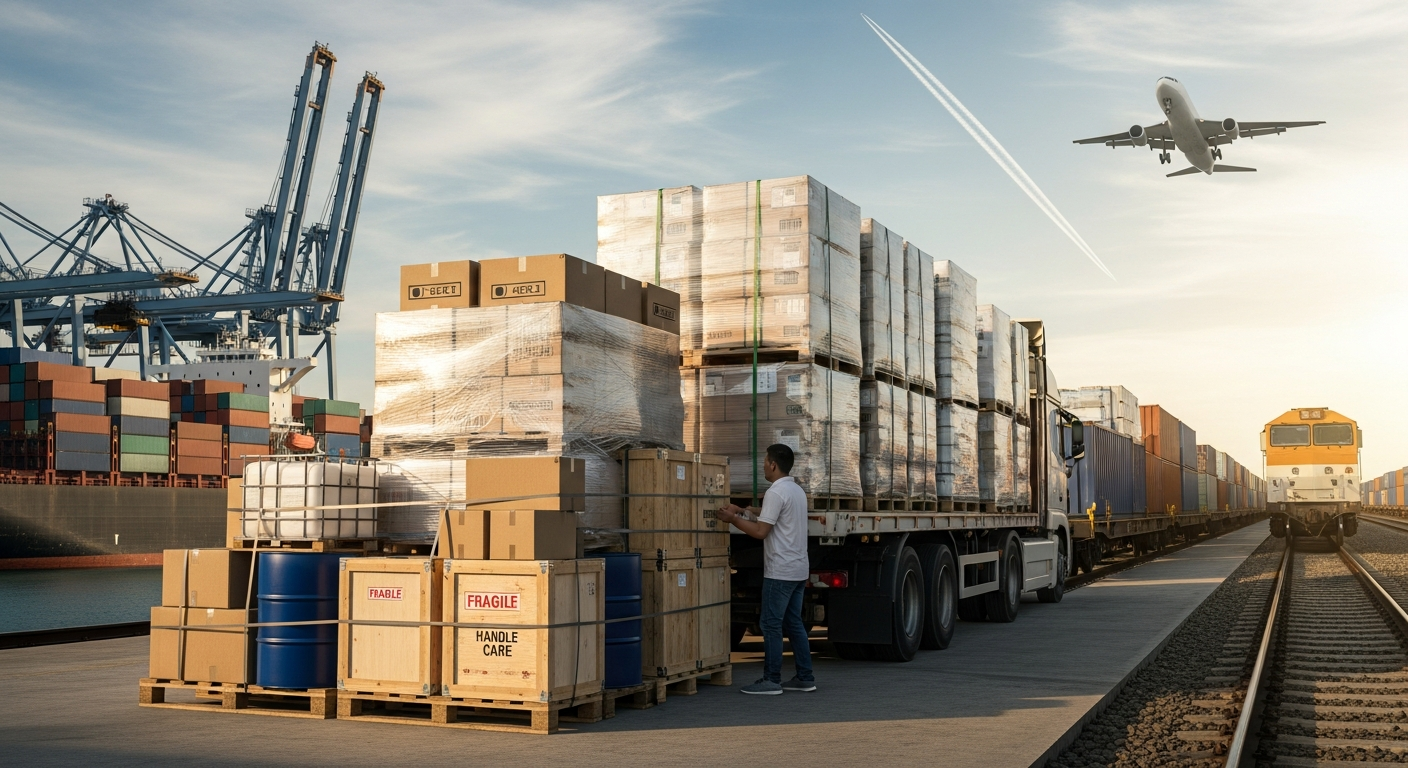
Understanding general cargo helps businesses plan transport routes, choose packing methods, and maintain smooth international shipments.
What is general cargo?
Not all goods require special handling or temperature control.
General cargo includes standard packaged goods that can be transported individually or on pallets.
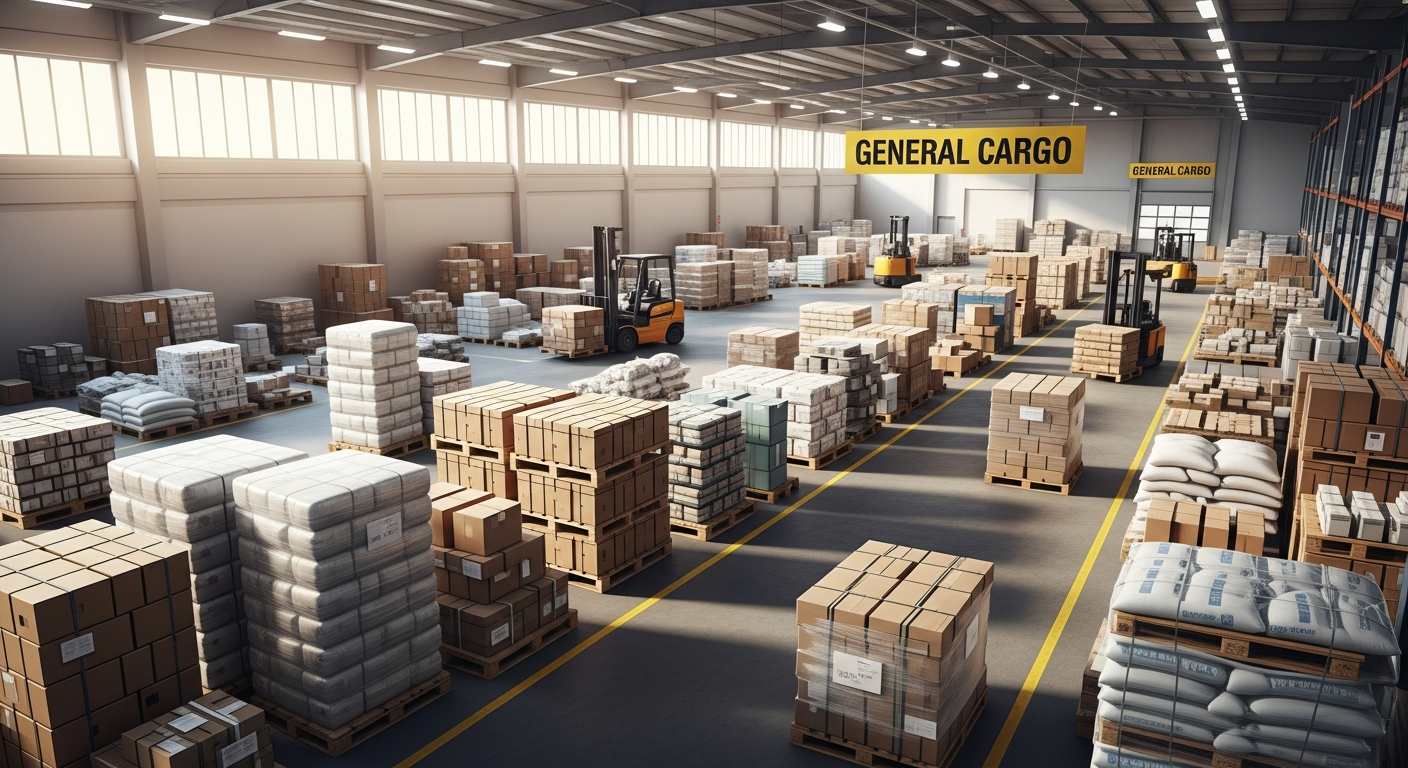
Definition, Characteristics, and Common Applications
General cargo covers items that are packaged, boxed, palletized, or crated for transport. These goods do not need bulk carriers, tankers, or temperature-controlled vehicles. Instead, they move through standard logistics networks using containers, trucks, aircraft, or trains.
Common general cargo includes electronics, textiles, machinery parts, household goods, toys, tools, hardware, FMCG products, auto parts, and non-hazardous consumer items. These goods rely on standard handling equipment such as forklifts, pallet jacks, and conveyor systems.
General cargo fits both FCL and LCL ocean freight, making it flexible for businesses shipping small batches or large quantities.
What types of goods are considered general cargo?
General cargo covers most consumer and commercial products seen in daily trade.
General cargo includes packaged goods, palletized loads, and non-hazardous manufactured products.
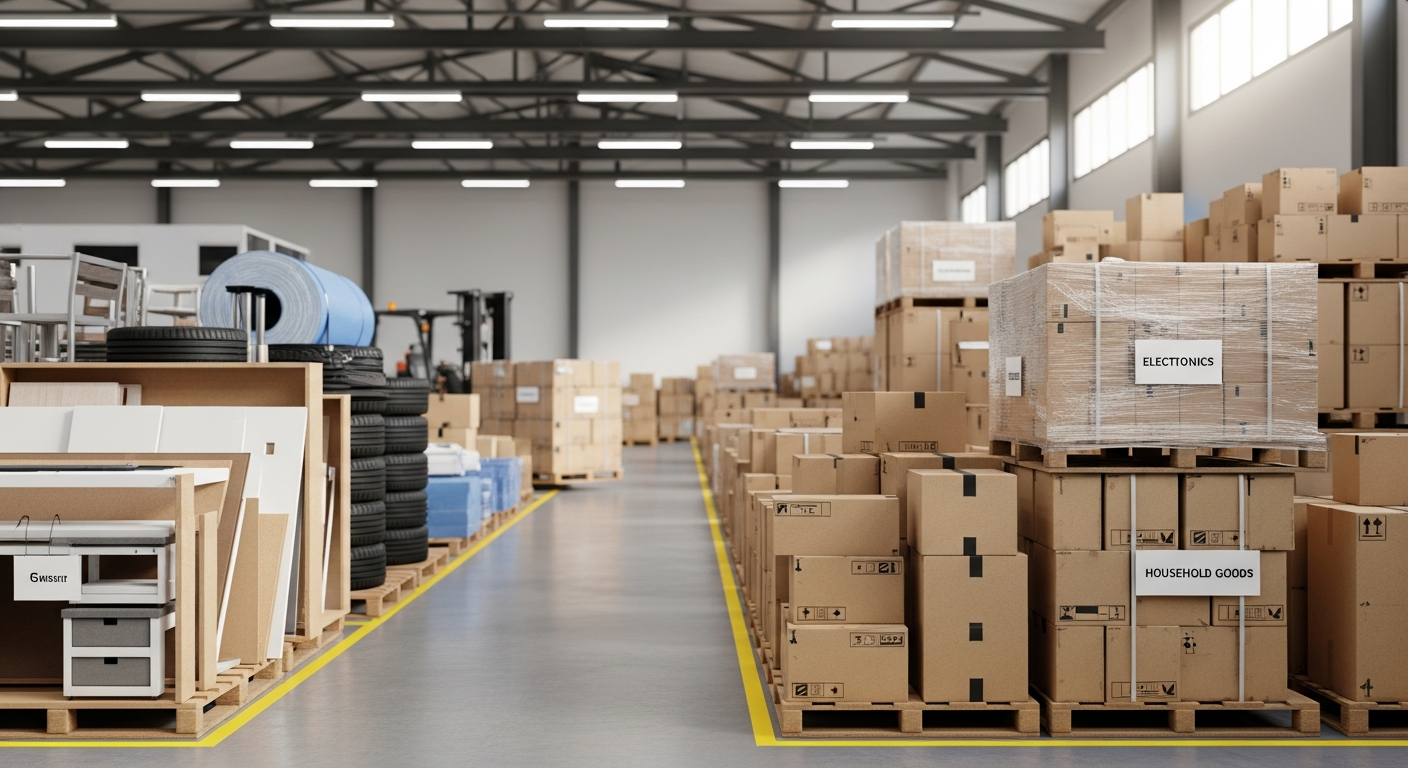
Product Categories and Distribution Uses
Typical general cargo items include:
- Electronics and appliances
- Clothing, shoes, and fashion items
- Toys, tools, and household goods
- Automotive accessories and machinery components
- Pharmaceuticals (non-temperature sensitive)
- Furniture and decor
- Office equipment
- Packaged food (dry goods)
These goods travel through standard containerized shipping and do not require special tankers or bulk carriers. Proper packing, labeling, and documentation ensure safe and efficient movement across borders.
How is general cargo transported?
General cargo can move through any major transport mode depending on distance, urgency, and cost.
General cargo is transported by road, air, ocean, rail, or multimodal solutions.
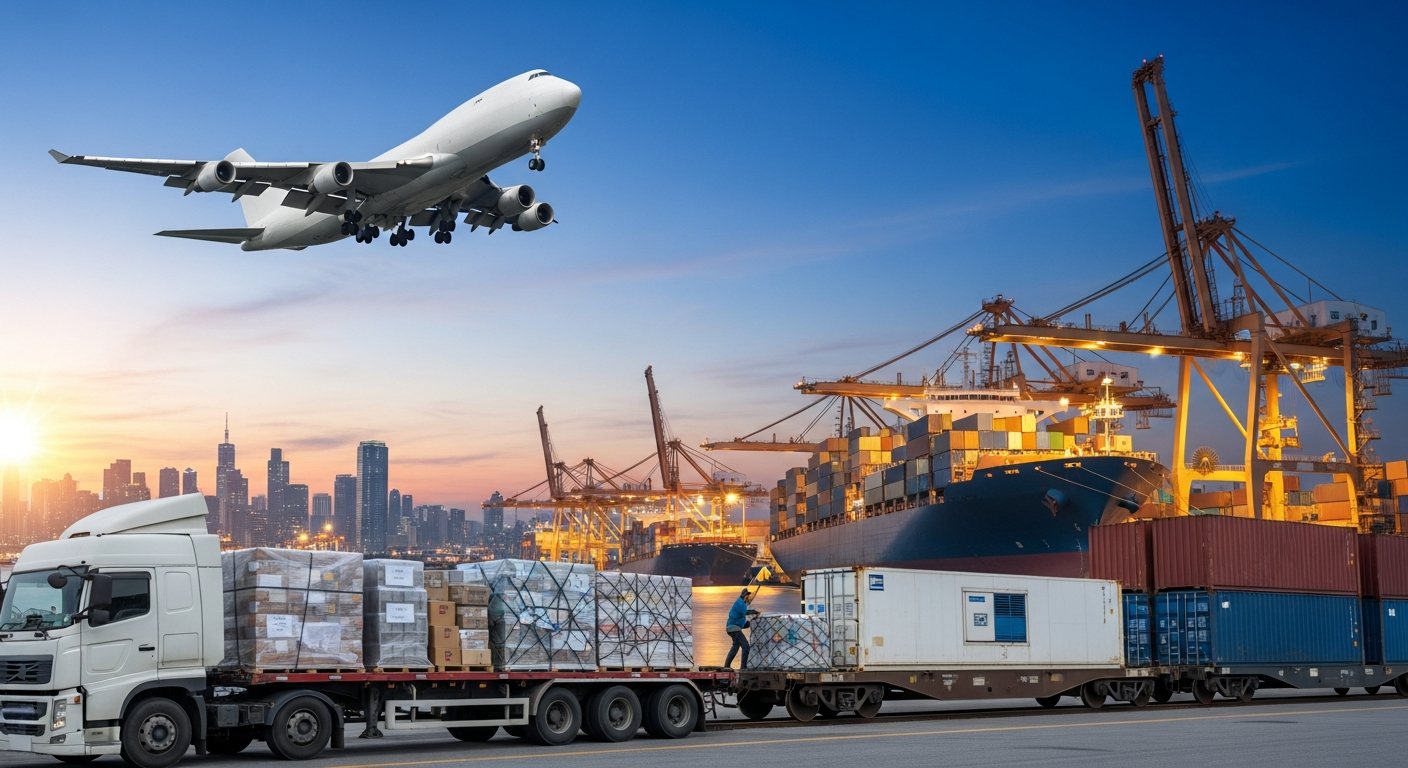
Transport Modes and Operational Flow
Ocean Freight
Best for large volumes. Uses FCL and LCL containers. Suitable for long-distance trade.
Air Freight
Fastest option for urgent or high-value cargo.
Road Freight
Ideal for door-to-door transport and regional distribution.
Rail Freight
Efficient for inland long-distance movements and heavy cargo.
Multimodal Transport
Combines modes under a single plan for optimized performance.
AsstrA coordinates all transport modes, enabling seamless routing, customs support, and cargo consolidation for both small and large shipments.
What packaging is required for general cargo?
Proper packaging prevents damage, supports safe loading, and maintains compliance.
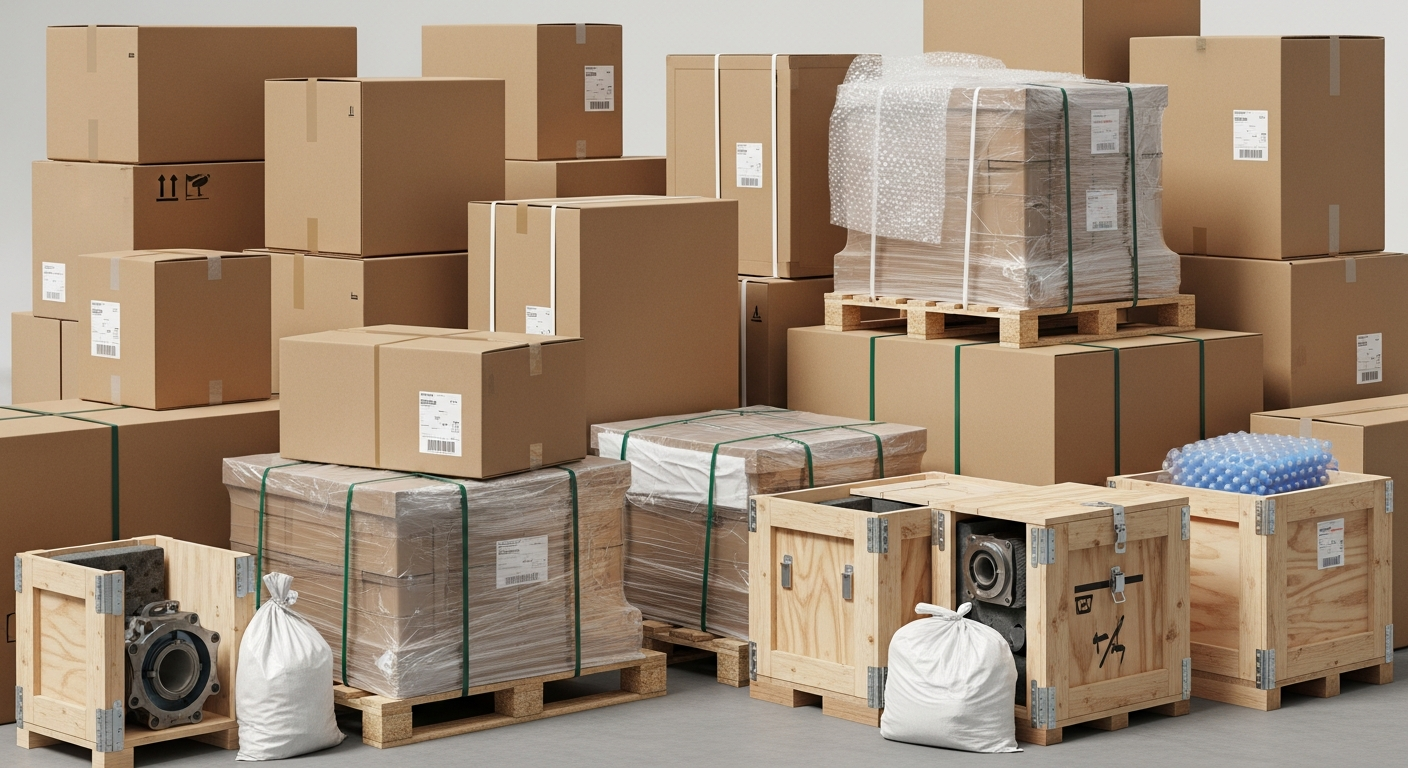
General cargo requires durable packaging such as cartons, pallets, crates, and protective materials.
Packing Standards, Protection Materials, and Handling Safety
General cargo packaging typically includes:
- Corrugated cartons
- Wooden crates or boxes
- Stretch-wrapped pallets
- Foam, bubble wrap, and corner protectors
- Moisture barriers or desiccants for sea freight
- Fragile labels, orientation arrows, and handling marks
Correct packaging reduces vibration damage, prevents moisture impact, and ensures goods withstand multiple handling points—especially in LCL and air shipments. AsstrA ensures packaging meets regulatory rules and carrier requirements to avoid rework or delays.
What are the common risks in general cargo transport?
Even standard freight can face damage or delay if not handled properly.
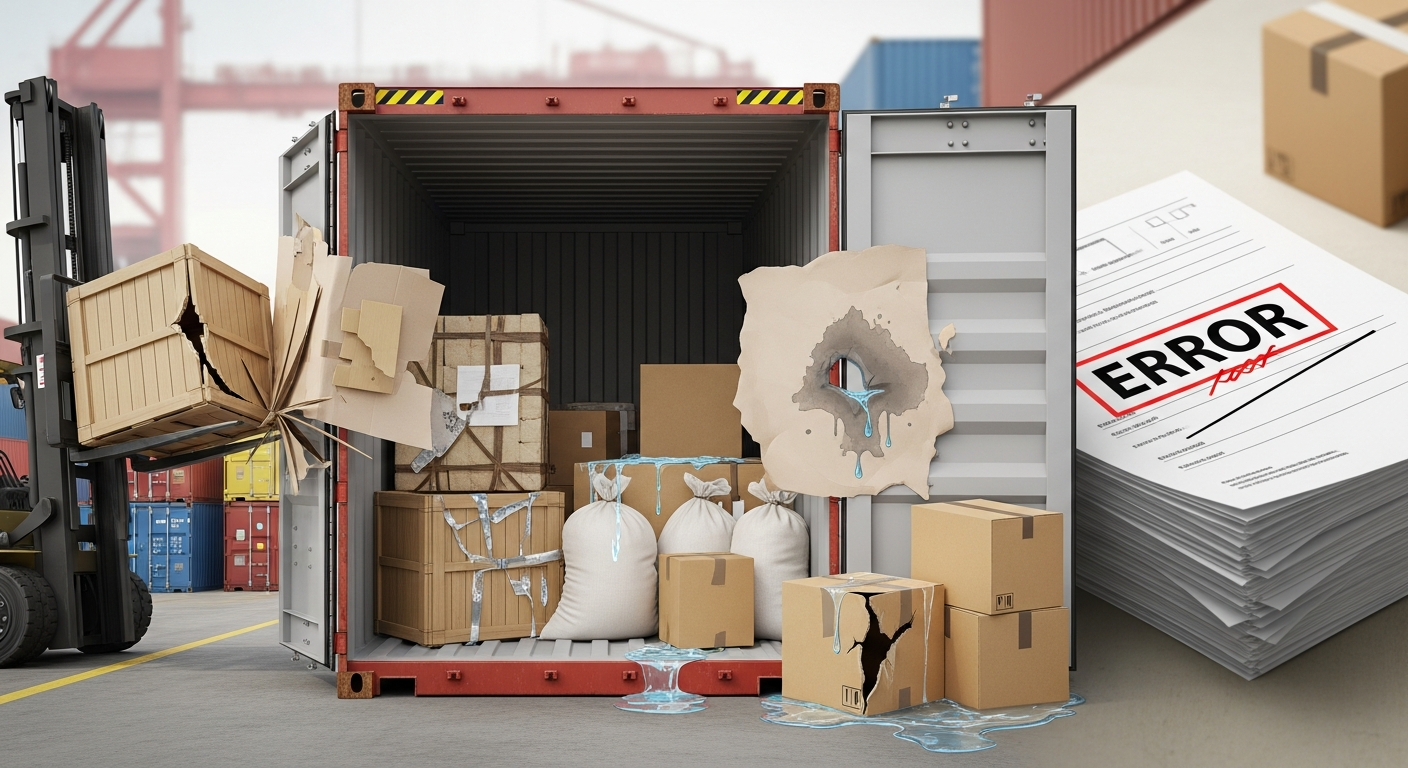
General cargo risks include mishandling, moisture exposure, and documentation errors.
Damage Factors, Process Challenges, and Prevention
Key risks involve:
- Poor packaging leading to crushing or tearing
- Water damage during sea transit if cartons are unprotected
- Mislabeling causing sorting issues
- Incorrect HS codes leading to customs holds
- Insufficient pallet stability during movement
- Lost or misplaced cartons in LCL flows
To reduce risk, AsstrA applies quality checks, packaging standards, and accurate documentation across each shipment.
How does general cargo differ from specialized cargo?
Not all freight fits standard handling procedures.
General cargo differs from hazardous, temperature-controlled, bulk, or oversized cargo.
Standard vs. Special Handling Requirements
General cargo:
- Packaged items
- No special temperature needs
- No hazardous classification
- No oversized lifting needs
Specialized cargo:
- Hazardous materials (HAZMAT)
- Perishables requiring cold chain
- Break bulk or oversized items
- Bulk commodities (grain, liquids, minerals)
General cargo benefits from lower transport cost, simpler documentation, and easier handling across terminals and warehouses.
What documents are required for general cargo shipments?
Customs processing depends heavily on accurate documentation.
General cargo requires standard documents such as invoice, packing list, and BL or AWB.
Documentation Essentials and Accuracy Checks
Key documents include:
- Commercial invoice
- Packing list
- HS codes
- Bill of lading (ocean) or air waybill (air freight)
- Certificates (if applicable, such as FCC, FDA, CE)
- Insurance documents
- Customs declarations
AsstrA verifies all documents before shipping to ensure compliance, prevent customs issues, and reduce inspection risk.
How does AsstrA support general cargo transport?
General cargo requires coordination across carriers, customs, and warehousing.
AsstrA provides end-to-end logistics for general cargo across multiple transport modes
Transport, Customs, and Warehousing Solutions
AsstrA supports general cargo through:
- Multimodal transport planning
- Containerized ocean freight (FCL/LCL)
- Air freight for urgent cargo
- Road and rail distribution
- Warehousing, cross-docking, and consolidation
- Customs clearance and regulatory support
- Cargo insurance and documentation services
Integrated support ensures smooth door-to-door movement and clear visibility for businesses shipping internationally.
How to choose the right transport method for general cargo?
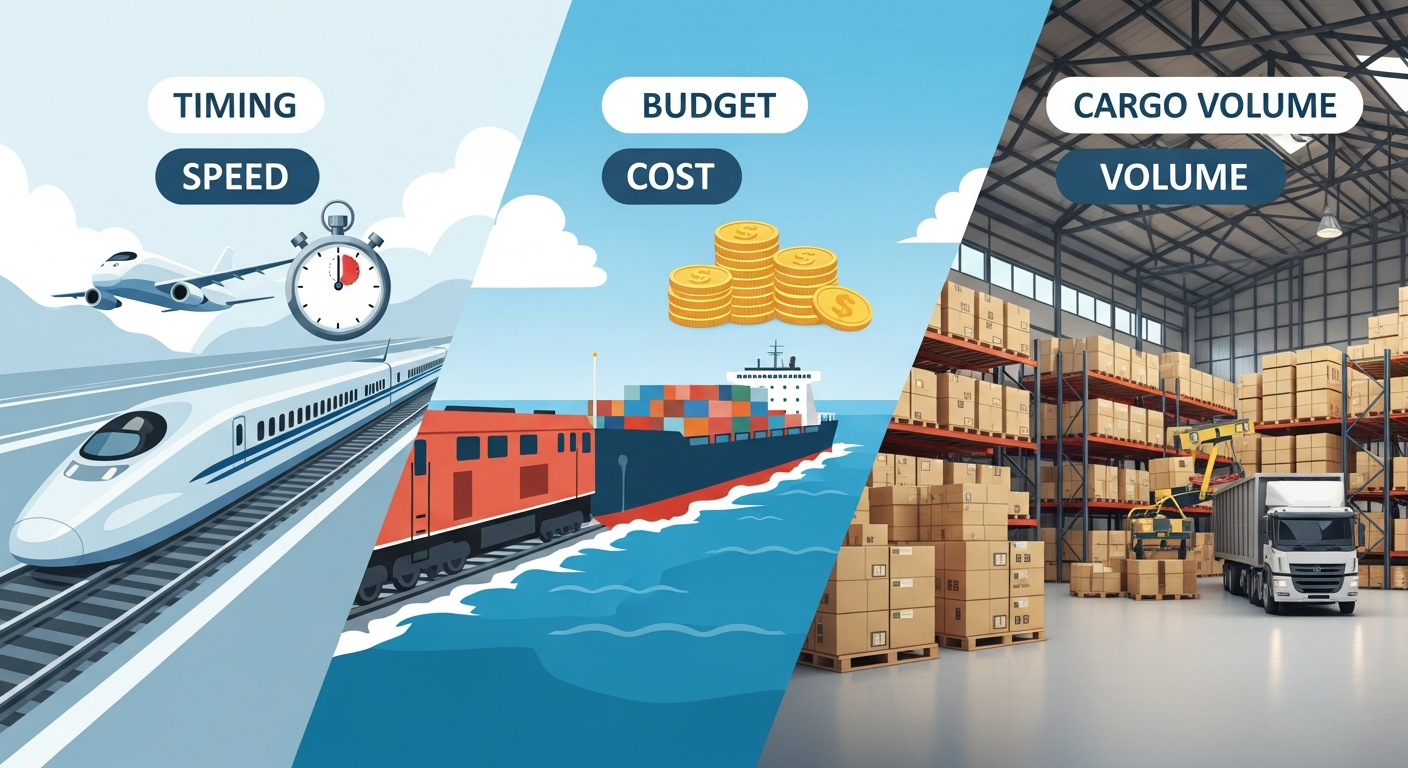
The best transport mode depends on timing, budget, and cargo volume.
General cargo transport is selected based on speed requirements, cost limits, and destination routes.
Cost, Speed, Volume, and Risk Considerations
Decision factors include:
- Delivery deadlines
- Cargo weight and dimensions
- Budget constraints
- Distance and route availability
- Customs requirements
- Warehouse capacity at destination
For long-distance shipments, ocean freight offers the best cost. For urgent or high-value items, air freight is preferred. Road and rail support regional and inland distribution.
Conclusion
General cargo includes packaged, palletized, and non-hazardous goods that move through all major transport modes. With flexible routing, straightforward documentation, and wide carrier availability, general cargo forms the backbone of global logistics. Supported by strong packaging, accurate paperwork, and coordinated transport solutions, companies maintain reliable, cost-efficient shipping operations across international markets with partners like AsstrA ensuring smooth end-to-end delivery.
 English
  Chinese