
GOAT shipping times depend on product type, verification location, and delivery method. Most orders take 5–10 business days from purchase to arrival, including seller processing, authentication, and final delivery.
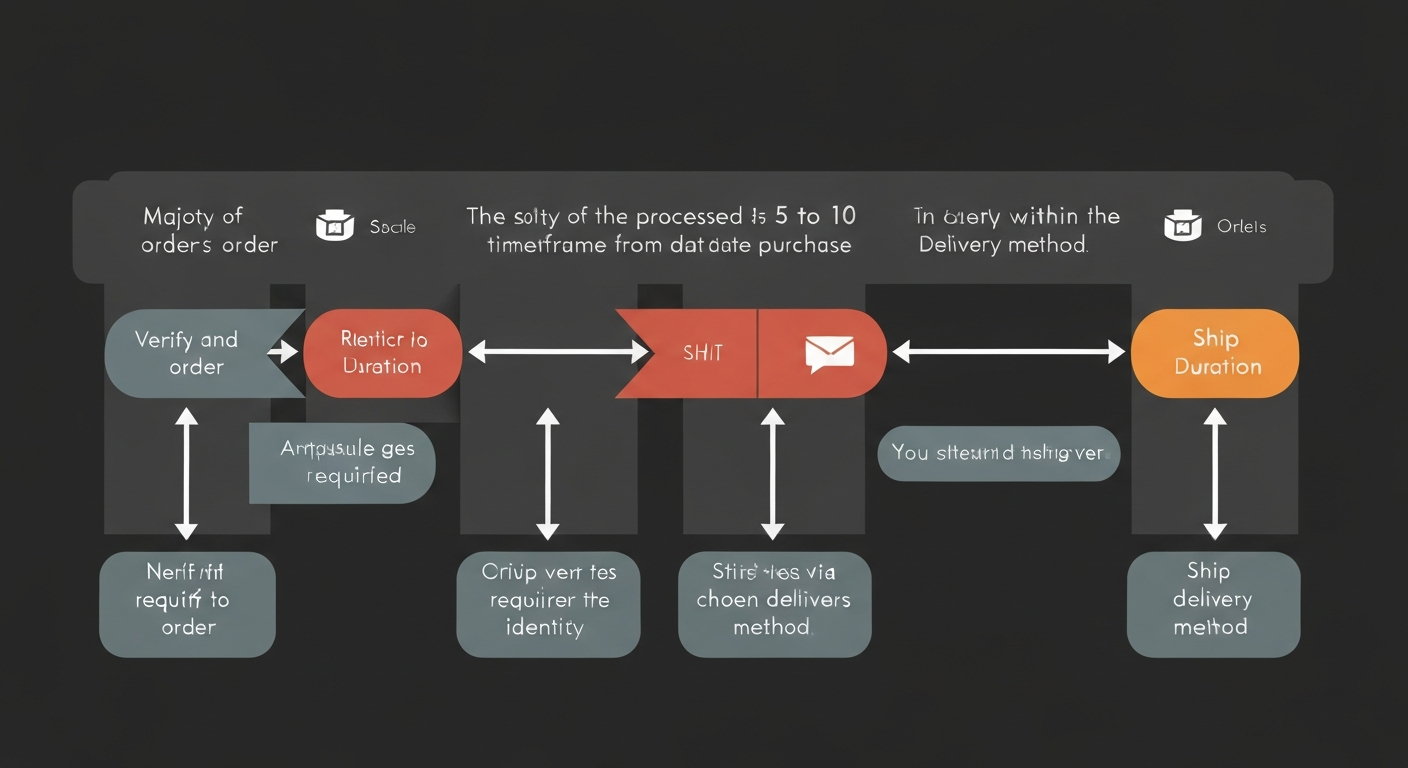
Clear timelines help plan inventory, sales cycles, and restocking. The sections below explain the main factors that influence GOAT delivery speed and outline practical solutions that keep orders moving smoothly.
How long does GOAT take to process an order?
Many delays start before the package even reaches GOAT’s authentication center. Sellers often need time to pack and hand over items.
GOAT processing time usually takes 1–3 business days before the item begins authentication.

What happens during order processing
When an order is placed, the seller receives a notification to ship the item to GOAT’s nearest authentication center. Seller response time varies widely. Some sellers dispatch items within hours, while others need extra days to prepare packaging, confirm stock, or handle multiple orders at once.
Once the parcel enters the GOAT network, it undergoes initial check-in, barcode registration, and pre-auth review. These steps ensure the product arrives intact and matches the seller’s listing. Any mismatch, missing accessories, or packing issue may trigger an internal hold.
For importers and resellers, stable consolidation services in the origin country help maintain predictable flow. Unified packing, accurate labeling, and early inspection reduce the chance of missing parts or inconsistencies. A structured export workflow also shortens domestic handling time and keeps downstream timelines reliable.
How long does GOAT authentication take?
Verification is the most important stage, especially for sneakers, apparel, and collectibles. This step ensures authenticity and condition.
Authentication normally takes 1–2 business days once the item reaches the GOAT center.

Why authentication takes time
GOAT uses trained specialists to inspect logos, stitching, tags, materials, and manufacturing patterns. High-demand products like limited-edition sneakers may receive deeper inspection due to counterfeiting risks. Peak seasons increase workload, causing extra wait time as authentication centers handle higher volumes.
If any detail appears unclear, the item goes through secondary checks. GOAT must also confirm size accuracy, colorway, product code, and consistency with industry standards. This protects the marketplace and ensures buyers receive the product exactly as listed.
For import-dependent operations, stable supply chains reduce the risk of shipping flawed or inconsistent goods. Pre-screening in warehouses, photo documentation, and batch checks help prevent authentication delays. Predictable timelines support smoother stock planning and reduce the risk of order hold status.
How long is GOAT shipping after authentication?
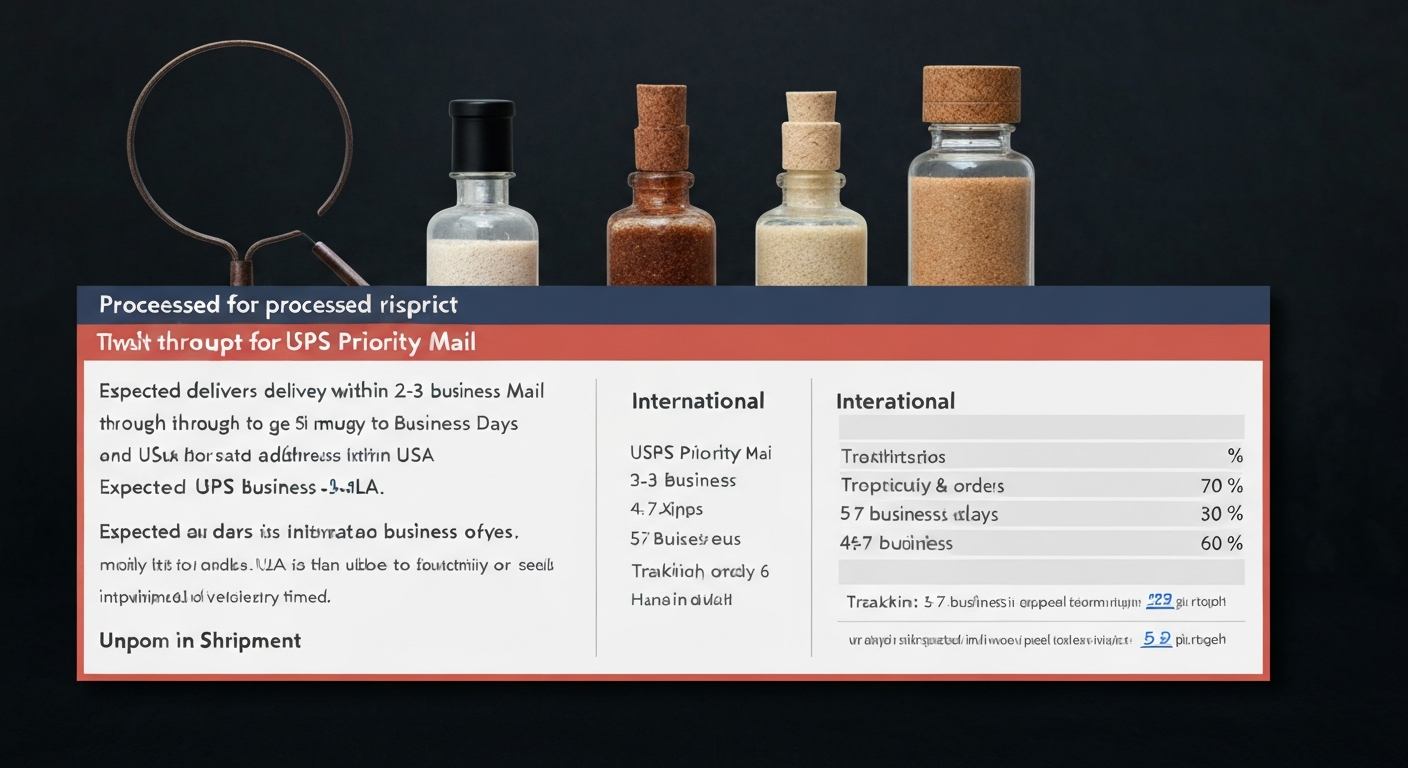
Once authenticated, the order moves into final delivery. Shipping time depends on destination region and carrier.
Delivery after authentication usually takes 3–7 business days for standard shipping.
What affects delivery speed
GOAT partners with express carriers such as DHL, UPS, and FedEx. Delivery speed depends on customs clearance, carrier capacity, and regional distance. Urban areas receive faster service, while remote locations may add extra days.
Carriers often require correct address data, postal codes, and contact information. Any mismatch or incomplete details can trigger a delivery hold. International orders involve customs examination, duty checks, and import formalities. Goods containing leather, electronics, or high-value items may undergo additional screening.
Efficient logistics hubs help streamline these steps. Pre-verification of consignee addresses, accurate HS code assignment, and clean export documentation reduce carrier holds. Consistent tracking updates also help maintain oversight throughout the delivery window.
Why do some GOAT orders take longer?
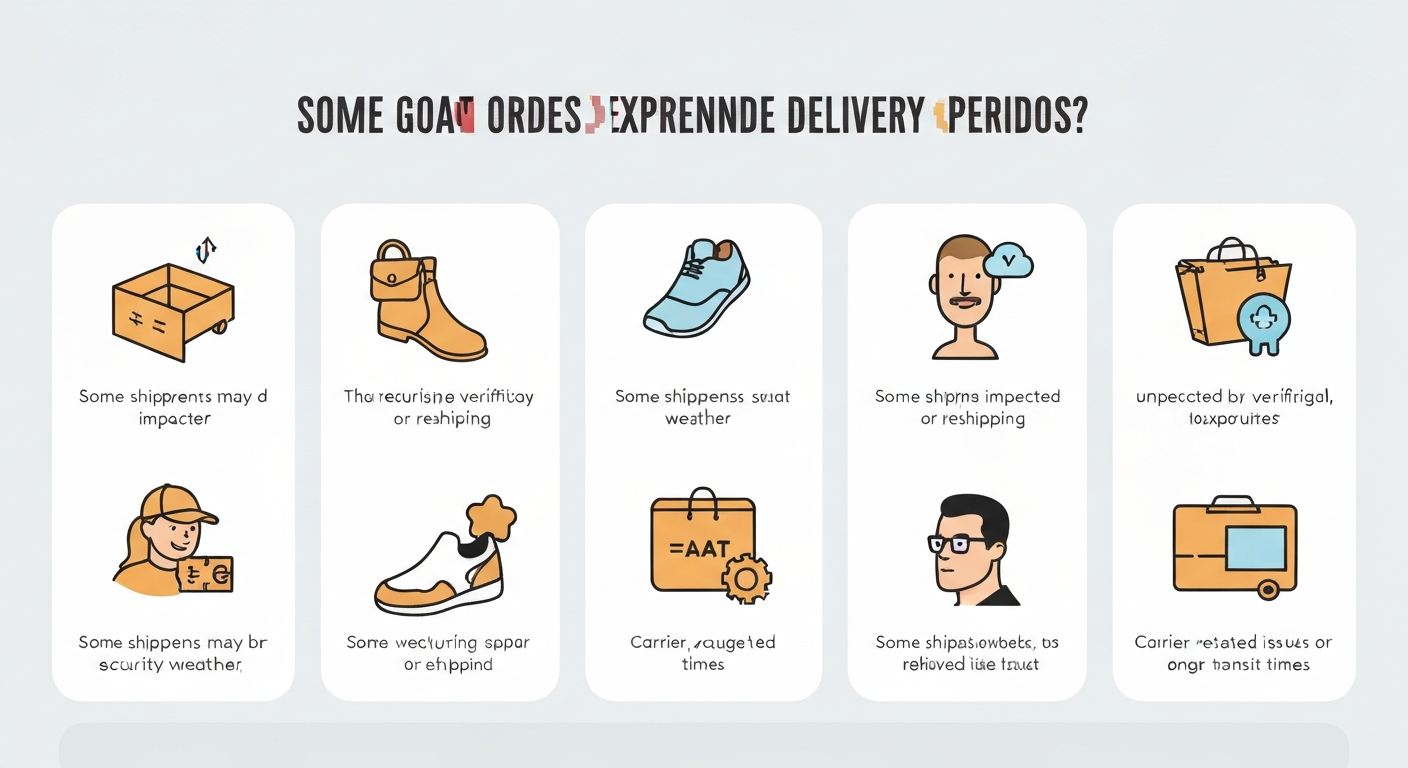
Extended delays usually come from seller issues, authentication spikes, logistics congestion, or customs holds.
GOAT orders take longer when sellers delay shipment or when peak seasons strain carrier and authentication capacity.
Key reasons for extended timelines
Several common scenarios cause longer waits:
- Sellers miss the initial shipping window
- Item needs secondary authentication
- Carrier experiences seasonal congestion
- Customs requires extra verification
- Address mismatch triggers delivery hold
High-traffic periods like holiday seasons or major sneaker releases add strain across the entire supply chain. Authentication centers receive thousands of items simultaneously, and express carriers face capacity limits. Global routes also shift based on airline schedules and cargo availability.
Strong export coordination helps minimize these delays. When goods are consolidated, checked, and labeled properly at the origin warehouse, the chance of authentication mismatch decreases. Stable routing partnerships and clear documentation further reduce customs inspection time. Together, these factors support more consistent delivery performance to end markets.
How to speed up GOAT shipping?
Although shipping speed ultimately depends on GOAT, certain practices help reduce waiting time in most cases.
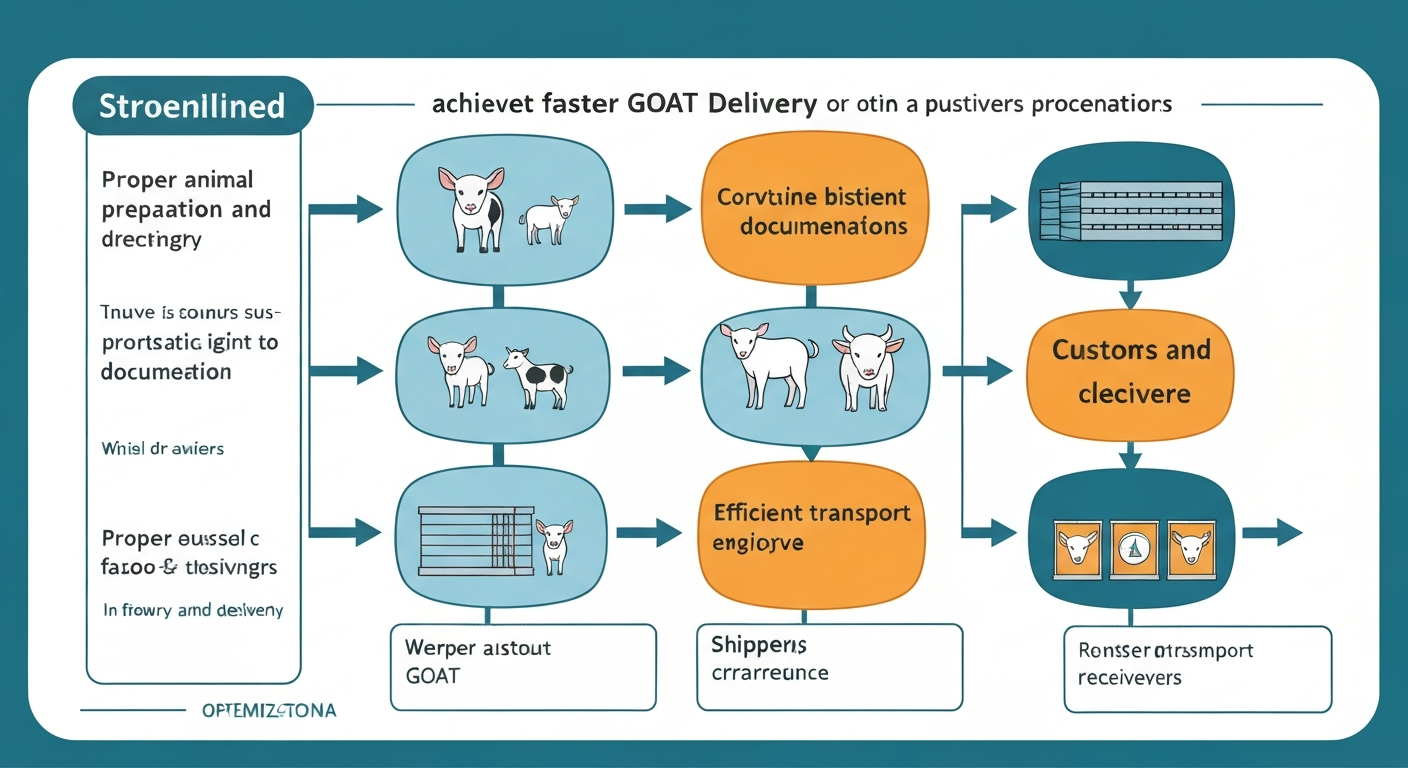
GOAT shipping moves faster when item handling is accurate, documentation is clean, and routing avoids avoidable delays.
Practical steps to support faster delivery
Several measures commonly shorten delivery timelines:
- Ensuring correct address, postal code, and phone number
- Keeping consistent product descriptions and item conditions
- Using stable carriers with predictable transit time
- Preparing goods with protective packaging to avoid repacking
- Planning purchases outside peak traffic periods
Delays often occur when goods need re-labeling, re-boxing, or verification of missing data. Clean preparation at the origin reduces operational stops across the chain. For operations handling large volumes, consolidated export solutions help prevent mixed SKU issues and inconsistent labels. Reliable customs coordination removes unnecessary holds and ensures smooth entry into destination markets.
With steady communication, accurate documentation, and well-organized shipments, GOAT orders move through each stage with fewer interruptions and more stable transit times.
Conclusion
GOAT shipping time follows a clear process: seller dispatch, authentication, and final delivery. Most orders reach the buyer within 5–10 business days. Delays usually come from seller slowdowns, verification queues, customs holds, or addressing issues. Consistent preparation, accurate documentation, and reliable shipping support reduce these risks. When each stage flows smoothly—from packing to verification to international transit—the entire journey becomes predictable, allowing restocks, sales plans, and inventory timelines to remain stable. This steady movement keeps supply operations efficient and ensures each shipment progresses toward its destination without unnecessary stops.
 English
  Chinese