
AliExpress shipping follows a structured path: seller handling, export dispatch, international transit, customs, and final delivery. Most orders take 10–30 days depending on service level, origin efficiency, and destination clearance speed.
Clear knowledge of this journey helps plan restocking, order cycles, and customer delivery promises. The following sections break down each major stage and explain how smoother logistics and stronger export preparation keep shipments moving steadily.
How does AliExpress order processing work?
Order movement begins with the seller. The seller needs time to pack, label, and hand over goods to the outbound carrier.
AliExpress sellers usually need 1–5 days to prepare and ship items to the local sorting center.
What happens during preparation and handover
Once an order is confirmed, the seller receives pick-and-pack instructions. Handling time varies based on stock readiness, product type, and order volume. Small accessories pack quickly, while fragile or multi-item sets require extra preparation. Sellers must also print the correct tracking number and attach the platform-approved label.
After packing, the parcel goes to the regional warehouse managed by Cainiao or a partner carrier. Staff perform barcode scanning, weight checks, and visual screening. Any mismatch between declared content and physical package may trigger a hold. Busy seasons can extend processing times.
Structured export workflows reduce these delays. With unified labeling, pre-checking of items, and consolidated pickup from multiple suppliers, outbound movement becomes more predictable. Consistent packaging standards also lower the risk of repacking or mis-scan issues at the sorting center.
How long does international transit take?
Transit time depends on the service used—economy, standard, or premium. Faster services use more direct air routes.
Most AliExpress international shipments take 7–20 days to reach the destination country.
What influences transit speed
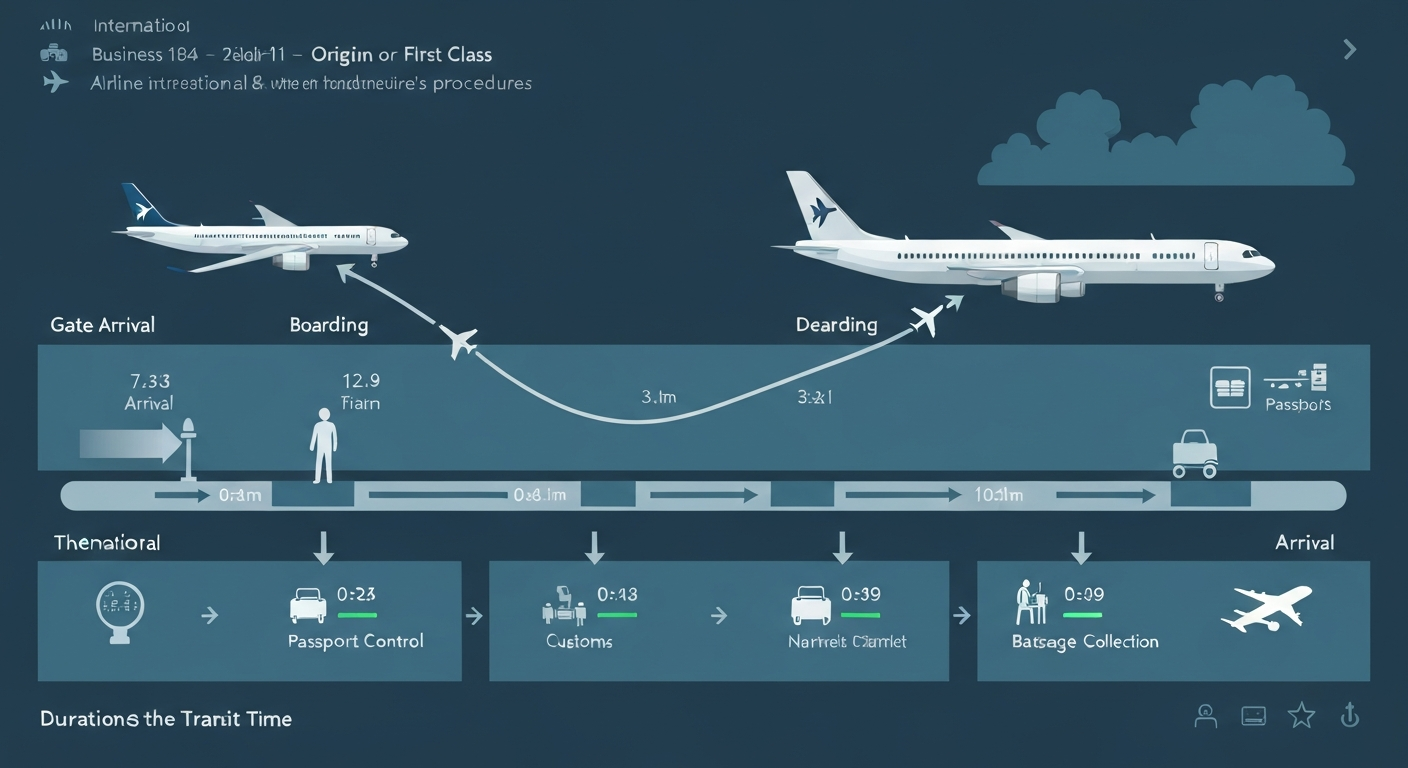
Economy lines often combine truck transport, export sorting, and bulk airfreight. Standard lines use scheduled flights with better frequency. Premium services rely on express carriers with direct lanes. Routing varies by season, airline capacity, and regional demand.
Parcels move through several handover points: seller warehouse → domestic sorting → export hub → airline → destination airport. Each node adds potential waiting time. Weather, flight availability, and airport congestion all influence speed.
Stable origin logistics bring predictability. When goods are consolidated before export, routing becomes more direct and less dependent on scattered supplier schedules. Access to stable airfreight capacity and predictable carrier channels helps maintain steady lead times, even during peak demand. These advantages support consistent inventory planning and customer delivery expectations.
What happens during customs clearance?
Every international shipment must pass customs in the destination country. Customs checks values, HS codes, and import restrictions.
AliExpress parcels typically clear customs within 1–5 days unless extra verification is required.

How customs reviews each shipment
Customs authorities examine the package’s digital declaration submitted by the carrier. They compare the declared value, product description, and HS code. Parcels with vague descriptions, inconsistent values, or sensitive goods may undergo extra screening.
High-risk categories like electronics, batteries, liquids, powders, or branded products often receive closer review. Some destinations require tax ID or additional compliance documents. Missing details can pause the shipment until correct information arrives.
Strong export compliance reduces this risk. Clear product labeling, accurate HS codes, and reliable value documentation help customs process the package quickly. Consolidated export services also allow consistent declarations for multi-item shipments, lowering the chance of inspection or unexpected duty adjustments.
How is last-mile delivery handled?
After clearing customs, the parcel enters the domestic delivery network. Local carriers take over based on service level and delivery region.
Last-mile delivery usually takes 2–7 days depending on domestic carrier workload and address accuracy.

Why last-mile delivery varies
Local carriers must sort parcels by postal code and match the consignee address. Errors in street name, apartment number, or phone details can cause delivery holds. Rural regions require longer transport times, while urban areas are faster.
Domestic carriers work with high volumes during major sales periods. This can extend delivery cycles by several days. Parcels containing high-value items may also require signature confirmation, adding more handling steps.
Origin-side support helps avoid domestic delays. Correct address verification, clear shipping labels, and pre-confirmed contact details reduce the chance of delivery failure. Stable tracking visibility also ensures smoother coordination when delays occur.
Why do AliExpress shipments get delayed?
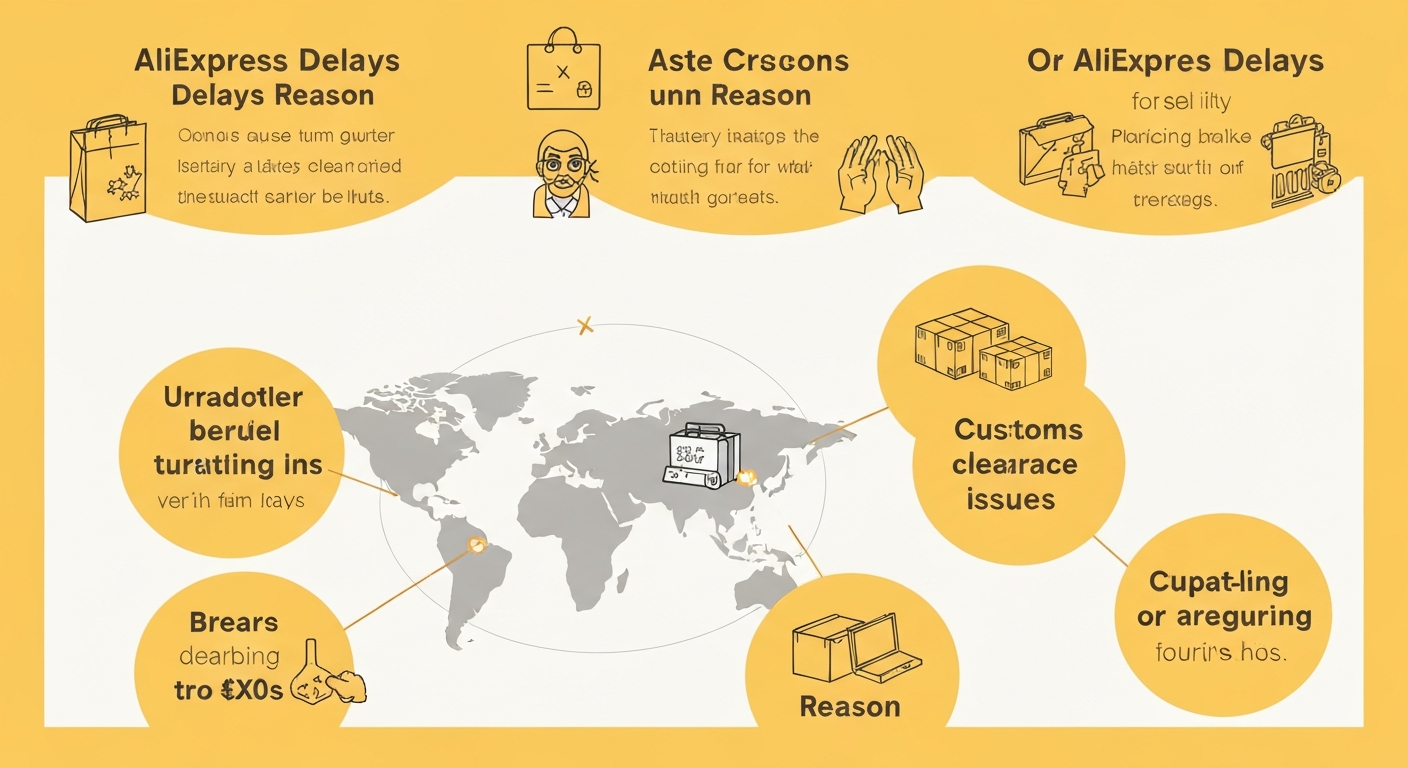
Delays come from seller slowdowns, export congestion, limited airline capacity, customs holds, or domestic carrier backlog.
AliExpress shipments are delayed most often due to peak-season traffic, incomplete information, or routing bottlenecks.
Common delay factors
Several predictable causes lead to extended transport time:
- Sellers take longer to pack and ship
- Export hubs face volume overflow
- Airline schedules shift or flights are full
- Customs requires product verification
- Domestic carriers struggle with seasonal peaks
- Address details are inaccurate or incomplete
Slowdowns stack across the chain. A one-day seller delay can become a three-day transit delay if the parcel misses a scheduled flight. Customs holds add further unpredictability, especially for sensitive goods.
Reliable export preparation helps prevent these issues. Unified packing, correct labeling, and stable routing channels reduce scanning errors and missed flights. Proper documentation and pre-clearance support minimize customs stops. Together, these practices maintain steady movement across all stages.
Conclusion
The AliExpress shipping journey follows a clear path: seller handling, export sorting, international transit, customs, and final delivery. Most parcels arrive within 10–30 days depending on service level and local carrier conditions. Delays usually come from seller preparation, congestion at export hubs, customs verification, or domestic delivery workload. Clean documentation, consolidated routing, and consistent packaging greatly reduce interruptions. When each stage flows in a steady rhythm, overall delivery times stay predictable, planning becomes easier, and supply operations remain stable even during high-traffic seasons. This creates a smoother experience from checkout to doorstep, with fewer surprises and more control over the shipping timeline.
 English
  Chinese