
A shipping cost calculator estimates freight charges based on weight, volume, route, transport mode, and destination customs rules. Accurate data input produces reliable quotes for budgeting and planning.

Clear visibility into each cost component supports stable pricing, predictable timelines, and smooth international movements. The sections below explain the key factors that influence global shipping rates from China.
How does weight and volume affect shipping cost?
Charges are calculated using actual weight and dimensional weight. Carriers use the higher value to set the price.
Shipping cost increases when volume or dimensional weight exceeds the physical scale weight.

Why weight and volume matter
Air carriers apply a dimensional weight formula (L×W×H ÷ 6000 or 5000 depending on the line). Bulky but light goods—like pillows or plastic household items—often cost more due to space consumption rather than weight. Small electronic items, spare parts, and accessories usually fall under actual weight.
Warehouses must measure each carton precisely. Inaccurate dimensions cause re-calculations, price adjustments, or export delays. Oversize cartons may also be rejected by certain lines. Consolidation services help reduce volumetric charges through optimized repacking, tighter carton designs, and palletizing strategies. This keeps overall transportation cost stable and predictable across shipments.
How do transport modes influence pricing?
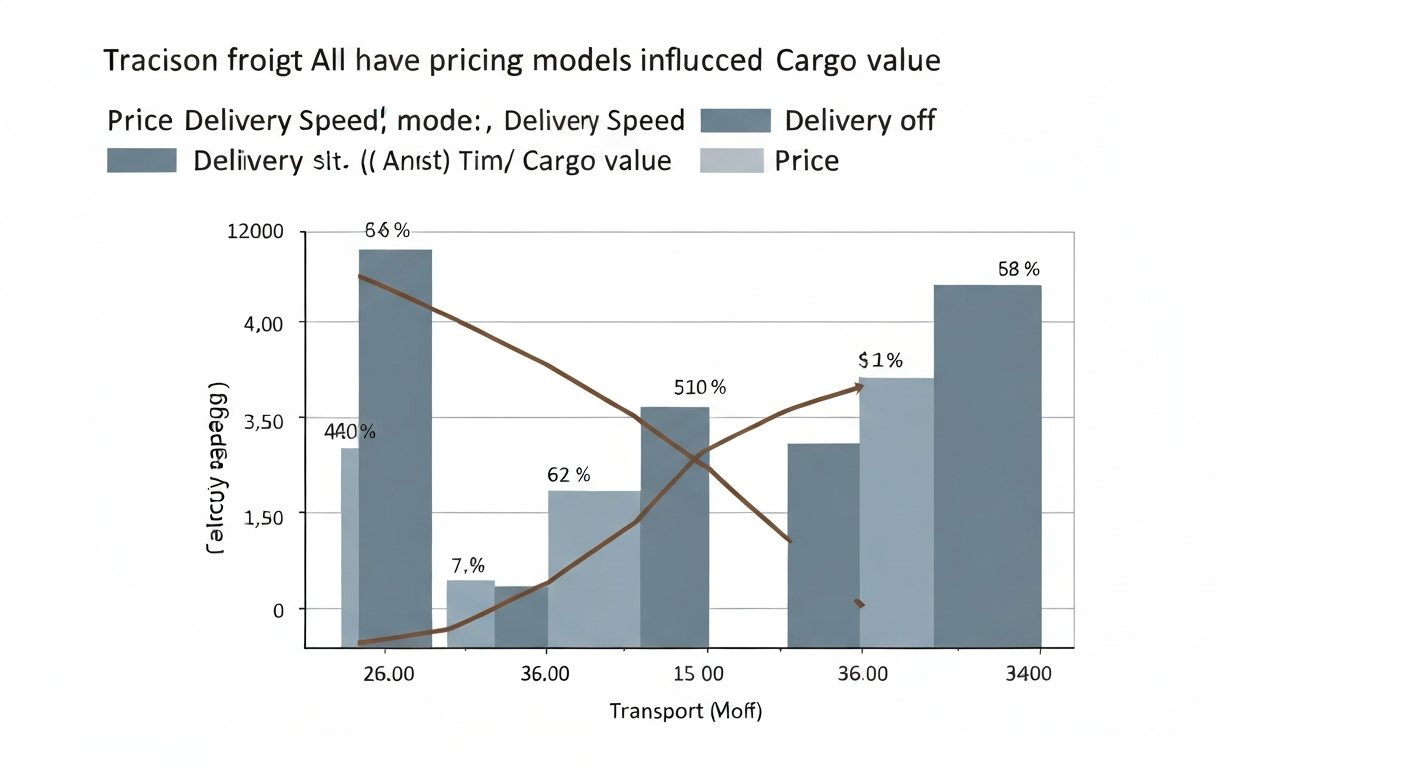
Express, air freight, sea freight, and rail each follow different pricing structures and speed levels.
Express is the most expensive, air freight mid-range, and sea freight the lowest-cost option.
Cost differences explained
Express carriers charge by weight and offer rapid customs handling. Air freight calculates cost per kilogram with airline surcharges added. Sea freight uses container or cubic-meter-based fees, ideal for bulk shipments. Rail offers a balance between air speed and sea price, especially for Europe routes.
Seasonal shifts impact these modes. Q4 peak demand increases air and express rates due to limited aircraft capacity. Sea freight fluctuates with port congestion, fuel charges, and equipment shortages. Stable supply chain planning, fixed-route agreements, and multi-modal options help maintain predictable per-unit shipping cost for ongoing operations.
How do destination rules and customs affect overall cost?
Different countries apply local duties, taxes, and clearance charges that add to total spending.
Total shipping cost rises when destination customs requires additional fees or detailed compliance checks.

How destination fees work
Each country sets its own de minimis threshold, duty percentage, and VAT/GST policy. Some destinations require tax ID or special certificates. Parcels with incomplete documentation often face clearance delays or extra handling fees. Sensitive categories—electronics, batteries, branded goods, liquids—may trigger inspection surcharges.
Consistent documentation, accurate HS coding, and clear item values reduce customs interruptions. Consolidated export services unify declarations for multi-supplier shipments, lowering risk and increasing customs approval speed. Predictable clearance directly reduces unforeseen cost spikes and improves margin stability.
How do shipping routes and carrier selection change cost?
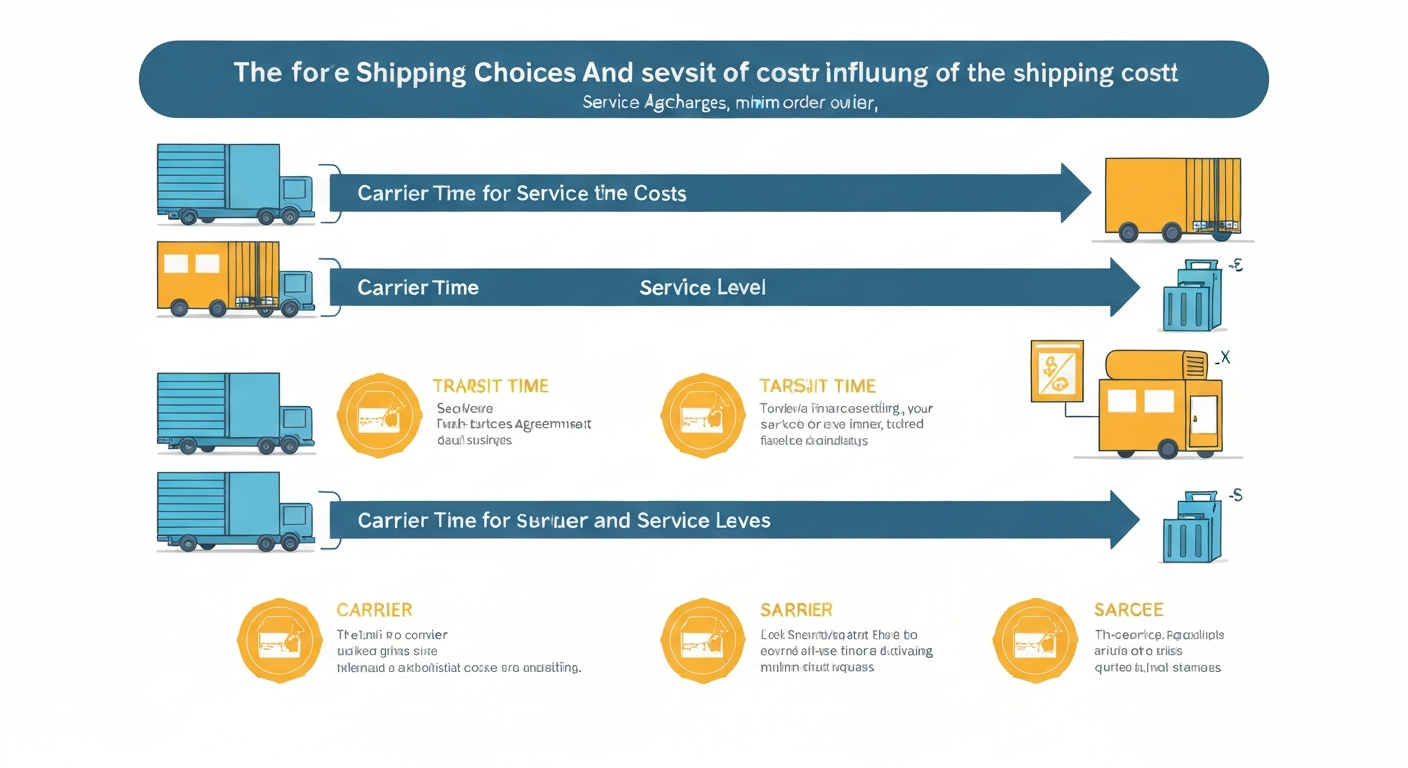
Routes vary by transit time, carrier capacity, and regional infrastructure. Each factor impacts pricing.
Shipping cost changes based on route efficiency, carrier reliability, and availability of direct lanes.
Why routes matter
Direct flights reduce handling but cost more. Transit routes with multiple hubs offer lower prices but increase stopover time. Sea freight lanes through Shenzhen, Ningbo, Qingdao, or Shanghai differ in departure frequency and container availability. Route selection determines whether cargo meets desired timelines or misses sales cycles.
Carrier choice also affects insurance, tracking quality, and potential delay exposure. Stable carrier partnerships and predictable weekly schedules help maintain consistent rates. Route planning through optimized hubs reduces bottlenecks, keeps cargo moving, and supports long-term cost control.
How do extra services change shipping cost?
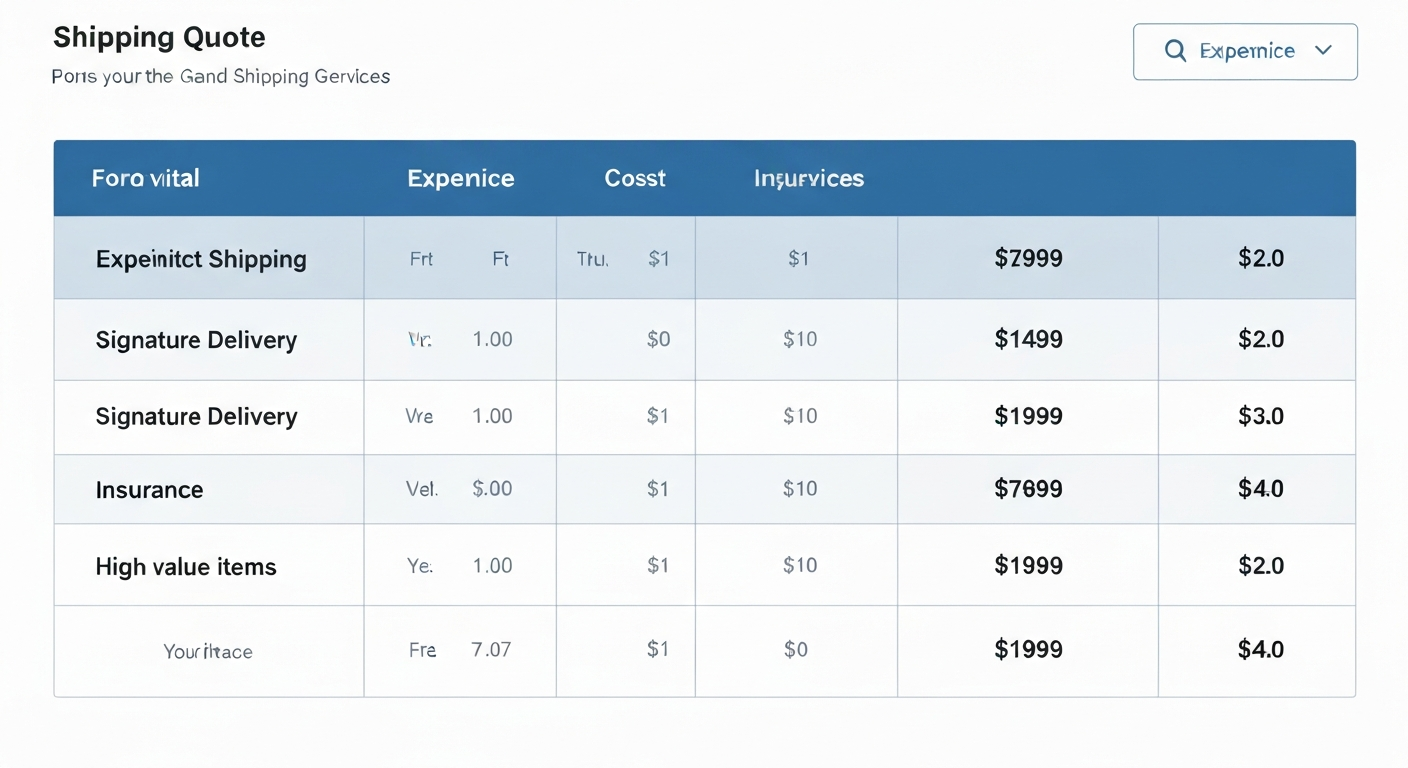
Additional services—insurance, repacking, palletizing, consolidation—add fees but improve transit stability.
Shipping cost increases when value-added services are selected, but these often reduce downstream delays.
Why extra services matter
Insurance protects against loss or damage, especially for high-value goods. Repacking reduces volumetric weight and strengthens cartons for long-distance transport. Palletizing supports FCL/LCL freight stability. Consolidation gathers items from multiple suppliers, cutting duplicate fees and improving export documentation accuracy.
These services reduce risk across the supply chain. Fewer holds, fewer repacks, and fewer customs re-checks lead to smoother delivery and better cost planning. For operations handling diverse product lines, value-added steps maintain transit quality and avoid costly disruptions.
Conclusion
A shipping cost calculator from China depends on weight, size, transport mode, destination rules, route efficiency, and optional services. Accurate data input and consistent export preparation produce stable and predictable quotes. Consolidation, optimized packing, and reliable routing reduce unexpected charges and keep shipments moving through each stage without delays. When every step—from warehouse measurement to customs clearance—follows structured processes, global transportation cost remains controlled, margins stay clear, and international delivery performance becomes more dependable across all markets.
 English
  Chinese