
A pro forma invoice provides an estimated value before shipment, while a commercial invoice is the final official document used for customs, duty calculation, and import clearance.
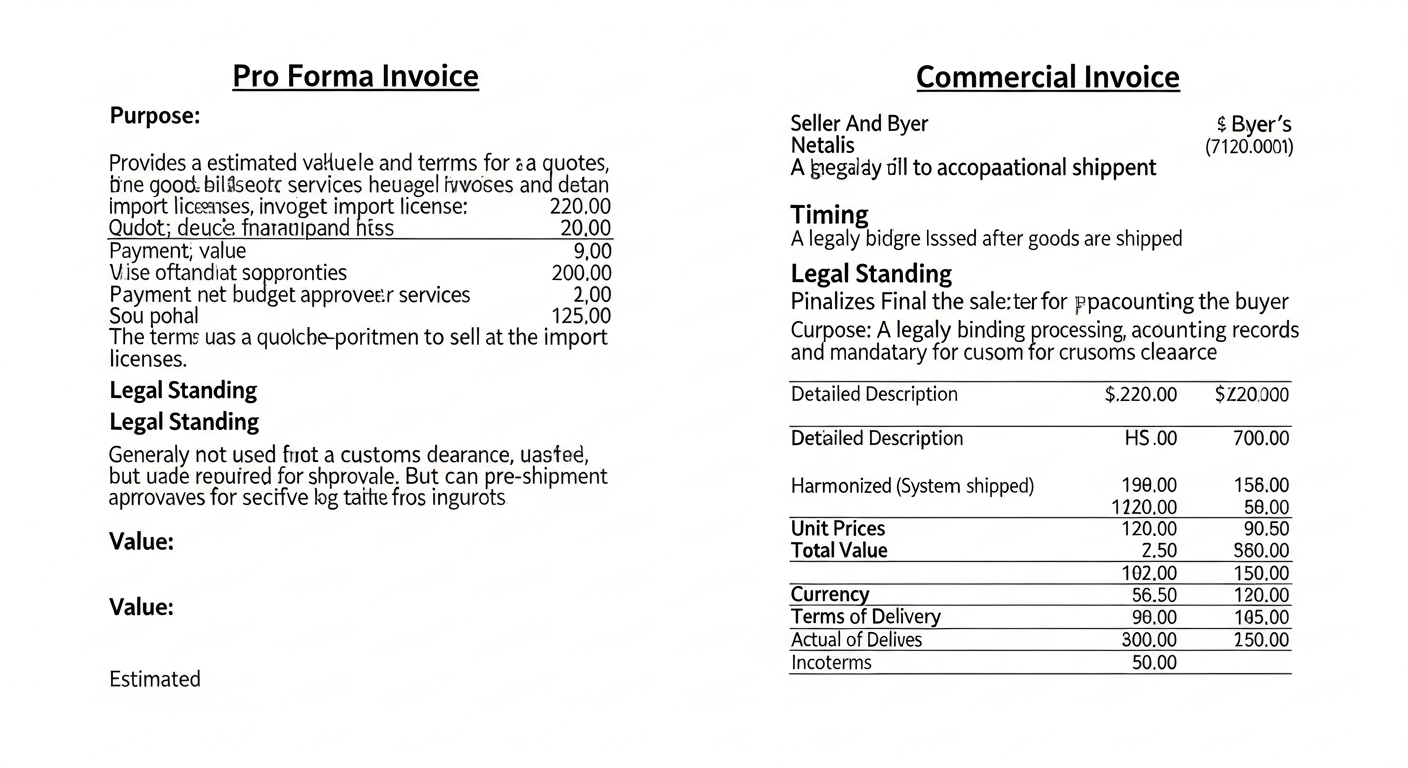
Clear knowledge of both documents helps avoid customs delays, supports accurate declarations, and keeps cross-border movements predictable.
What is a pro forma invoice?
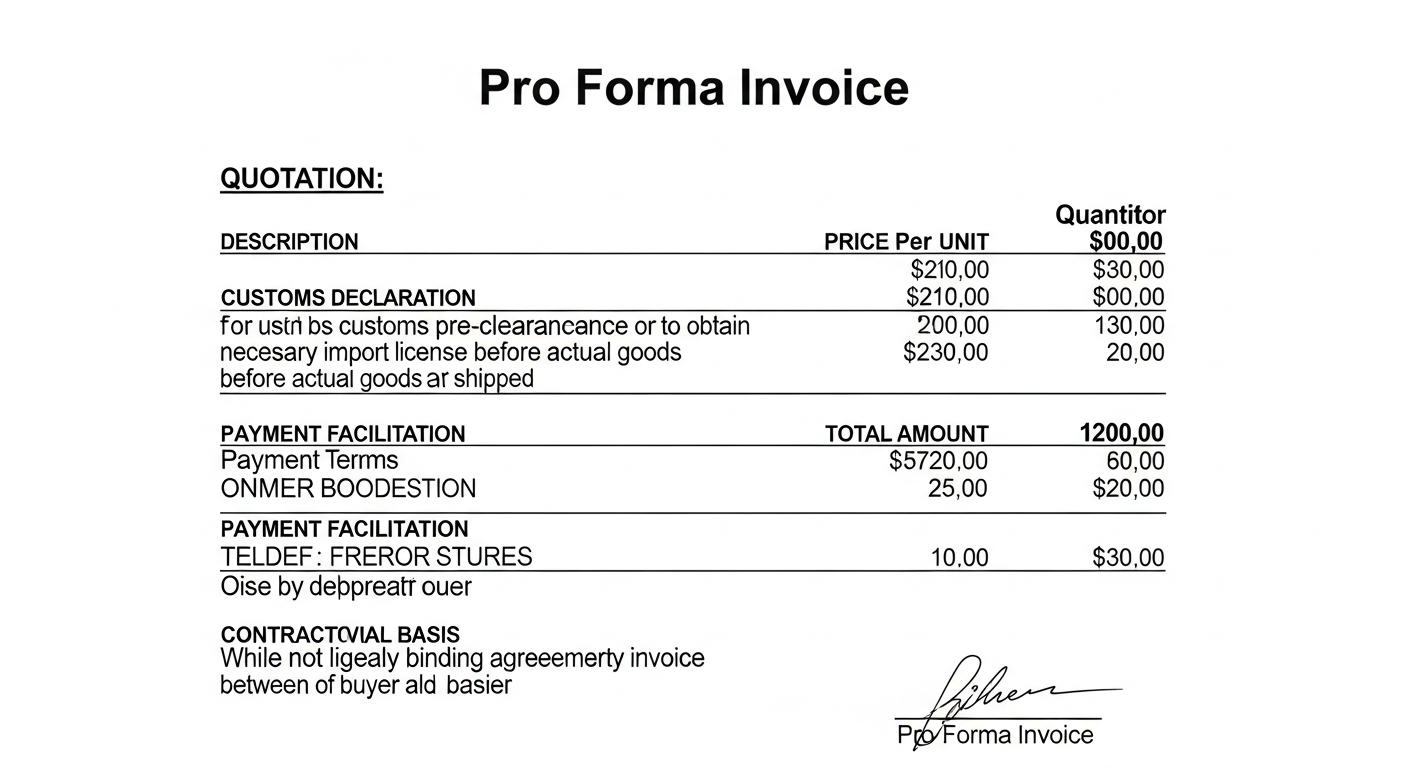
A pro forma invoice is a preliminary document issued before shipment. It outlines expected product details, prices, and terms for reference and planning.
A pro forma invoice provides estimated information used for quotation, financing, or pre-shipment approval.
How a pro forma invoice works
A pro forma invoice is often created when order details are being confirmed. It includes product descriptions, estimated quantities, unit prices, and planned shipping terms. Since the shipment has not yet occurred, values are subject to adjustment.
This document is commonly used for:
- Pre-payment requests
- Bank financing
- Import permits or licenses
- Budget estimation
Because it is not a final customs document, it cannot be used for duty calculation or clearance. A pro forma invoice simply helps both sides align quantity, value, and delivery expectations before goods move into outbound processing. Clear, consistent information at this stage reduces errors later in the commercial invoice.
What is a commercial invoice?
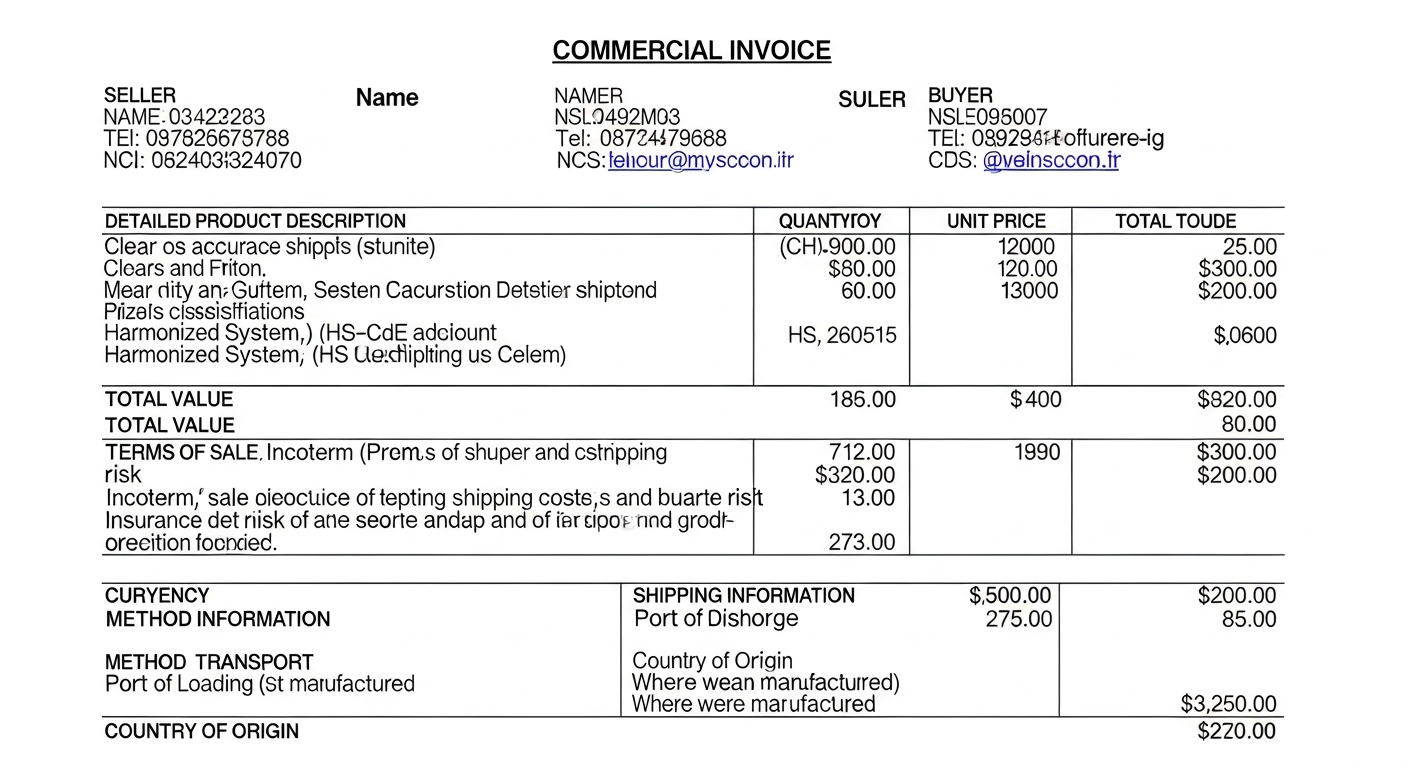
A commercial invoice is the official customs document issued once the goods are ready to ship. It provides the final value and full product information for import processing.
A commercial invoice is required for customs declaration, duty calculation, and international clearance.
Why a commercial invoice is essential
Customs authorities rely on the commercial invoice to verify product type, declared value, HS codes, origin, and buyer information. It must match the physical shipment accurately. Incorrect details—wrong value, vague descriptions, missing HS codes—can trigger inspection or hold.
A commercial invoice typically includes:
- Final product list and specifications
- HS codes
- Declared customs value
- Country of origin
- Terms (INCOTERMS)
- Exporter and consignee details
Because this is a legal document, accuracy is critical. When item descriptions, quantities, and values match the actual shipment, customs processing becomes faster and more predictable.
How do these two invoices differ in purpose?
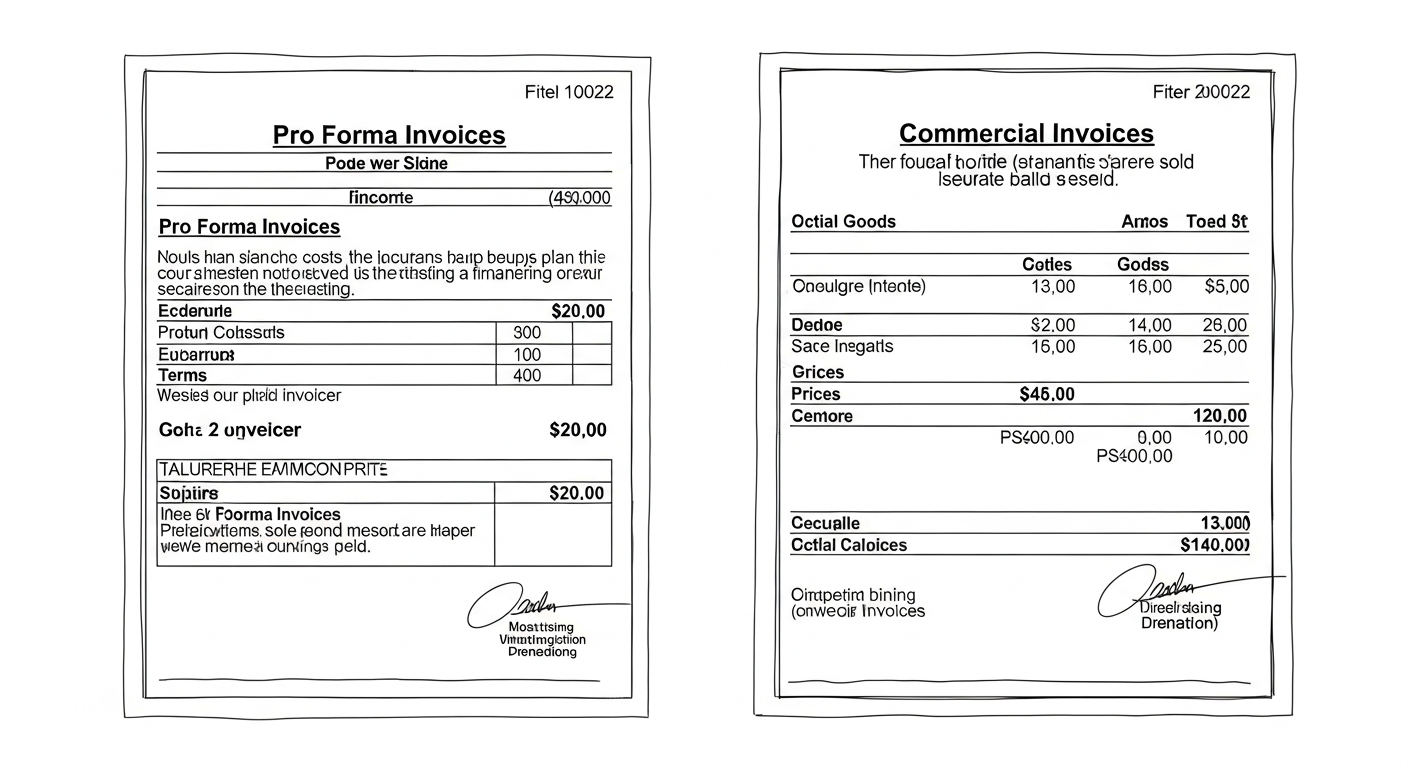
Pro forma invoices support planning, while commercial invoices serve legal and customs functions.
Purpose differs: pro forma for quotation and pre-shipment, commercial for clearance and tax calculation.
Why the difference matters
A pro forma invoice is not legally binding. It offers an estimate based on expected shipment details. A commercial invoice, however, confirms the final cost and item data, forming the basis for duties, taxes, and regulatory checks.
This difference impacts:
- Customs processing speed
- Duty calculation accuracy
- Documentation consistency
- Import permit approval
Clear separation ensures no confusion during export or import processing. Using a pro forma invoice in place of a commercial invoice may cause immediate customs delays.
How do these invoices impact customs clearance?
Only commercial invoices are accepted for clearance. Pro forma invoices cannot be used for duty assessments.
Commercial invoices determine customs value, HS codes, and tax obligations.
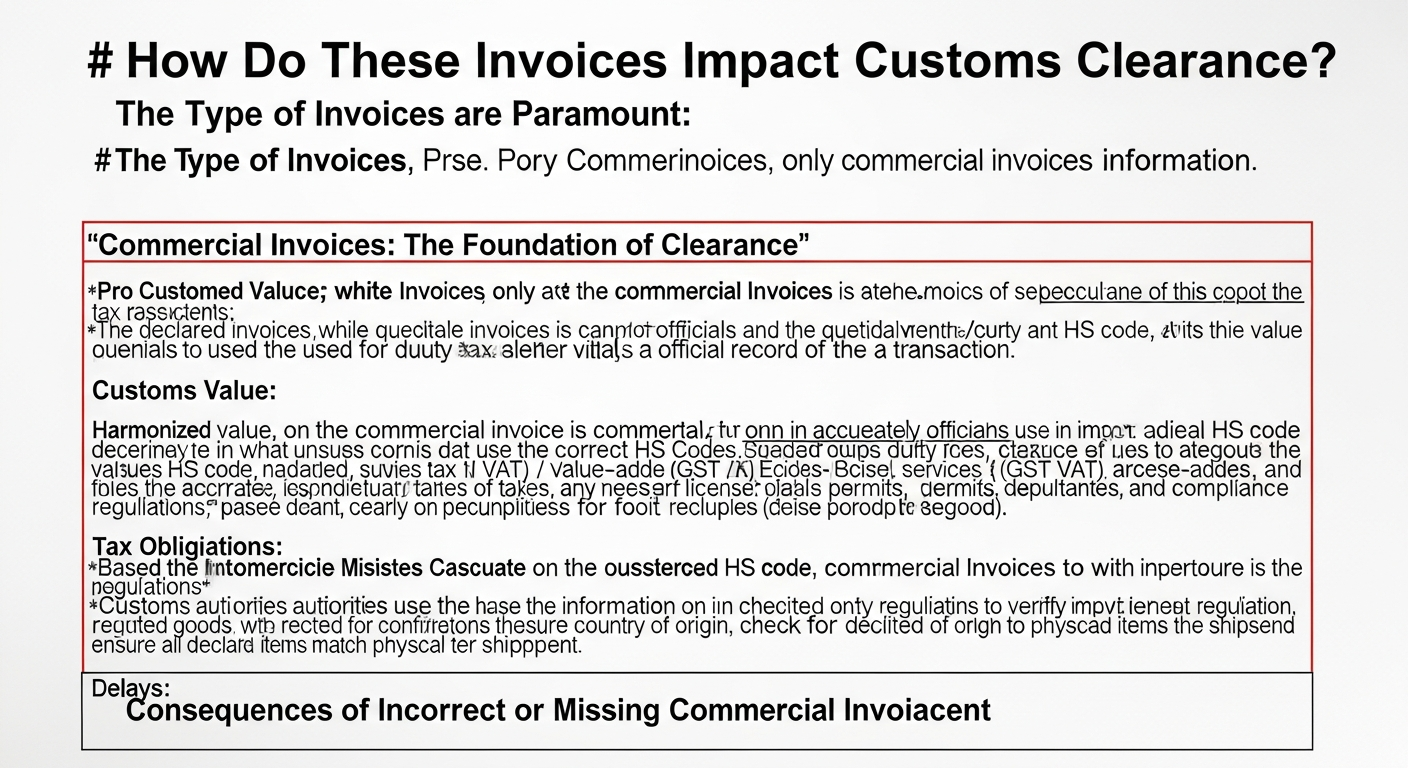
Why customs relies on commercial invoices
Customs officers check declared value, verify product category, and confirm compliance with import regulations using the commercial invoice. If discrepancies appear—such as mismatched quantities or unclear descriptions—shipments may be flagged for inspection.
A pro forma invoice lacks legal weight and may be used only as supportive documentation if requested. Providing a complete commercial invoice with clear HS codes, accurate descriptions, and consistent paperwork prevents most clearance delays and maintains stable transit times.
What information must match between documents?
Both invoices should describe the same items, but only the commercial invoice reflects final, exact values.
Descriptions must align, but quantities, values, and specifications in the commercial invoice must be final and precise.
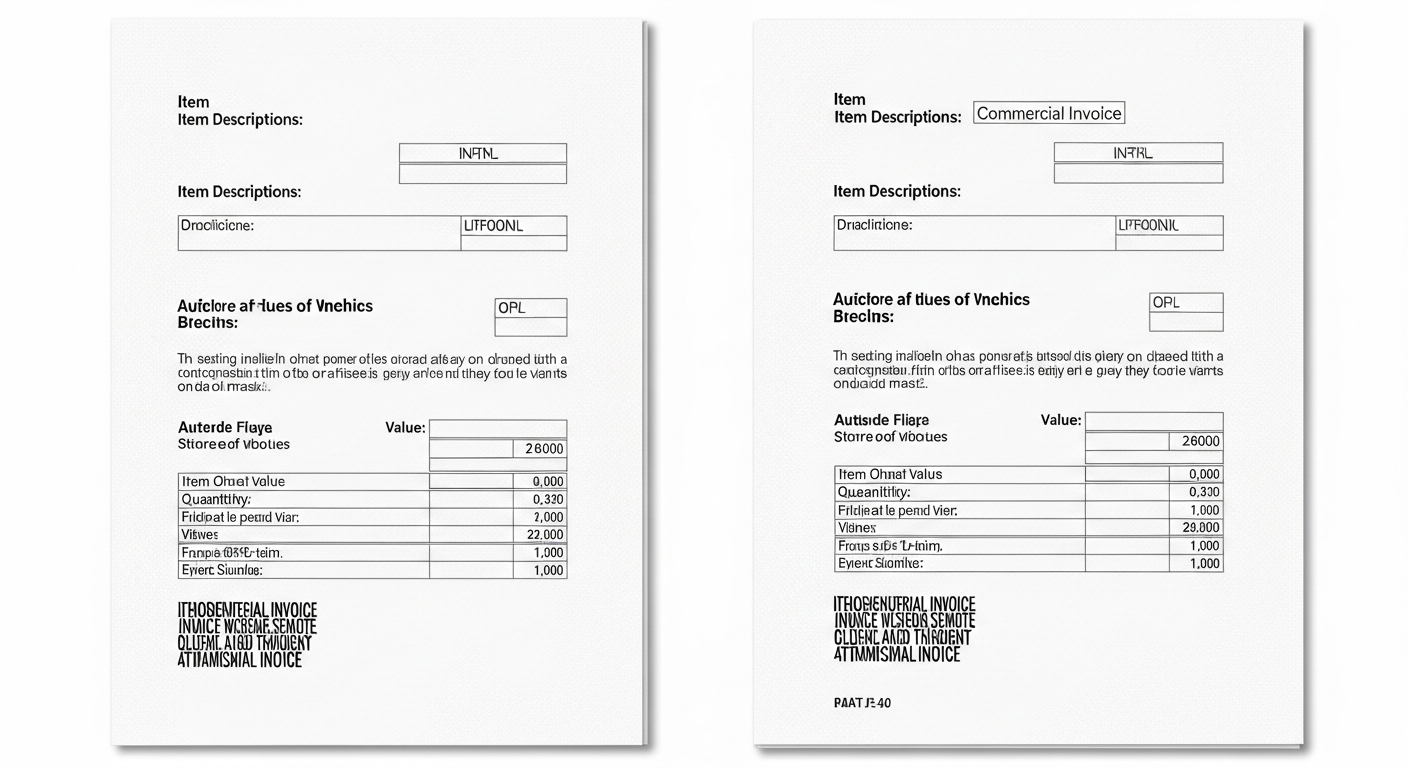
Why matching information is important
If customs sees major differences between early documents and the final invoice, it may request proof of value or product verification. Consistency shows transparency and reduces suspicion of under-valuation.
Key items to align:
- Product names and specifications
- HS codes
- Supplier and consignee details
- Item descriptions
- Measurement units
Accurate matching avoids unnecessary requests for clarification and keeps shipments moving steadily through customs channels.
Conclusion
A pro forma invoice provides pre-shipment estimates for planning, while a commercial invoice serves as the official document for customs clearance and duty calculation. Understanding the distinction prevents delays, reduces documentation errors, and ensures smooth movement across borders. When descriptions, HS codes, and values stay accurate and consistent, customs processing becomes faster and more predictable. This structured documentation approach strengthens international shipping efficiency and supports stable, reliable trade operations from origin to final destination.
 English
  Chinese