
Cash on Delivery (COD) in DHL is a service where the courier collects payment from the recipient at the time of delivery. The payment amount is then transferred to the sender according to DHL’s remittance process. COD is commonly used for e-commerce parcels, B2B deliveries, and regional markets where upfront online payment is less common.
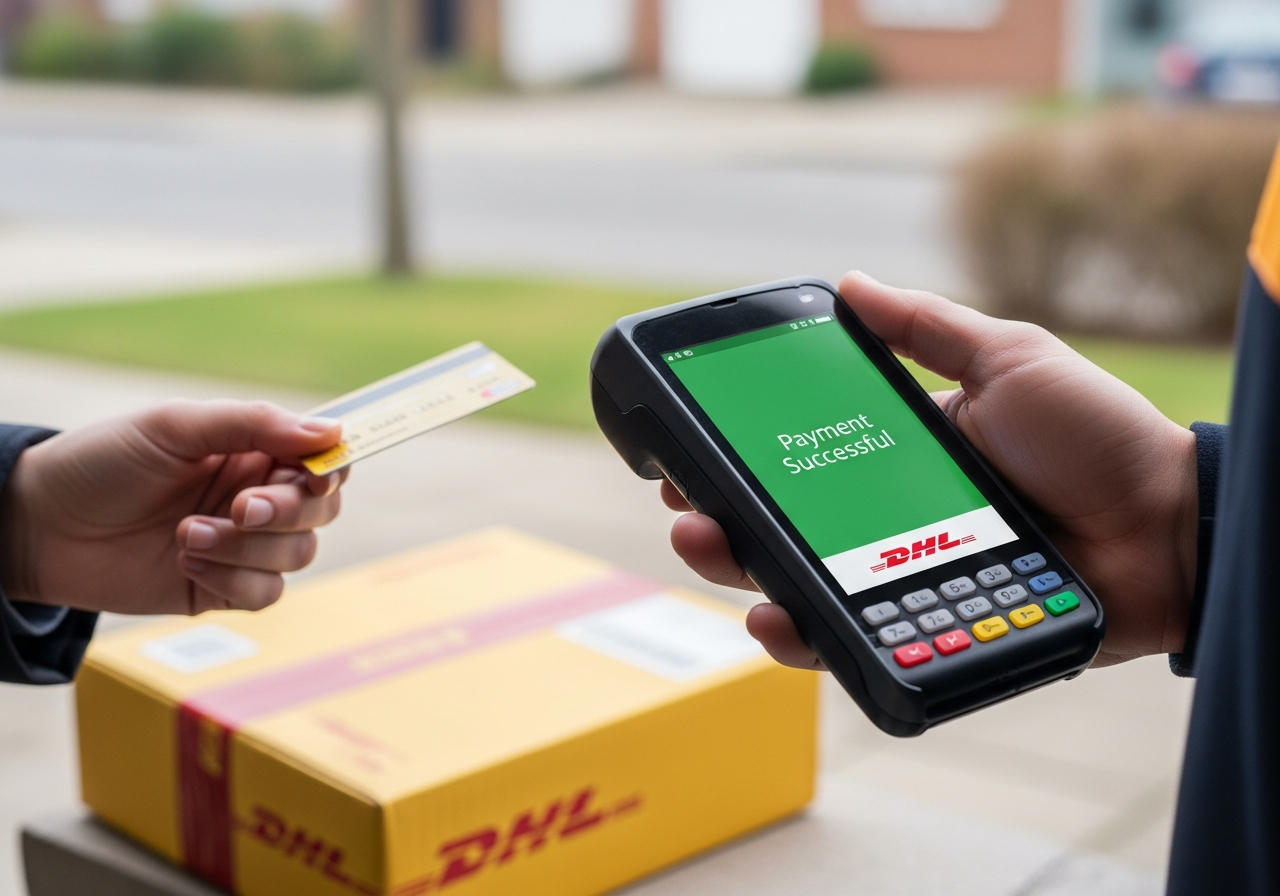
COD provides security for sellers who want guaranteed payment and convenience for buyers who prefer paying only when the shipment arrives. Below is a complete overview of how DHL’s COD service works and what it includes.
What does DHL Cash on Delivery consist of?
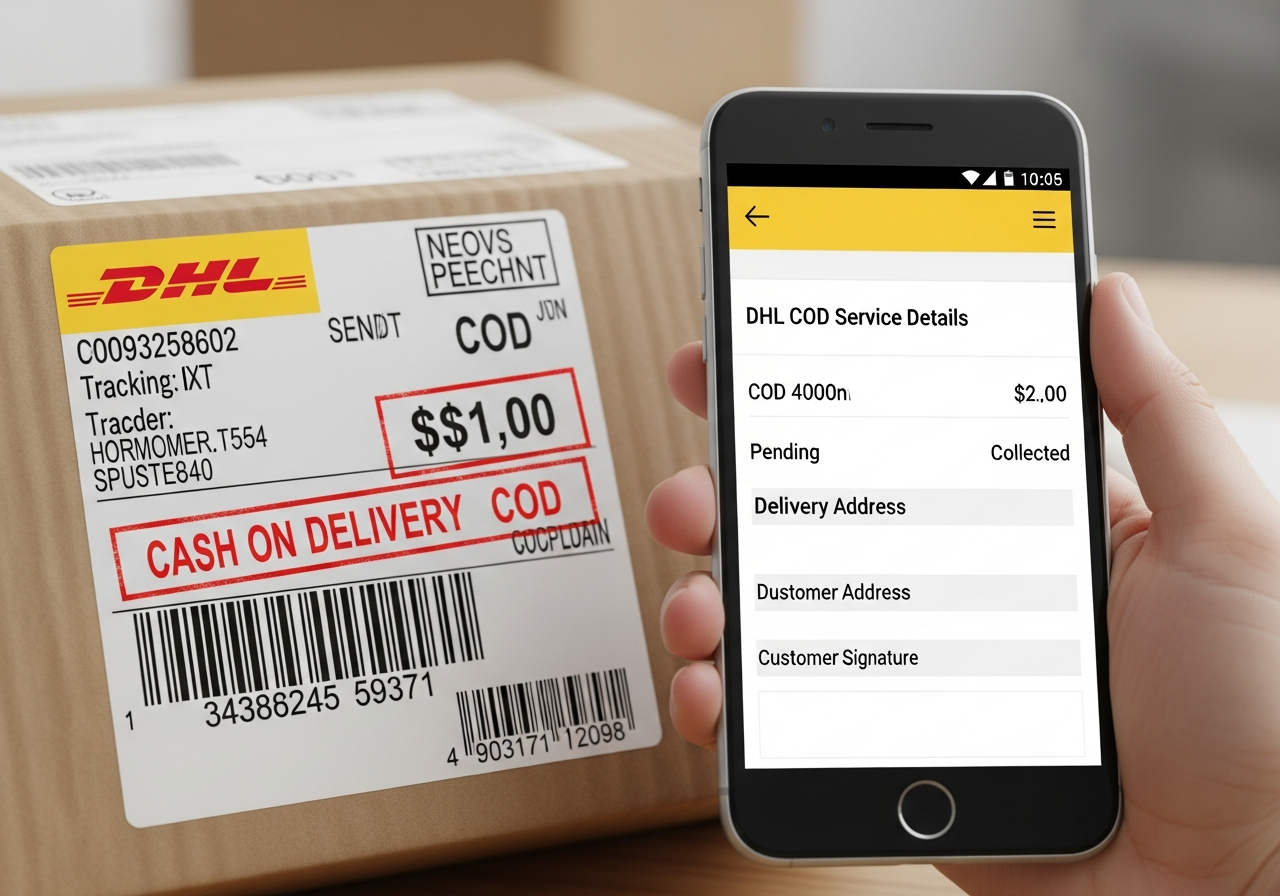
DHL COD includes three core components: payment collection, secure remittance, and delivery confirmation. DHL acts as an intermediary—delivering the parcel while ensuring the agreed payment amount is collected and transferred to the sender.
Key Components of DHL COD
| Component | Description |
|---|---|
| Payment Collection | The courier collects the specified amount at delivery. |
| Remittance to Sender | DHL sends the collected funds to the sender’s account. |
| Delivery Confirmation | Proof of delivery is recorded with the payment status. |
COD terms, accepted payment types, and remittance schedules vary by region and DHL service level.
What payment methods does DHL accept for COD shipments?
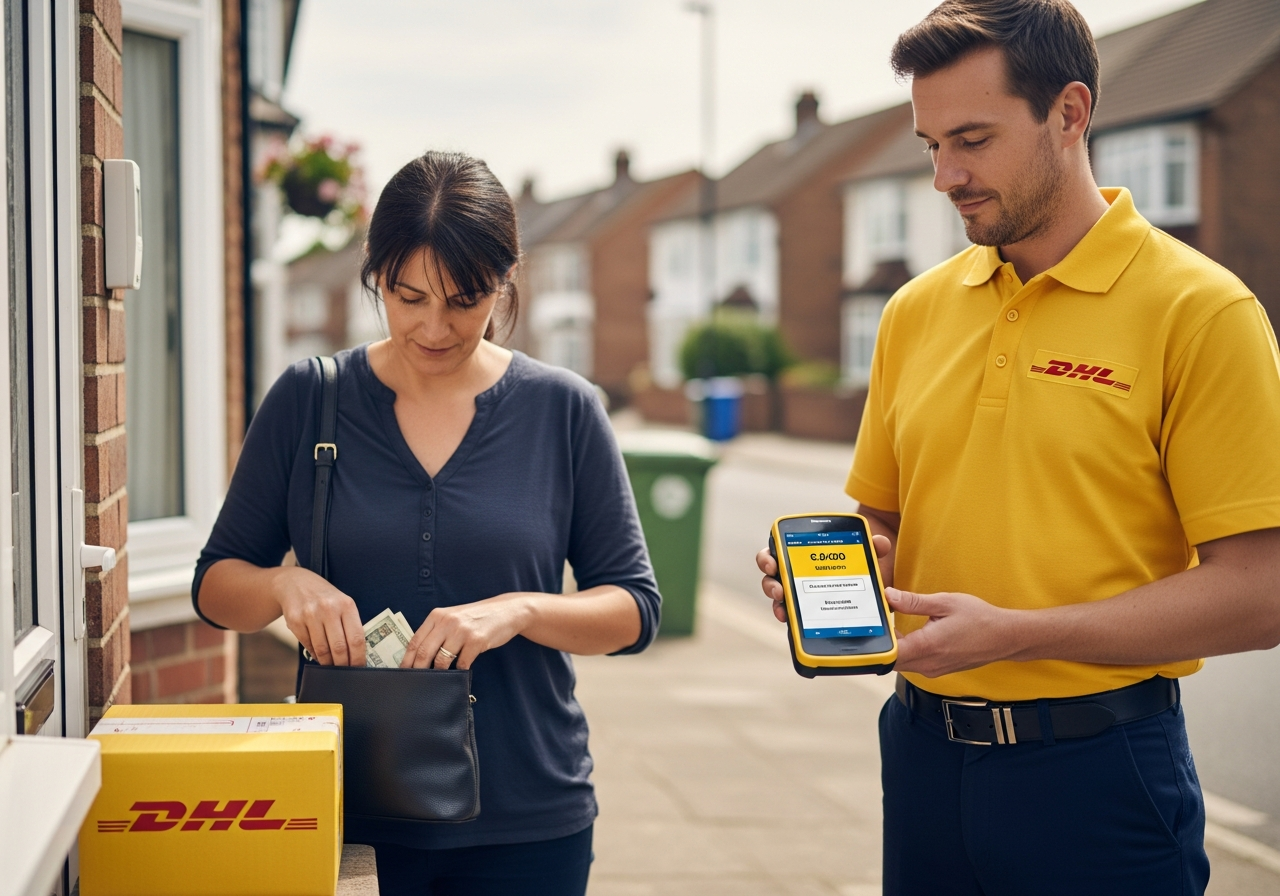
Accepted payment methods depend on the destination country and DHL operational rules.
Commonly Accepted Payment Types
- Cash
- Debit card payments (POS terminals in some regions)
- Local digital payment systems (selected markets)
Not all DHL branches accept credit cards for COD, and some regions operate cash-only policies.
How does the COD delivery process work?
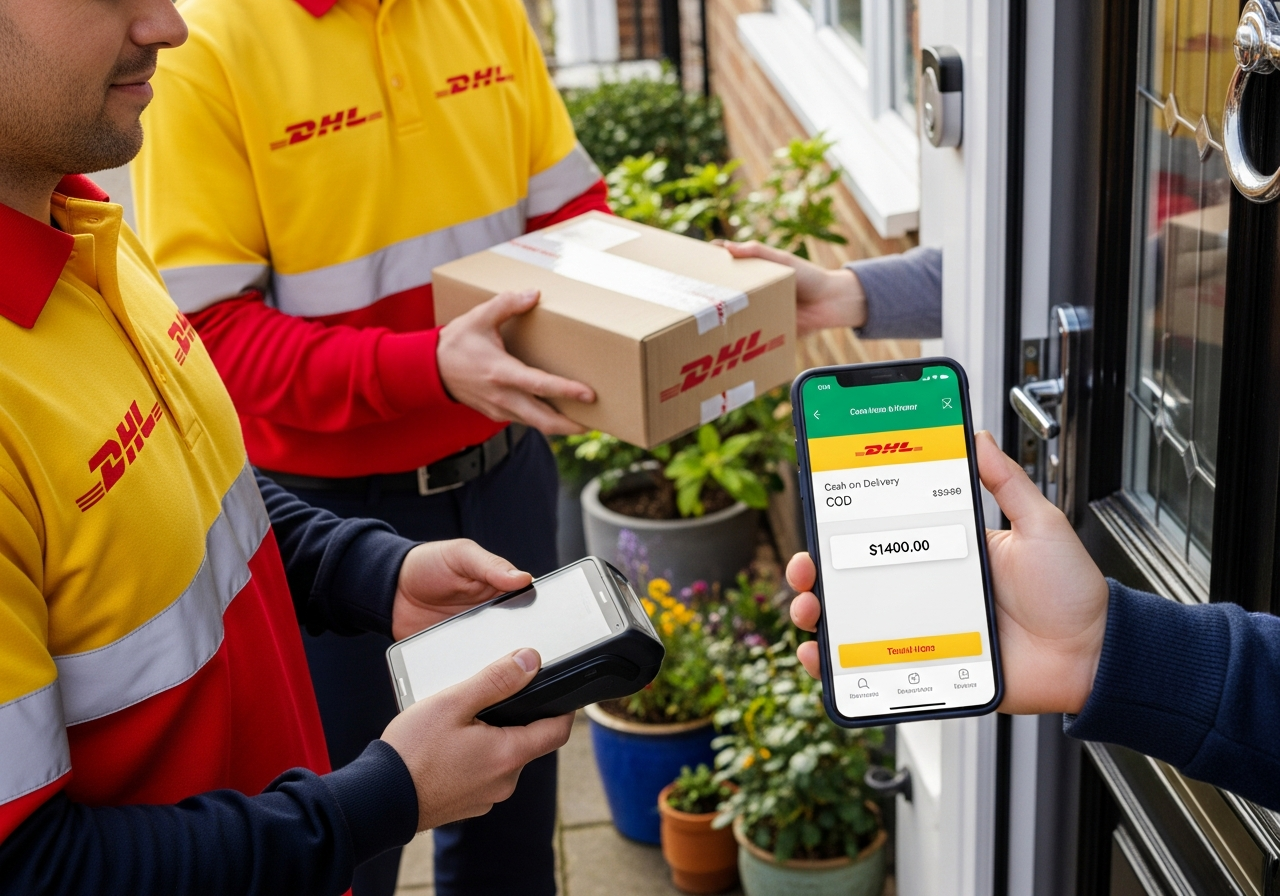
COD shipments follow a structured workflow designed to ensure secure handling of both the parcel and collected funds.
Typical DHL COD Workflow
- Sender ships parcel using DHL COD service and sets the exact amount to collect.
- Parcel travels through DHL’s network to the destination center.
- Courier attempts delivery and collects the specified amount.
- Recipient pays, and the courier completes payment confirmation.
- DHL remits payment to the sender within the defined settlement period.
If the recipient cannot pay at delivery, DHL marks the shipment as “Payment Not Collected” and may attempt redelivery or return the parcel depending on the sender’s preferences.
What happens if the COD payment cannot be collected?
DHL policy requires payment before a COD parcel is handed over. If payment fails, the shipment is not released.
Possible Outcomes
- Redelivery attempt
- Hold at DHL facility waiting for payment
- Return to sender (RTS) if the payment issue persists
COD return charges may apply depending on the sender’s contract.
How long does DHL take to remit COD funds to the sender?
Remittance times vary by region and by the sender’s DHL agreement.
Typical Remittance Timeframes
- 2–7 business days for domestic COD
- 5–14 business days for international COD
Detailed remittance statements are provided once funds are transferred.
Benefits of using DHL COD for sellers
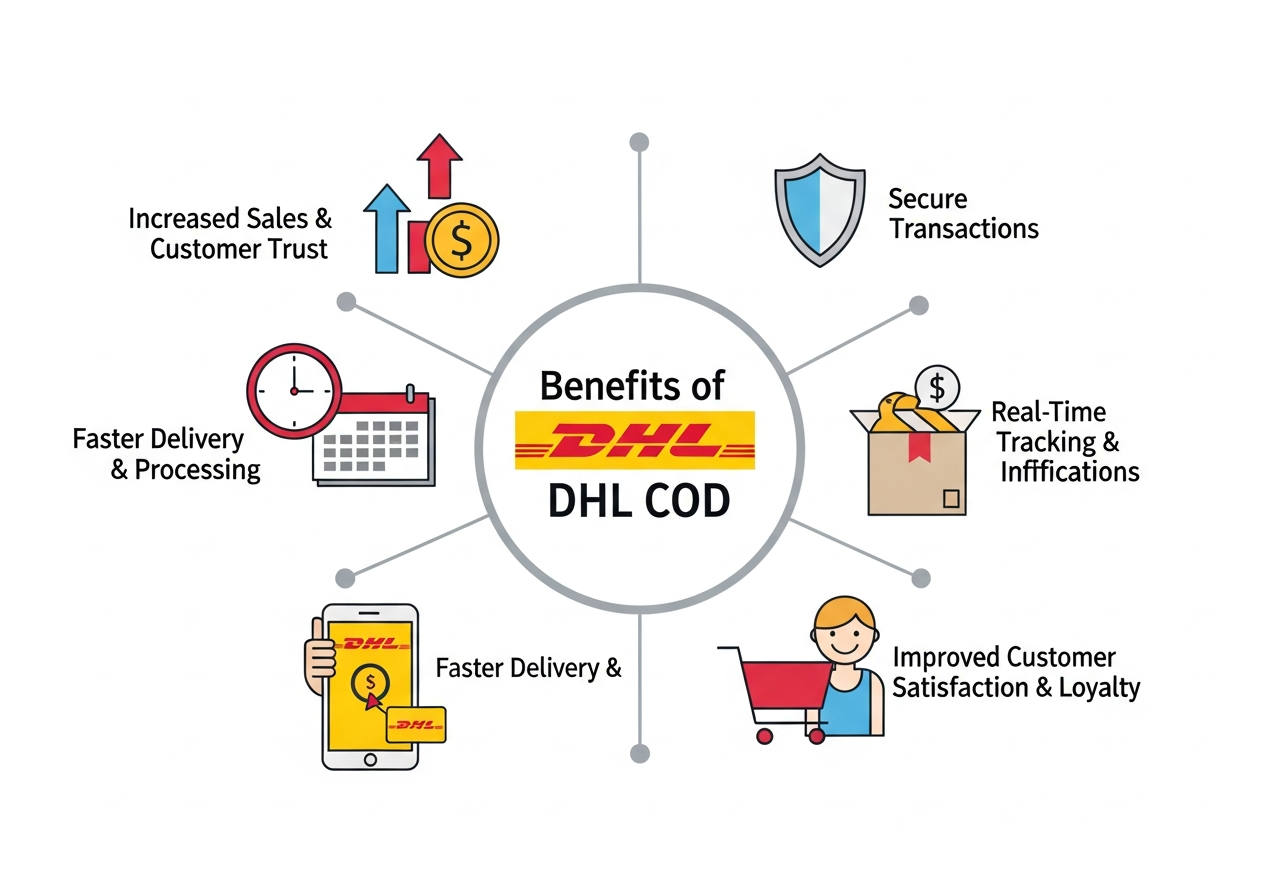
COD offers several advantages for businesses that want secure transactions and reduced payment risk.
Key Advantages
| Benefit | Explanation |
|---|---|
| Guaranteed payment upon delivery | No release of goods without payment |
| Reduced fraud for sellers | Payment collected physically |
| Customer convenience | Useful in markets with limited card usage |
| Better conversion for new buyers | Increased trust in first-time purchases |
Limitations and considerations of DHL COD
While COD is useful, it comes with operational constraints.
Common Limitations
- Not available in all countries
- Restricted for international shipments in some regions
- Higher return risk if recipients refuse to pay
- Additional COD fees may apply
For smooth operations, clear communication between seller and buyer is essential before shipping a COD parcel.
Conclusion
DHL Cash on Delivery shipping consists of secure payment collection, structured remittance, and delivery confirmation. This service enables recipients to pay at the doorstep while ensuring that sellers receive guaranteed payment through DHL’s financial handling system. COD remains valuable in markets where upfront online payments are less common, offering trust, convenience, and a clear risk-control mechanism for both sides.
With proper setup and awareness of service rules, DHL COD can support e-commerce growth, strengthen buyer confidence, and streamline last-mile transactions across multiple regions.
 English
  Chinese