
In shipping, ARO means “After Receipt of Order.” It refers to the timeline that begins once a supplier officially receives, confirms, and accepts a customer’s purchase order. Lead times, production schedules, and delivery commitments are usually calculated based on ARO.

first learned about ARO when handling bulk apparel shipments for an overseas buyer. The supplier kept saying “Lead time: 15 days ARO,” but the buyer assumed the clock started when they sent the PO—not when the factory accepted it. That misunderstanding caused a one-week delay. Since then, I explain ARO clearly to every importer I work with.
What does ARO technically mean in shipping and logistics?

Importers often misread timelines because they assume lead time starts the moment they send payment or issue a PO.
ARO means the supplier begins processing your order only after they receive and confirm your purchase order. Production, packing, and shipping schedules follow this point—not the date you sent the request.
Why ARO matters in the logistics workflow
ARO is a coordination anchor. Manufacturers only commit resources—raw materials, labor slots, packaging—after acknowledging the order. In 2025, most suppliers use ERP systems that trigger production, QC tasks, and carton planning only after ARO is logged.
How ARO fits into the process
| Step | What Happens |
|---|---|
| Buyer issues PO | Request sent but not yet accepted |
| Supplier reviews PO | Confirms specs, pricing, lead time |
| Supplier accepts PO (ARO) | Production countdown begins |
| Manufacturing starts | Cutting, printing, assembly |
| QC + Packing | Carton measurement, labeling |
| Shipment released | Freight forwarder receives cargo |
As a freight forwarder at CUSTOM LOGISTICS, I see how delayed ARO confirmations affect vessel cut-off times, air freight bookings, and consolidation plans. We often step in to coordinate suppliers so buyers don’t lose a week waiting for ARO acknowledgment.
How does ARO affect production and lead time?
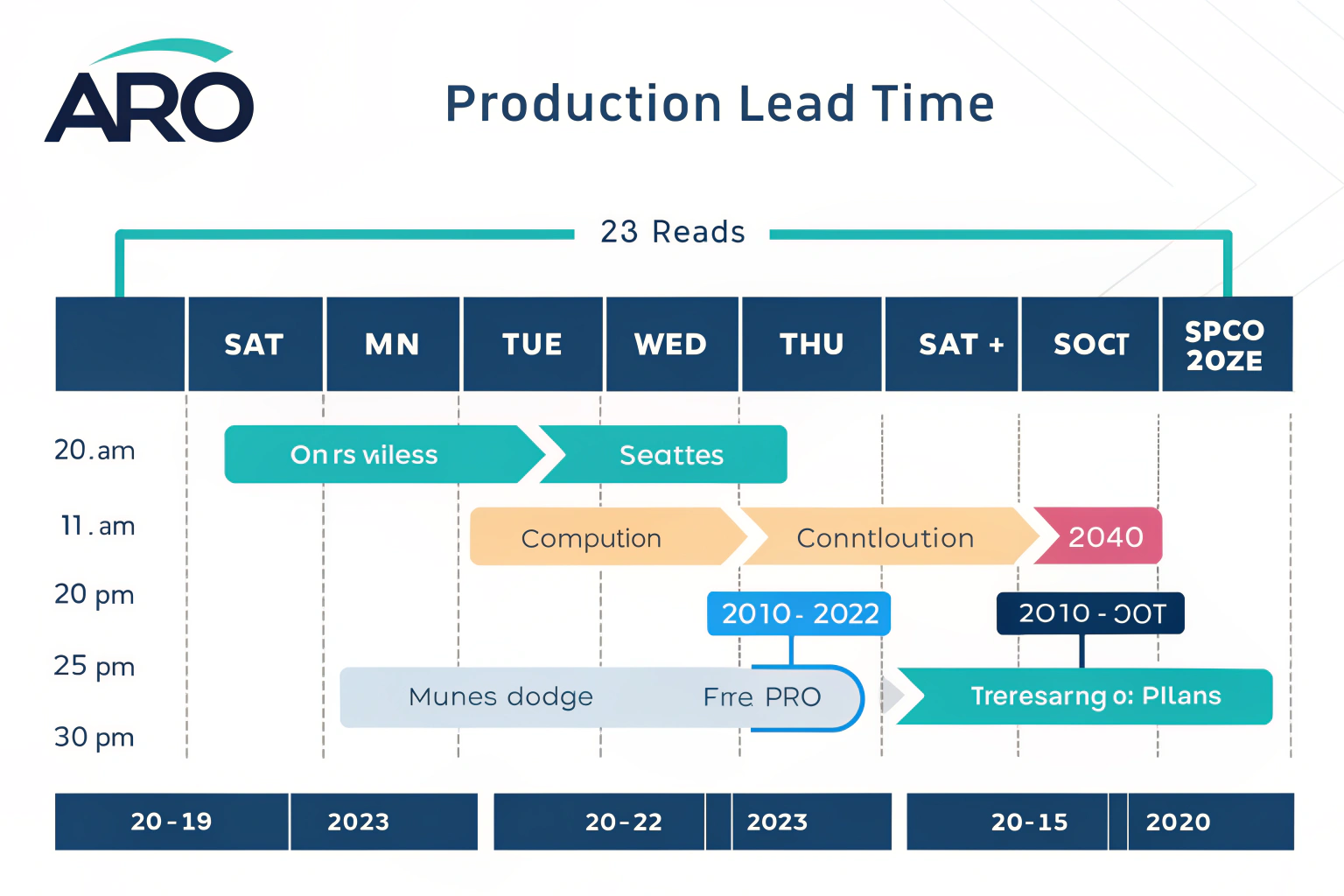
Buyers sometimes think “10 days ARO” means a guaranteed delivery date. It doesn’t.
“10 days ARO” means the factory needs 10 working days after receiving the order to finish production, not including shipping time.
Why factories calculate time based on ARO
Factories need a fixed reference to manage capacity. They cannot schedule workers or book raw materials before confirming the order. This ensures production accuracy and prevents wasted resources.
Key lead-time components affected by ARO
| Component | Based on ARO? | Why |
|---|---|---|
| Raw material ordering | Yes | Suppliers only purchase fabric/components after confirmation |
| Production scheduling | Yes | Machines and lines are assigned post-ARO |
| Quality inspection | Yes | QC teams follow the ARO calendar |
| Packing + carton prep | Yes | Final stage depends on production finish |
Importers shipping from multiple Chinese suppliers face an additional risk: if one supplier delays ARO, the entire consolidation timeline slips. We help clients by pushing suppliers for fast confirmation, synchronizing ARO dates, and adjusting consolidation windows to avoid expensive partial shipments.
How do shipping carriers and freight forwarders use ARO?
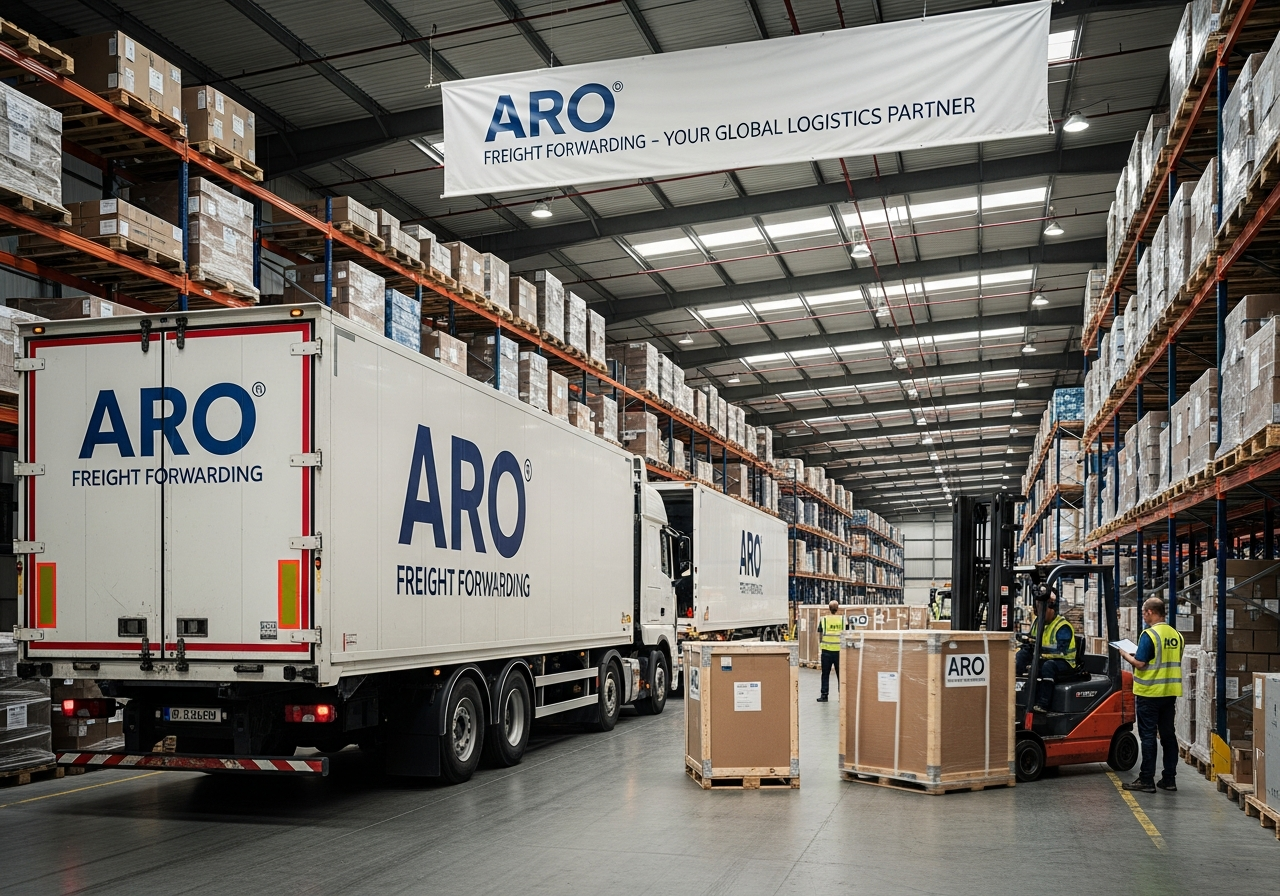
Carriers don’t use ARO directly, but freight forwarders do.
Forwarders rely on ARO to plan cargo readiness, trucking pickups, warehouse consolidation, and cut-off scheduling.
For logistics providers, ARO determines when cargo will physically be ready for export.
Why ARO is critical for shipping coordination
If a supplier sets “7 days ARO” and your vessel sails in 6 days, you may miss the ship entirely. That’s why understanding ARO prevents delays and extra costs.
ARO’s impact on logistics
| Area | Impact |
|---|---|
| Consolidation deadlines | All suppliers must match ARO schedules |
| Trucking pickup | Cannot dispatch trucks before cargo is ready |
| Port/Vessel booking | Requires accurate readiness dates |
| Air freight planning | Critical for tight delivery windows |
At CUSTOM LOGISTICS, we sync ARO schedules from all suppliers into one timeline. This avoids the classic issue where one late supplier forces buyers to split shipments—doubling freight cost.
What are common misunderstandings about ARO?

Clients often assume ARO is the same as PO date or payment date.
But ARO starts only when the supplier formally accepts the order, sometimes after reviewing specs, materials, or branding requirements.
Why confusion happens and how to avoid it
Miscommunication happens when suppliers delay acknowledgment, or when buyers expect production to start immediately.
Frequent misunderstandings
- “I sent the PO yesterday” → but supplier has not confirmed
- “Production should already start” → but materials are not ordered yet
- “Why is the lead time longer?” → ARO was delayed 3–4 days
- “Why did we miss the ship?” → inaccurate ARO made planning impossible
We advise clients to request a written ARO confirmation from each supplier. This simple step prevents weeks of delay in multi-supplier shipments.
How can importers manage ARO timelines effectively?
Experienced importers track ARO formally to avoid confusion.
The best method is to require suppliers to confirm ARO in writing and align lead times, shipping dates, and consolidation windows.
Effective ARO management checklist
- Get written order confirmation
- Request estimated completion date based on ARO
- Align ARO dates across all suppliers
- Share ARO schedule with your freight forwarder
- Adjust shipping bookings based on actual ARO timelines
At CUSTOM LOGISTICS, we coordinate ARO dates on behalf of buyers—especially those with multiple factories in China. We verify when each supplier confirms ARO, push for timely production, and adjust export schedules to avoid missed flights, vessel rollovers, or emergency air shipments.
Conclusion
ARO—After Receipt of Order—is a key concept in shipping and production. It marks the moment a supplier accepts your order and starts the clock on manufacturing and shipping preparation. Understanding ARO prevents misunderstandings, keeps your lead times accurate, and ensures smooth logistics.
For importers working with multiple Chinese suppliers or sensitive product lines, aligning ARO across factories is essential. At CUSTOM LOGISTICS, we help clients manage ARO confirmations, consolidate shipments, prepare export documents, and keep the supply chain moving on time. With the right ARO management, every stage—from order to production to delivery—becomes predictable, efficient, and stress-free.
 English
  Chinese