
DDP and DDU define who is responsible for duties, taxes, and final delivery. DDP includes doorstep delivery with duties paid, while DDU requires the receiver to handle import charges.
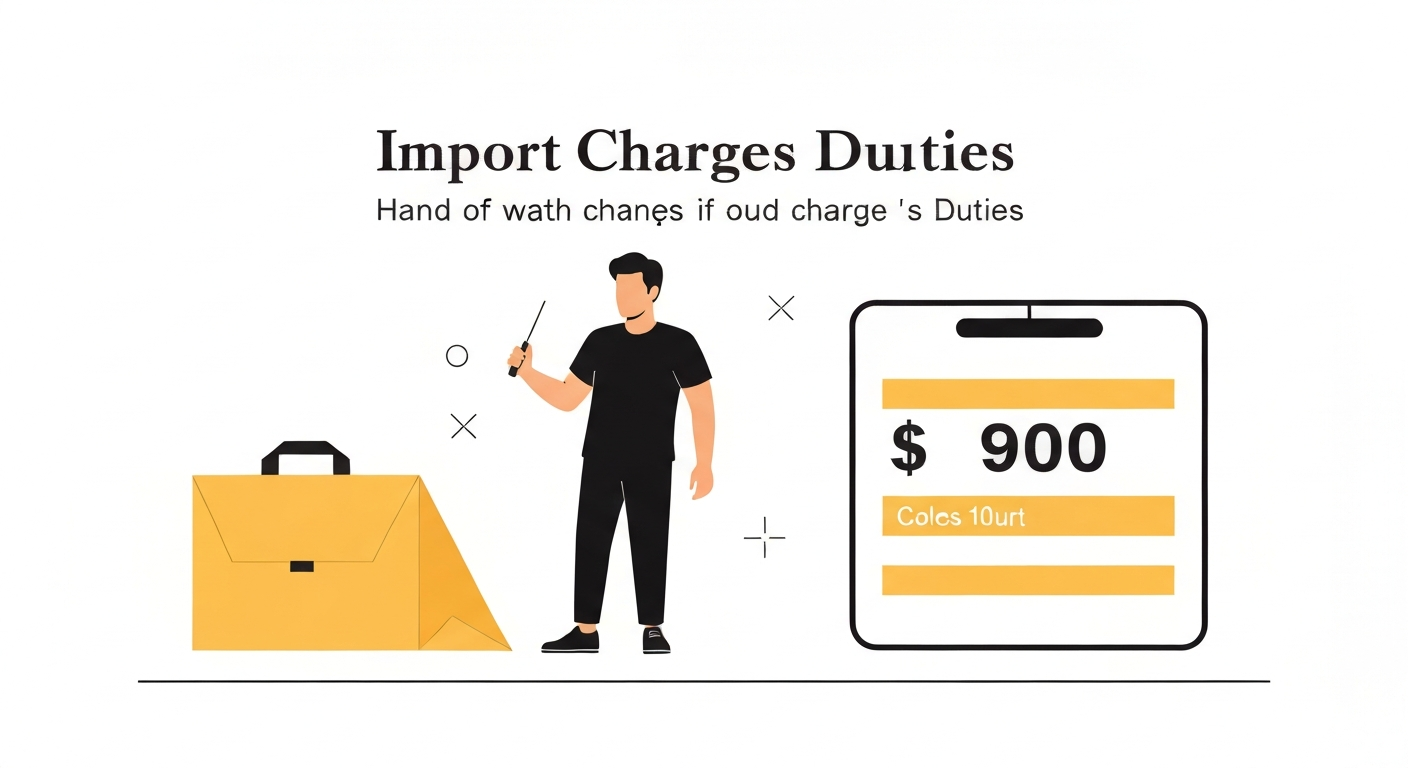
Clear understanding of these Incoterms helps prevent unexpected costs, customs delays, and delivery complications in international shipping.
What is DDU in international shipping?
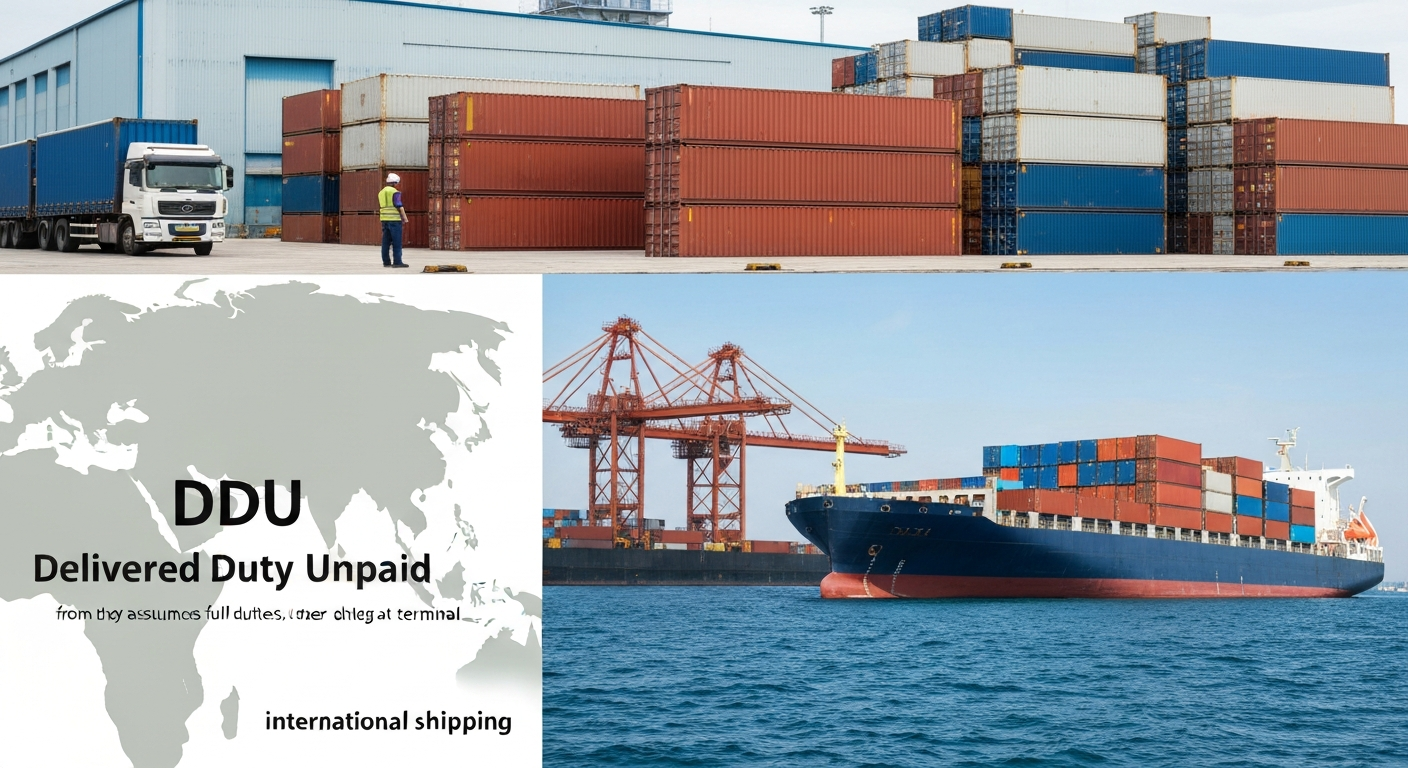
DDU (Delivered Duty Unpaid) means goods arrive in the destination country, but duties and taxes are unpaid.
Under DDU, the receiver pays customs charges before final delivery is completed.
How DDU works
With DDU, the shipper handles export preparation, freight charges, and delivery to the destination country. Once cargo arrives, customs assesses duties, taxes, and clearance fees. These charges must be paid by the receiver before the shipment is released.
This method often causes delays if the receiver is unaware of required documents, local tax rules, or handling fees. Customs may hold the shipment until payment is completed. DDU works best when the receiver is familiar with local clearance requirements and can manage customs processing without difficulty.
Reliable documentation—clear invoices, correct HS codes, and accurate values—helps reduce clearance issues when using DDU.
What is DDP in international shipping?
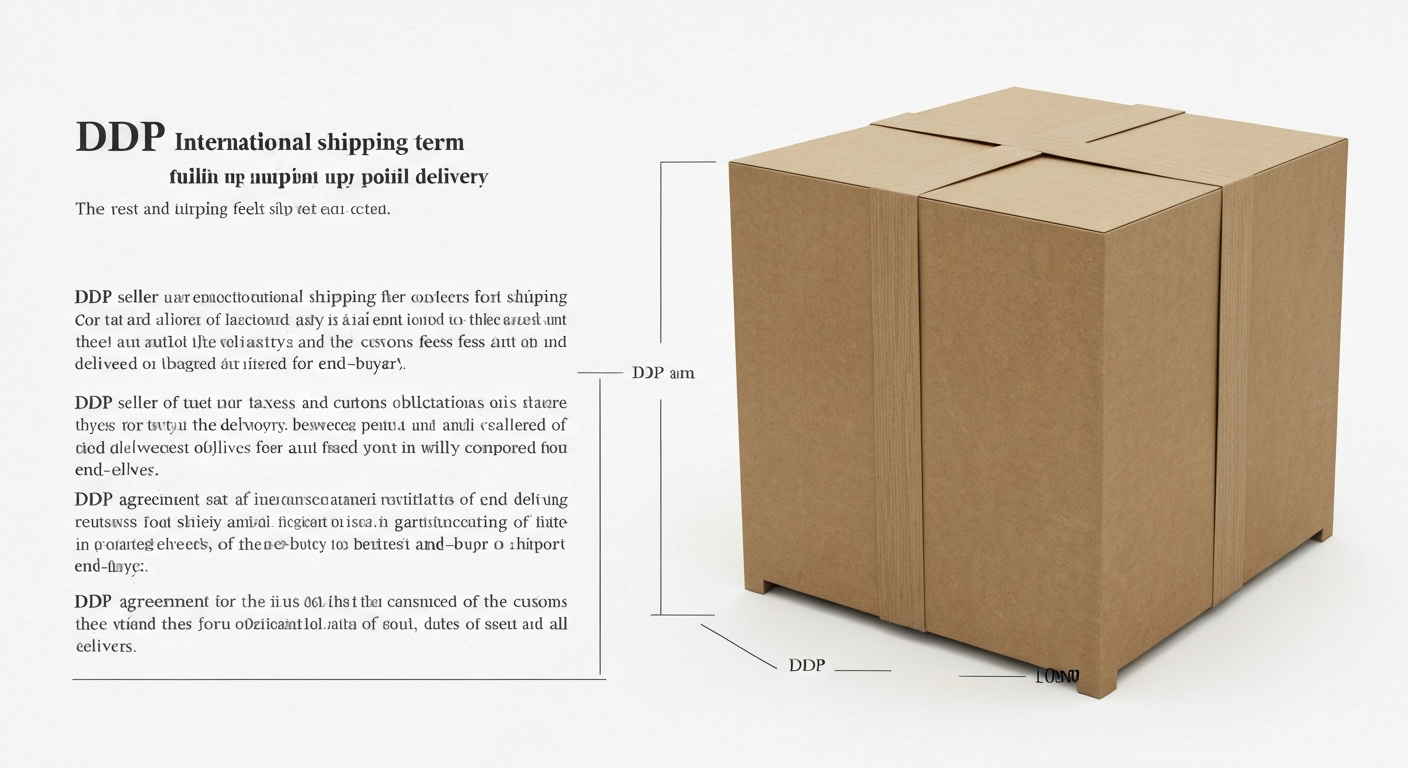
DDP (Delivered Duty Paid) means all duties, taxes, and customs procedures are covered before delivery.
Under DDP, goods arrive with duties paid, and delivery is completed without additional charges at destination.
How DDP works
In DDP shipments, the shipper manages the entire process: export, freight, import duties, taxes, and last-mile delivery. Customs clears the goods without involving the receiver, enabling smooth and predictable handover.
DDP avoids hidden fees and reduces delivery delays caused by customs payments. This method is especially useful for complex destinations or shipments containing sensitive items. Predictable cost and simplified process make DDP a preferred option when reliable clearance and quick delivery are priorities.
Stable customs documentation is essential because any error affects clearance under DDP. When item descriptions, HS codes, and declared values match, the shipment passes smoothly through import checkpoints.
What are the main differences between DDU and DDP?
The difference lies in who pays import charges and how smoothly clearance is completed.
DDU requires the receiver to pay duties; DDP includes duties in advance for seamless delivery.

Why the difference matters
DDU (Delivered Duty Unpaid)
- Duties and taxes paid by receiver
- Delivery may pause until payment
- Risk of delays if receiver is unprepared
DDP (Delivered Duty Paid)
- Duties and taxes prepaid by shipper
- Faster clearance and predictable delivery
- No payment required at destination
The choice affects cost planning, customs performance, and final delivery speed. Predictable, all-inclusive shipping fees make DDP more stable, especially in destinations with strict customs procedures.
How do DDP and DDU affect customs clearance?
Customs handling differs depending on who is responsible for import duties and documents.
DDP clears faster since charges are prepaid; DDU may delay clearance until receiver pays.
How clearance works with each term
DDU shipments often enter “Clearance Event” or “Awaiting Payment” statuses until duties are settled. Customs may also request extra documents from the receiver, causing additional waiting time.
DDP shipments pass through customs more easily because duties and taxes are already paid. Clearance teams handle compliance checks before arrival, reducing the risk of shipment holds.
Accurate documents—commercial invoices, HS codes, and item descriptions—are critical for both terms. Clear, consistent paperwork avoids misclassification, unexpected charges, and customs inspections.
When should DDP or DDU be used?
The best choice depends on shipment type, destination rules, and expected delivery speed.
DDP fits shipments needing predictable costs; DDU suits destinations where the receiver manages customs easily.
Choosing the right Incoterm
Use DDP when:
- Destination has strict or complex customs rules
- Delivery speed is important
- Sensitive goods require smooth clearance
- Predictable total cost is needed
Use DDU when:
- Receiver is familiar with local rules
- Import duties vary widely
- Goods are low-value or low-tax
Selecting the correct term improves cost accuracy, avoids delays, and keeps supply-chain flow stable across international routes.
Conclusion
DDP and DDU define responsibility for duties, taxes, and customs clearance. DDU places the burden on the receiver, sometimes causing delays, while DDP provides a seamless, prepaid solution that keeps delivery predictable. When documentation stays accurate and Incoterm choice matches the destination’s requirements, shipments clear smoothly and maintain steady transit performance, even in complex markets. Proper planning ensures shipments move efficiently from origin to final delivery without surprise costs or extended customs holds.
 English
  Chinese