
A DHL Express Air Waybill (AWB) is the primary shipping document used to identify, route, and clear a shipment through customs. It contains all essential details needed for transport, tracking, and delivery.
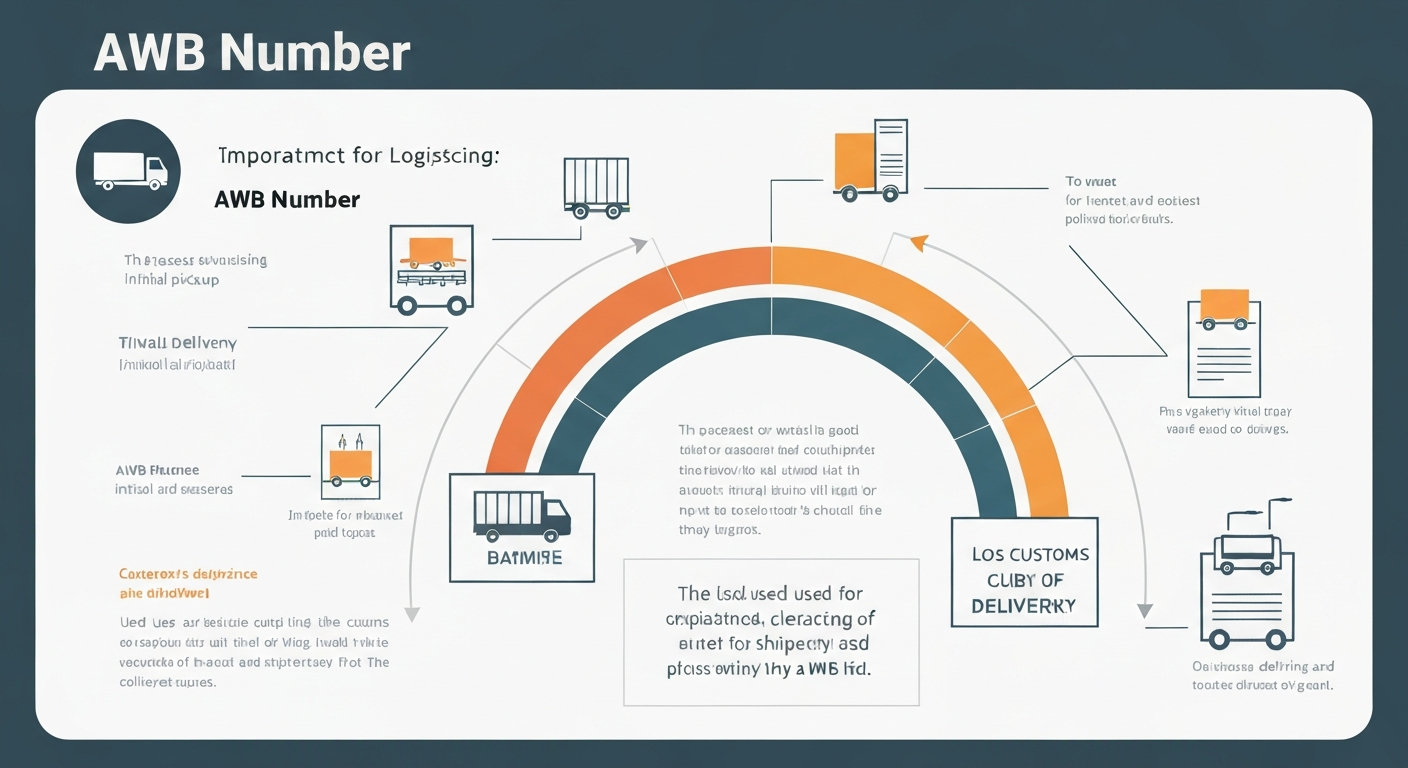
Understanding how an AWB works ensures smooth movement through DHL hubs, accurate tracking, and faster international processing.
What is a DHL Express Air Waybill?
The Air Waybill is a digital or printed shipping document that defines shipment details and authorizes DHL to transport the goods.
A DHL AWB provides shipment data, routing instructions, and customs information for international delivery.
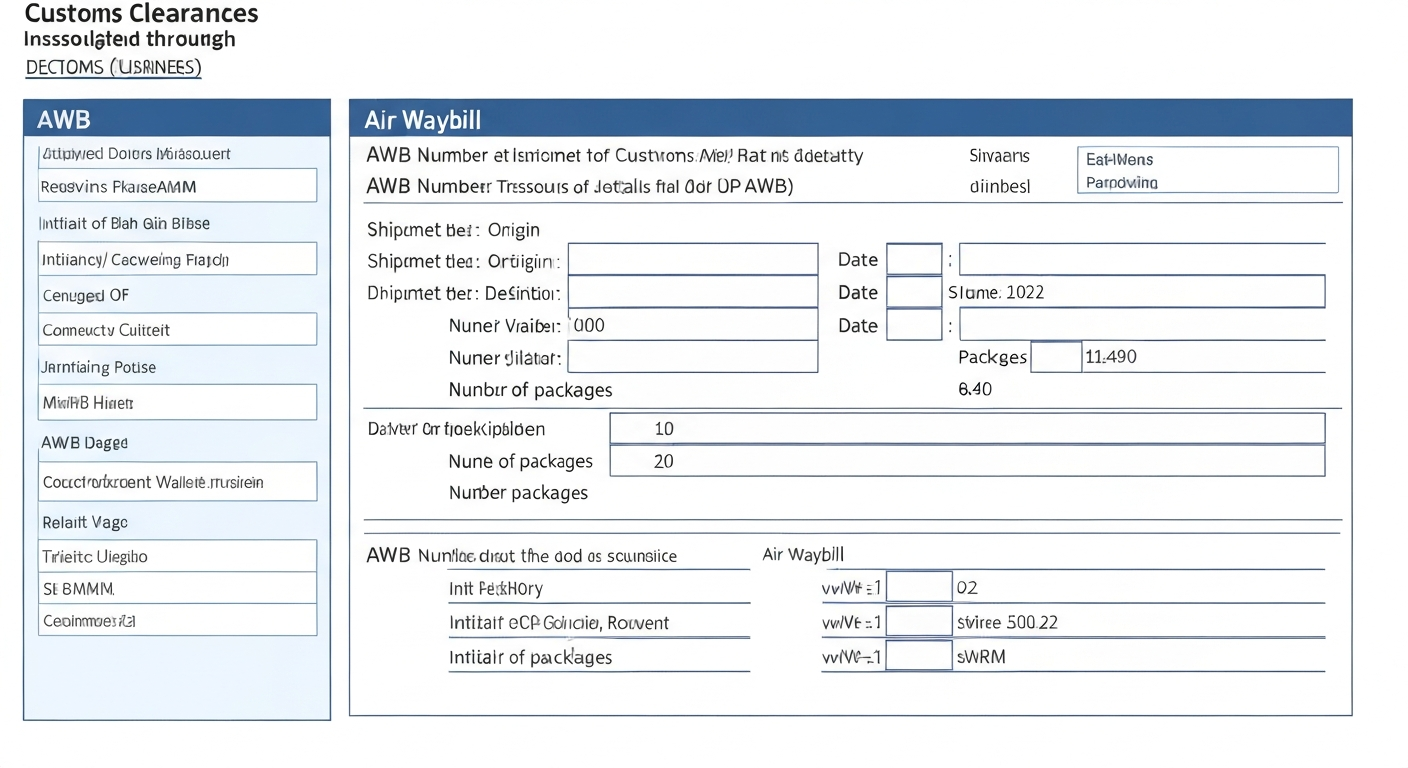
How the AWB functions
The AWB acts as a contract of carriage between DHL Express and the shipper. It includes sender and receiver information, shipment weight, dimensions, declared value, and service type. It also provides the unique 10-digit tracking number used throughout the shipment’s journey.
Because the AWB is the first document scanned at every hub, accuracy is crucial. Any incorrect data—such as wrong address, mislabeled contents, or inaccurate weight—may cause routing mistakes or customs delays. Clear, consistent information ensures the shipment flows smoothly into DHL’s automated network.
What information does a DHL Air Waybill contain?
The AWB includes key shipment data used for transport, billing, and customs checks.
AWB fields list sender details, receiver details, weight, dimensions, contents, and tracking number.
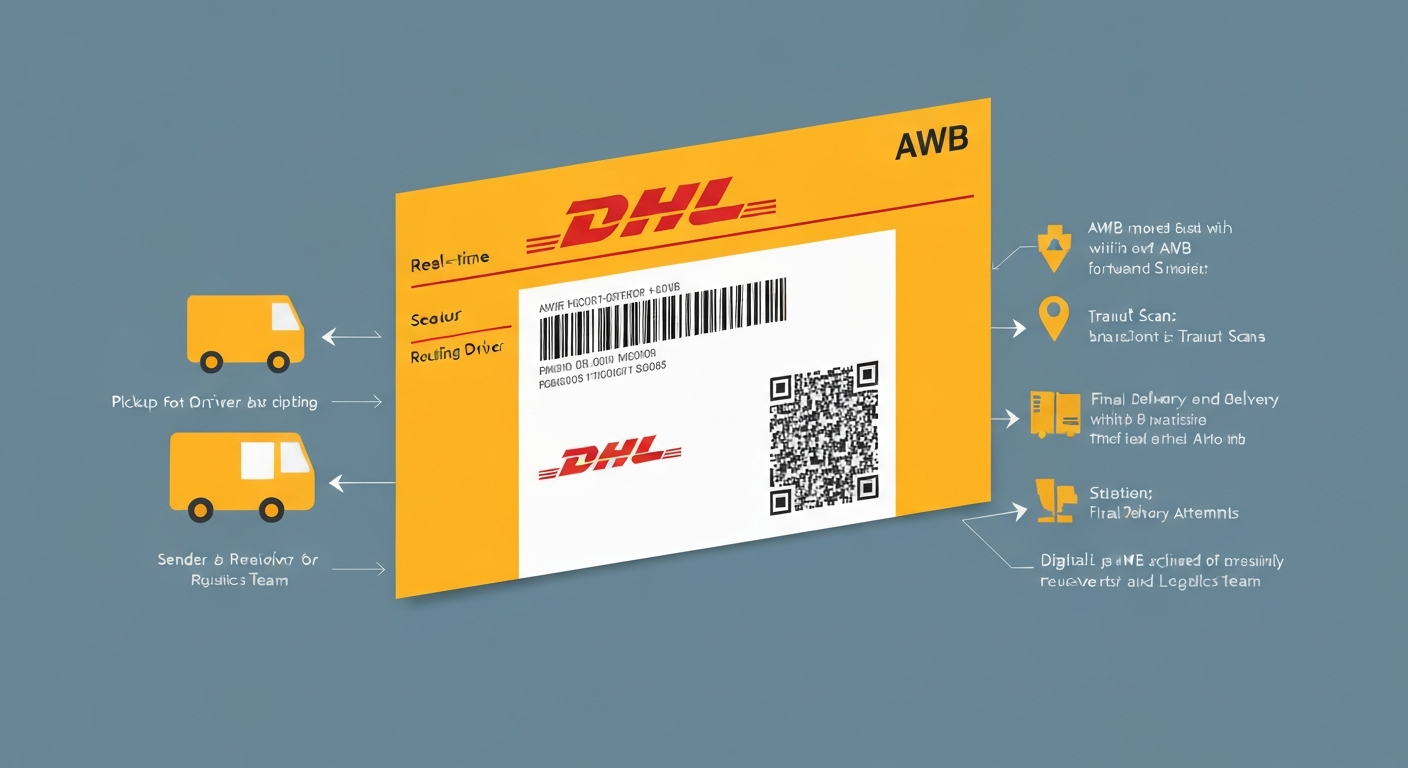
Key sections inside an AWB
Major elements include:
- Shipper and receiver details
- DHL Express tracking number
- Shipment weight and size
- Number of packages
- Declared value
- Item description
- Service type (Worldwide, 12:00, Envelope, etc.)
- Billing reference or account number
Each section supports a specific purpose—operational routing, customs validation, or final delivery. When all fields are complete and correct, DHL can process the shipment faster at every checkpoint.
Why is the AWB number important?
The AWB number connects all tracking events across hubs, customs, and delivery routes.
The 10-digit DHL AWB number serves as the shipment’s digital identity from pickup to delivery.

How the AWB number supports visibility
Every scan—pickup, export, transit, customs, arrival, out-for-delivery—links back to the AWB number. DHL’s global tracking system updates automatically as the parcel moves through each facility.
Missing or incorrect AWB numbers cause tracking failures or routing confusion. Clear labels, scannable barcodes, and correct printing keep the AWB readable during high-speed automated sorting. This ensures real-time visibility for every shipment.
How does the Air Waybill support customs clearance?
Customs authorities use AWB details to match the shipment with invoices, HS codes, and declared values.
The AWB provides essential routing and identification data that customs uses alongside commercial documents.

Why customs relies on AWB accuracy
When goods enter or leave a country, customs systems reference the AWB number to retrieve supporting documents. If the declared value, item description, or consignee data differs from the commercial invoice, customs may place the shipment on hold.
An accurate AWB ensures:
- Faster customs matching
- Fewer documentation questions
- Reduced hold risk
- Clear compliance checks
Stable document preparation and consistent item descriptions support smooth customs clearance for DHL Express shipments.
How is the Air Waybill used during transit?
The AWB guides DHL routing from pickup to hubs, flights, and final delivery.
DHL uses AWB data to scan, sort, load, and route every piece through the global Express network.
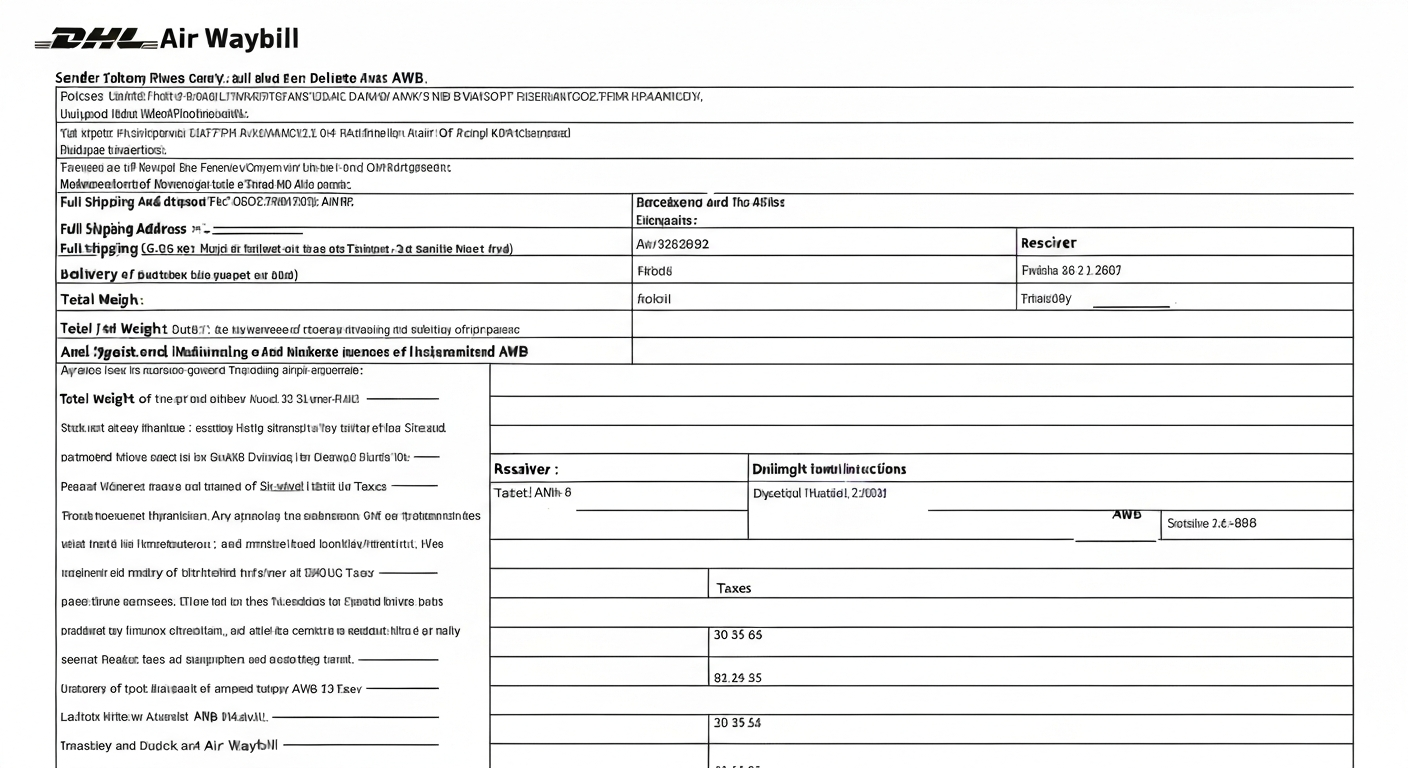
Why the AWB drives operational flow
During transit, DHL scanners read the AWB barcode to determine destination, service level, and next hub. Automated sorters rely on this data to place the shipment into the correct lane—domestic, regional, or long-haul international.
If the barcode is damaged or unreadable, manual checks may delay routing. Using strong labels, weather-resistant pouches, and clear barcodes ensures the AWB remains readable throughout the journey.
What is the difference between an Air Waybill and a commercial invoice?
The AWB identifies and routes the shipment, while the invoice declares its value and contents for customs.
The AWB is a transport document; the commercial invoice is a customs document.
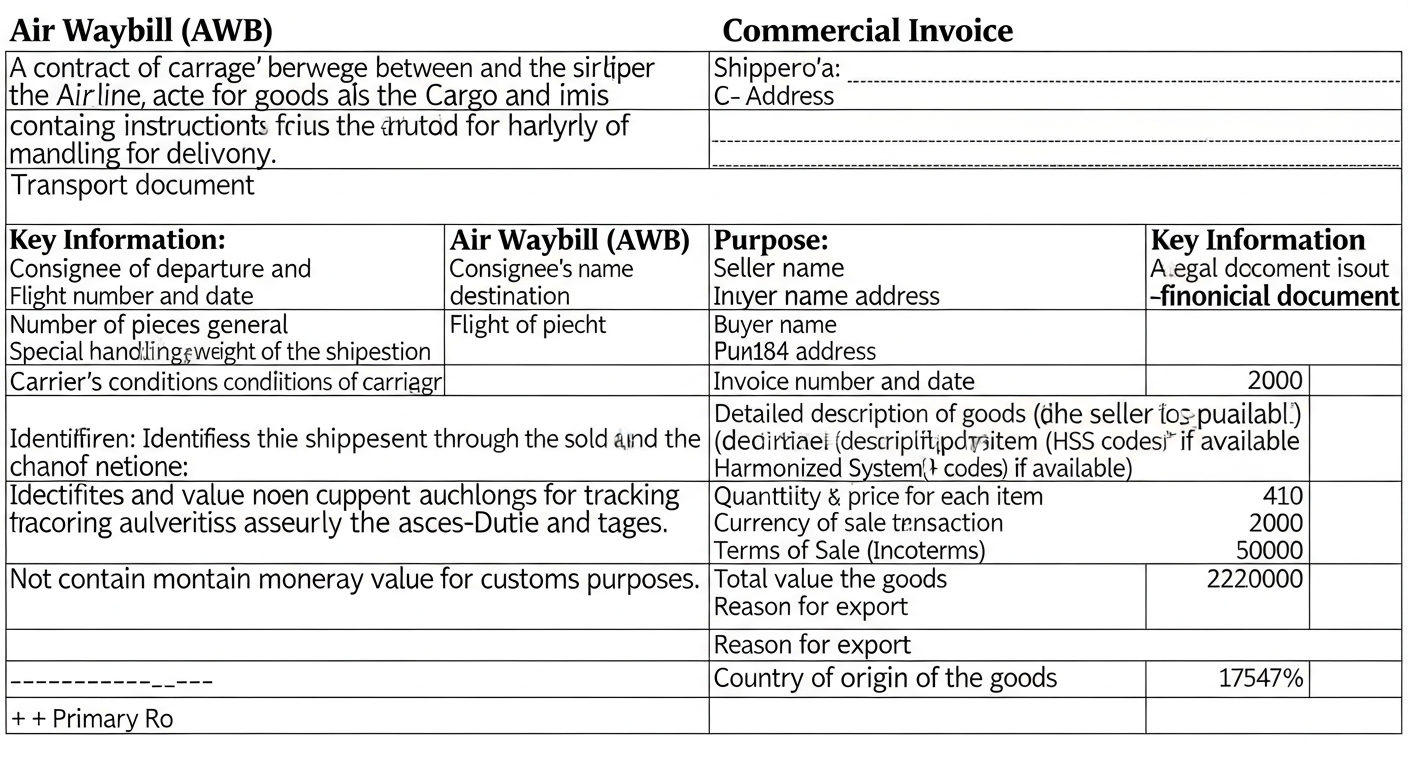
Why both documents are essential
The AWB contains routing and transport details but does not replace the commercial invoice. Customs relies on the invoice for value confirmation, tariff calculation, and HS code verification. The AWB simply links the shipment to that information.
Both documents must align to avoid clearance delays. Matching product descriptions, values, and consignee details keep customs checks short and predictable.
Conclusion
A DHL Express Air Waybill is the core document that identifies, routes, and tracks every shipment in the DHL network. It carries essential data for transport, sorting, and customs clearance. When AWB details are accurate—addresses, descriptions, dimensions, and values—shipments move faster through DHL hubs and clear customs without delay. Strong preparation, clear labeling, and consistent documentation ensure each parcel travels smoothly from pickup to final delivery, maintaining the speed and reliability of DHL Express services.
 English
  Chinese