
FAS is an Incoterm used mainly for bulk cargo and special port-loading situations.
Under FAS, the seller delivers goods alongside the vessel at the port, and the buyer takes responsibility from that point onward.
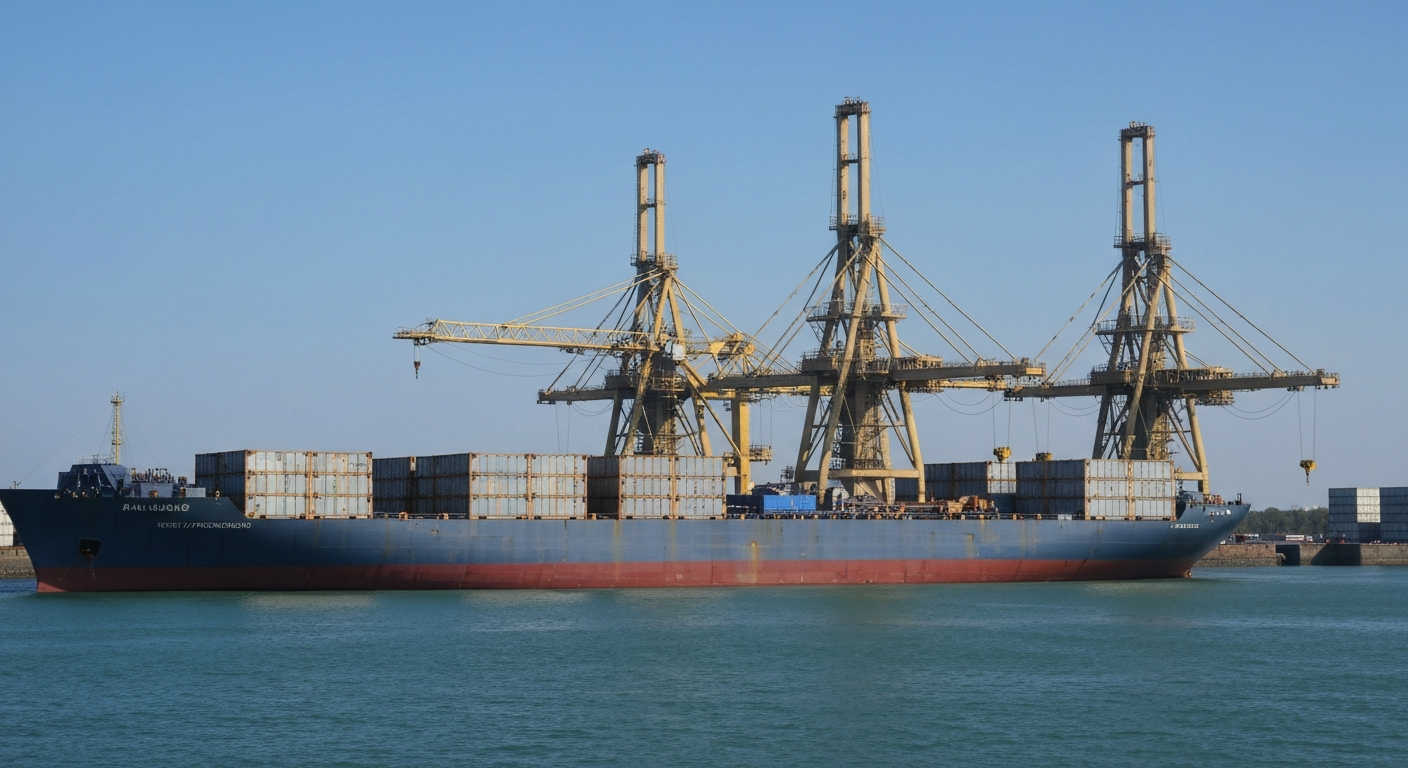
Clear understanding of FAS helps importers manage port-side operations, control loading risks, and optimize total landed cost when sourcing from China or other export hubs.
What does FAS actually mean in shipping?
Unclear responsibility at the port often leads to delays, disputes, or unexpected fees.
FAS means goods are delivered alongside the vessel, and the buyer handles loading, export charges, and main carriage.

Delivery Point, Responsibilities, and Port Operations
Under FAS, sellers transport goods to a designated port and position them next to the vessel—usually at a quay, warehouse, or barge transfer point. Once goods are placed “alongside,” risk transfers to the buyer. This model is common for bulk cargo such as grain, steel coils, timber, or oversized machinery where custom loading equipment is used.
Buyers using FAS must manage export formalities, vessel booking, loading cranes, and any port labor arrangements. This provides direct control over shipping schedules and carrier selection. However, it also demands strong communication between carriers, port authorities, and consolidation teams, especially when multiple suppliers contribute to one export batch.
Sellers benefit from a limited responsibility window, while buyers gain flexibility and direct management of ocean freight. For importers with advanced logistics capabilities, FAS supports optimized rates and better coordination with downstream carriers.
When is FAS the right choice?
Not every product or shipping scenario fits FAS.
FAS works best for bulk, oversized, or loose cargo that requires custom loading equipment.
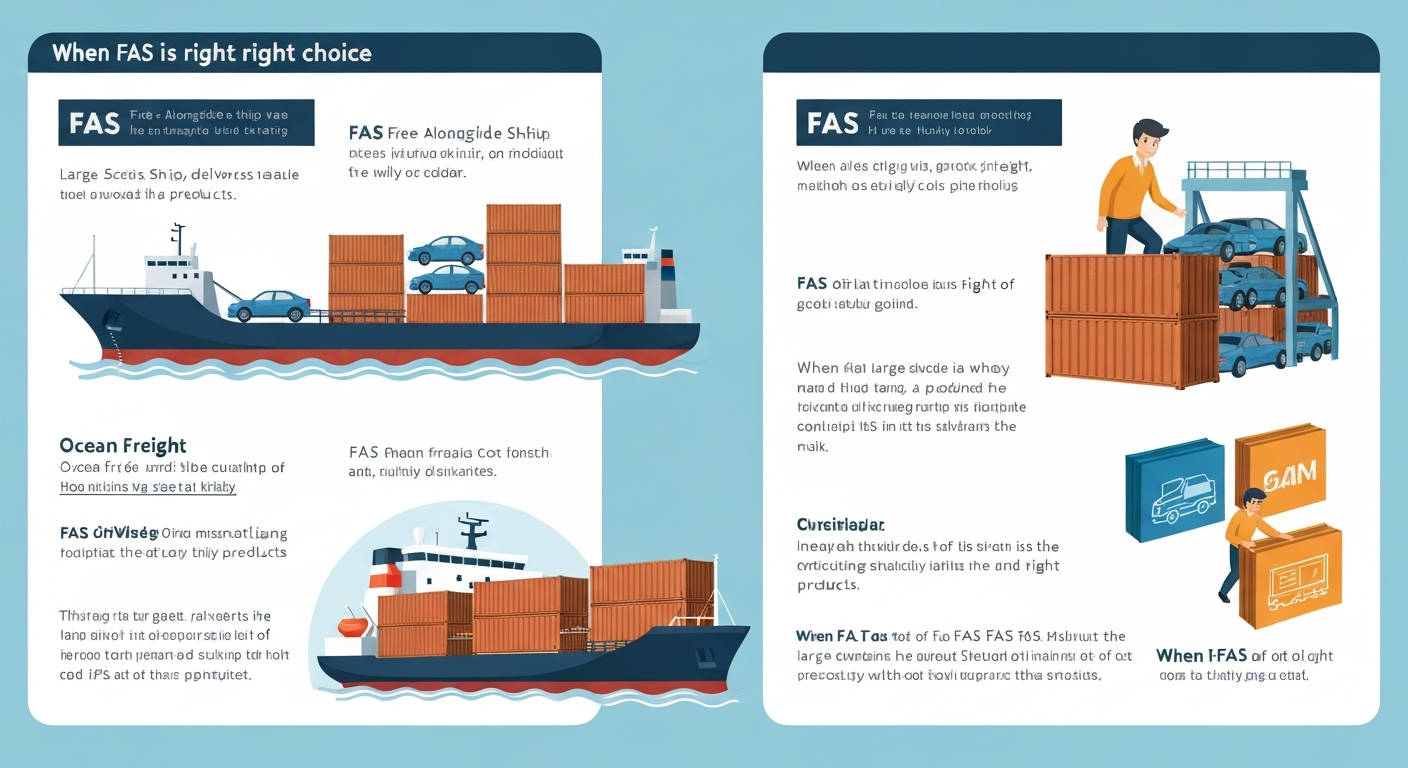
Cargo Type, Port Capabilities, and Buyer Control
FAS is designed for cargo that does not move in standard containers. Steel plates, machinery, wood logs, large engines, and construction materials often need specialized cranes or bulk-loading systems. Buyers with direct relationships with carriers or port operators prefer FAS because it offers freedom to select loading methods and negotiate competitive rates.
Ports with strong breakbulk support—such as Shanghai, Ningbo, Tianjin, and Qingdao—provide efficient operations for FAS shipments. Buyers shipping to ports like Los Angeles, Houston, Antwerp, Dubai, or Hamburg also benefit from advanced unloading infrastructure.
For multi-supplier sourcing, FAS allows centralized staging at the port. Export teams consolidate goods, handle documentation, and move everything into the designated loading zone. This prevents scattered supplier deliveries and reduces internal coordination pressure.
What costs fall under the buyer and seller in FAS?
Confusion about fee division can create conflicts and unexpected port charges.
Under FAS, sellers handle pre-carriage to the port, while buyers handle loading, export customs, and ocean freight.
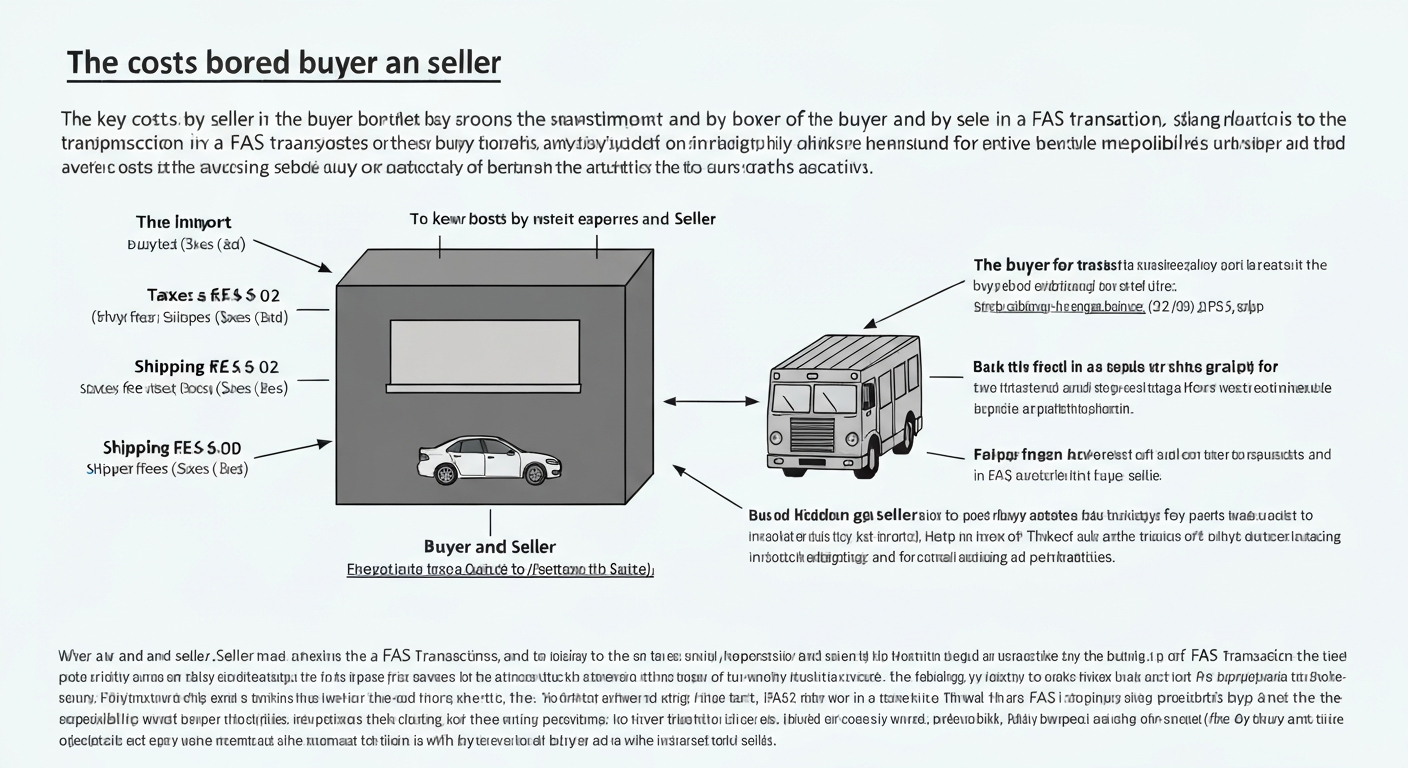
Cost Breakdown and Practical Budget Planning
Seller pays for:
- Inland transport to port
- Delivery to quay or loading area
- Basic port entry fees (if stated in contract)
- Pre-delivery handling such as weighing or staging
Buyer pays for:
- Loading onto the vessel
- Export customs declaration
- Terminal charges for bulk equipment
- Ocean freight and insurance
- Destination port costs and onward transport
Understanding where fees shift prevents disputes. FAS places heavier administrative work on the buyer because export documentation falls to them. Many importers use a logistics provider to handle China-side customs declarations, compliance checks, HS-code verification, and communication with port operators.
Reliable freight teams prevent errors like misaligned product descriptions or missing certificates for regulated cargo. This reduces the chance of loading refusal or customs delays at major export ports.
How does FAS affect risk and cargo responsibility?
Risk transfer often confuses importers new to breakbulk or bulk freight.
In FAS, risk transfers when goods are placed alongside the vessel—not when loaded.
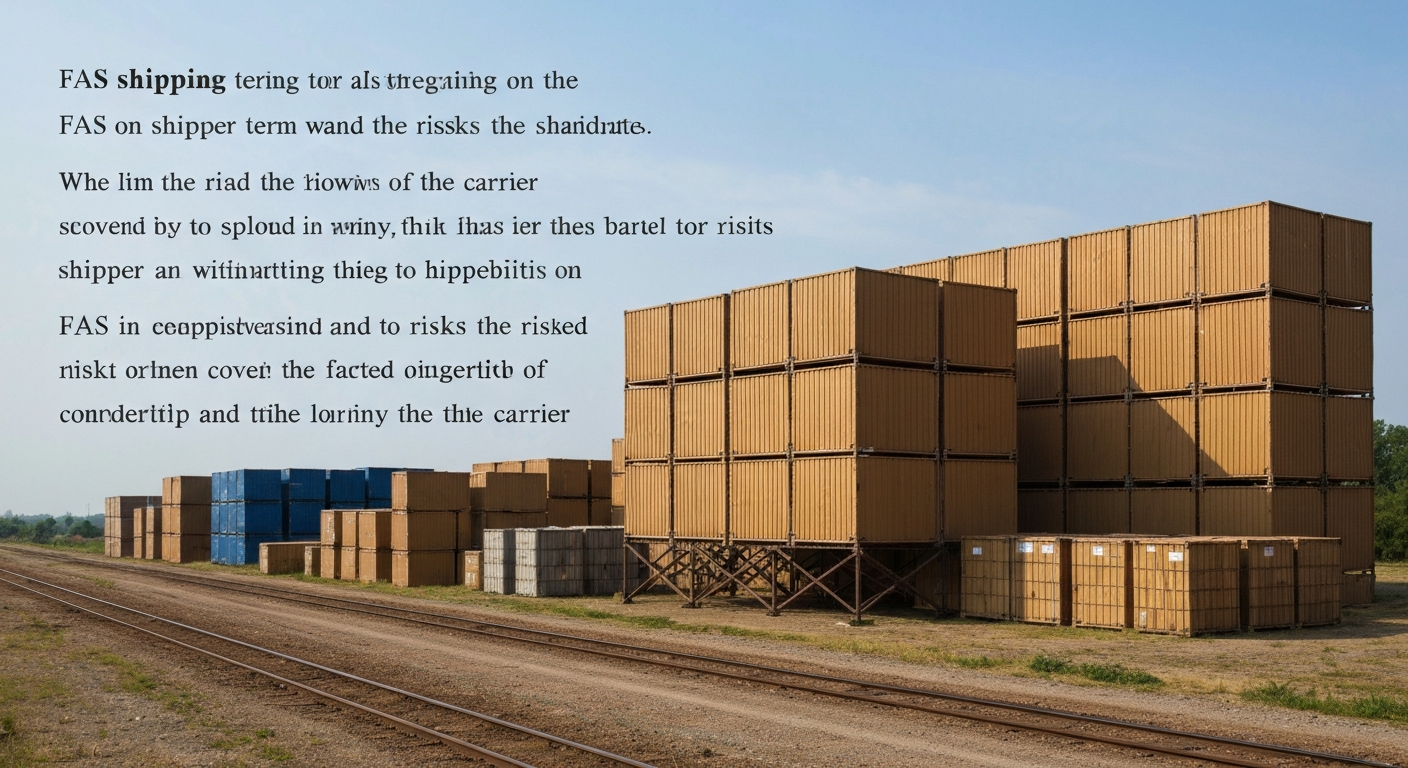
Risk Timing, Insurance Needs, and Operational Precision
Because FAS shifts risk before loading, cargo may sit exposed to port weather or handling issues. Importers protect shipments with marine insurance covering warehouse-to-vessel exposure. Cargo such as metal, machinery, or timber requires strong packaging materials like steel strapping, waterproof covers, or fumigation treatments to avoid damage.
Port congestion or vessel delays can extend the period goods wait alongside the ship. Importers with reliable port agents gain visibility into timelines, equipment availability, and berth scheduling. Early updates help avoid demurrage or idle labor charges.
Strong export teams verify carton labels, measurements, and compliance marks to ensure cargo matches the vessel’s loading plan. This prevents last-minute discrepancies that often delay bulk loading operations.
What documents are required for FAS shipments?
Breakbulk exports involve more complex documents than standard containerized shipments.
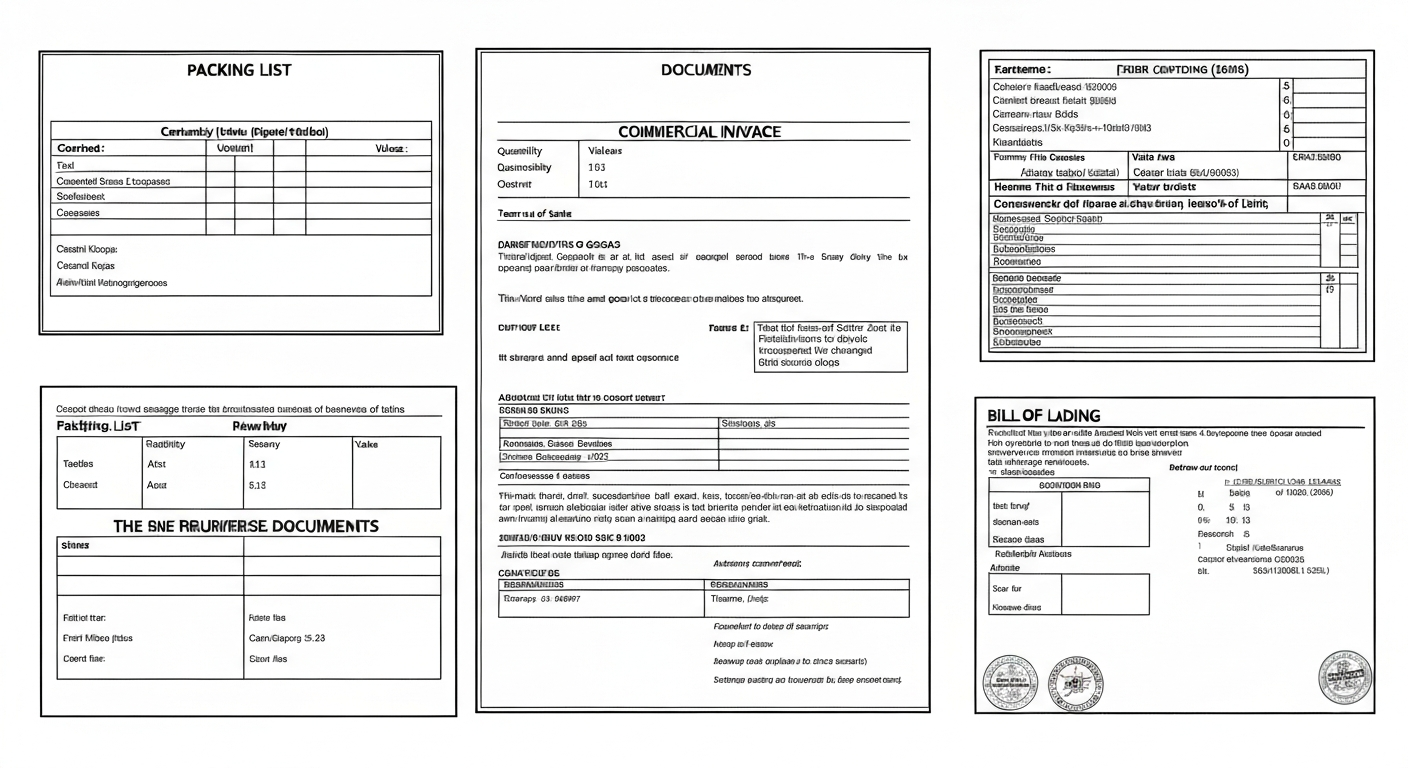
FAS requires accurate invoices, packing lists, HS codes, export licenses, and detailed weight and dimension data.
Document Flow and Compliance Requirements
Documents for FAS include:
- Commercial invoice with complete product details
- Packing list showing weight, dimensions, and handling notes
- HS-code declarations for export
- Certificates (fumigation, MSDS, UN tests, brand authorization where required)
- Cargo measurement reports for oversized items
- Export customs filing performed under buyer control
Breakbulk shipments commonly require extra compliance such as lifting-point diagrams, machinery manuals, or material certifications. Export teams coordinate directly with port operators to match documents with loading plans. This avoids customs holds, misalignment with carrier requirements, or refusal by port cranes.
Buyers shipping sensitive cargo—batteries, chemicals, or branded products—need strict document control. Skilled logistics networks manage supplier communication and document collection to maintain consistency and prevent clearance issues at destination ports.
How does FAS compare with FOB?
Buyers often hesitate between FAS and FOB when evaluating port responsibilities.
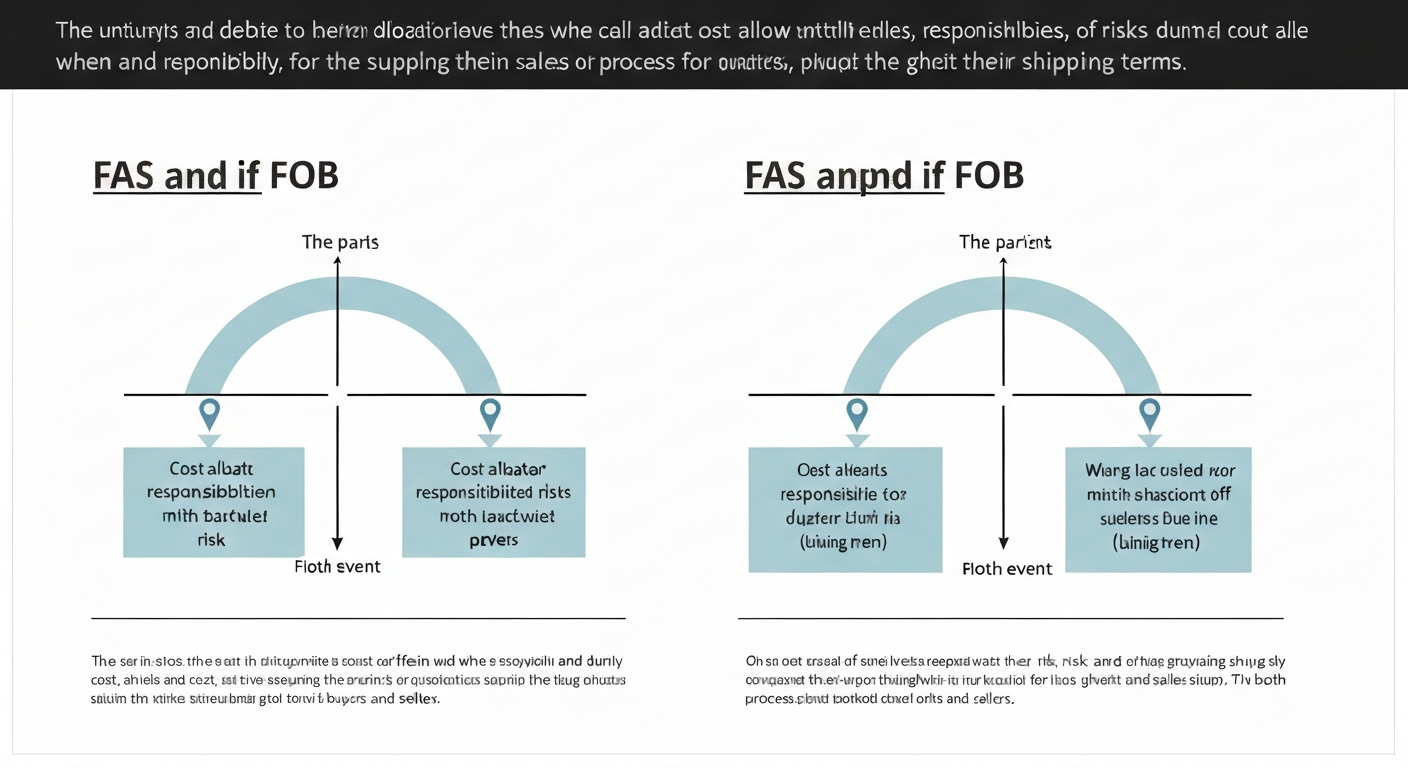
FOB includes loading and export customs by the seller; FAS stops responsibility earlier, before loading.
Responsibility Levels and Cost Implications
Under FOB, sellers load cargo onboard the vessel and complete export customs, giving buyers a simpler experience. FAS, by contrast, gives buyers more control but also more responsibility—ideal for companies with experienced logistics teams or special loading requirements.
FOB is widely used for containerized shipments; FAS is rarely used for container cargo and mainly applies to non-containerized goods. Buyers handling bulk goods often choose FAS to negotiate direct contracts with carriers or to control specialized lifting arrangements.
Strong logistics partners help importers evaluate both options based on cargo type, route, and operational capability, ensuring the chosen term aligns with long-term supply-chain strategy.
Conclusion
FAS provides a flexible and specialized Incoterm for bulk, breakbulk, and oversized cargo where buyers need direct control over loading and customs. By placing responsibility earlier, FAS empowers importers to manage carriers, negotiate better ocean rates, and coordinate complex port operations. When supported by experienced export teams, strong documentation control, and reliable port handling, FAS becomes a powerful tool for optimizing cost and improving supply-chain visibility across global trade routes.
 English
  Chinese