
Shipping luggage overseas before travel involves pickup, export checks, international transit, customs review, and final delivery. Proper preparation and accurate documentation keep the process smooth and predictable.
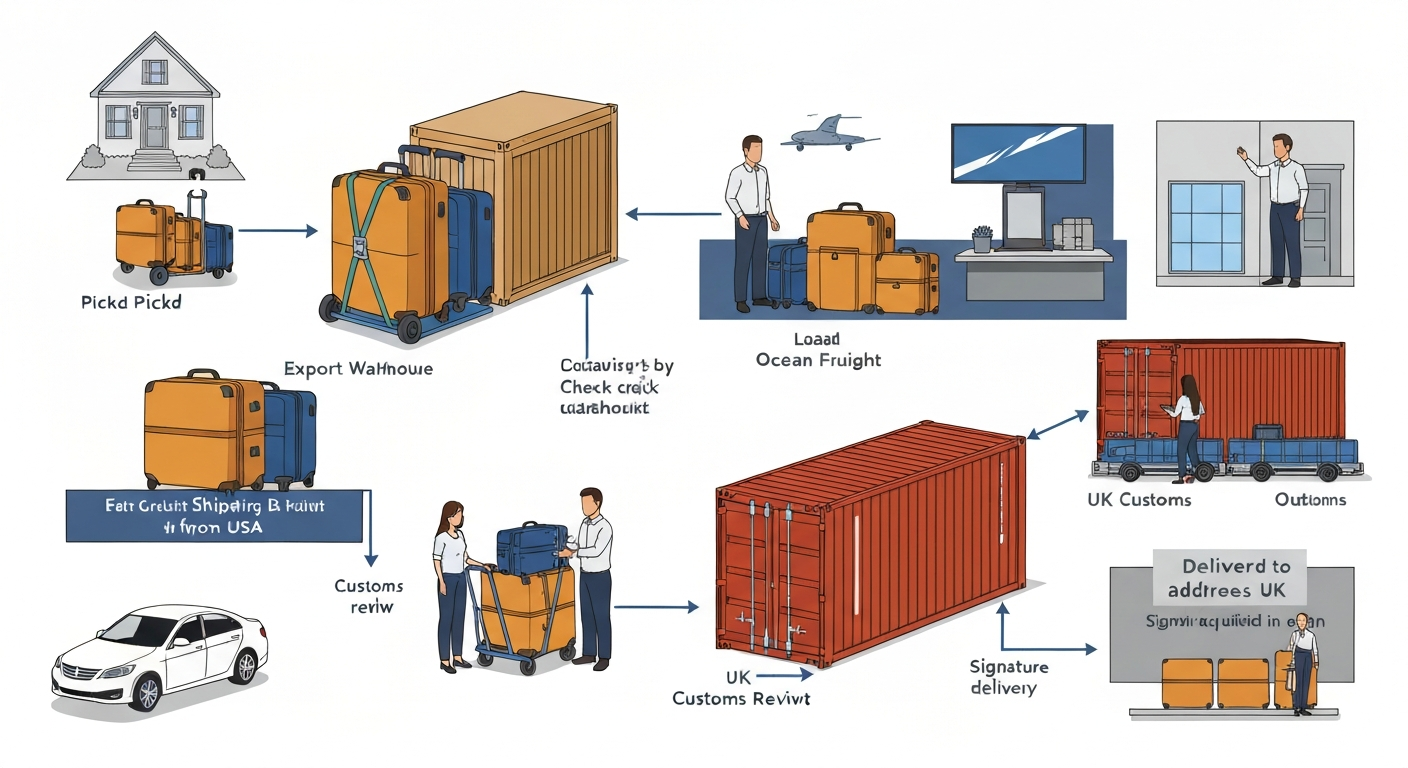
A structured approach reduces airport stress, avoids overweight fees, and ensures luggage arrives safely at the destination.
Why ship luggage before travel?
Sending luggage ahead removes airport burdens, reduces carry-on weight, and lowers the risk of mishandled baggage.
Early luggage shipping supports smoother movement, predictable delivery, and greater travel convenience.
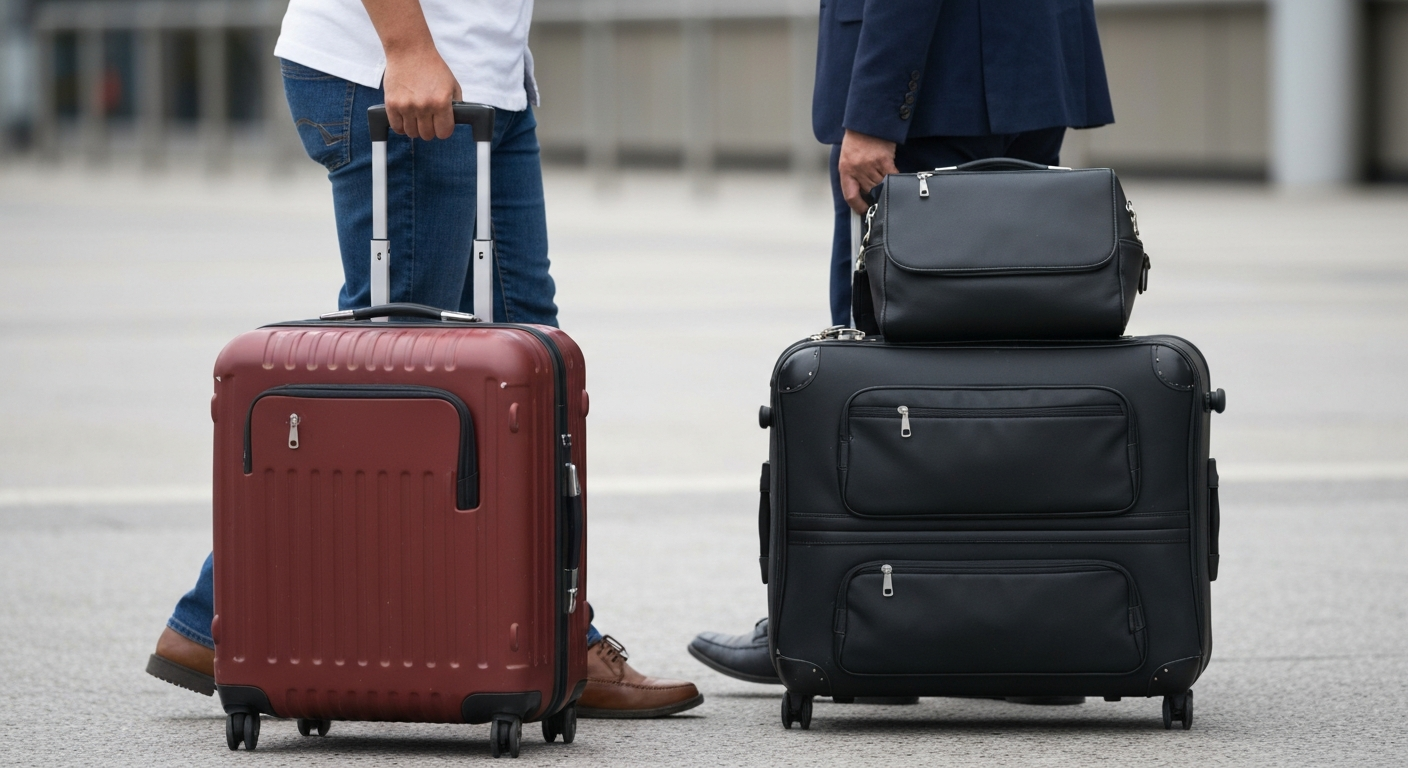
Why early shipment matters
Airline baggage systems often face congestion, especially during peak seasons. Overweight and oversize fees also increase overall travel cost. Dedicated luggage-shipping channels bypass these problems by moving suitcases through specialized logistics pathways instead of standard airport handling.
Shipments receive structured routing, reinforced packing, and clear documentation checks. This reduces the chance of damage, misrouting, or delays. When luggage arrives in advance or shortly after arrival, travel becomes simpler and more organized.
How to prepare luggage for international shipping?
Proper preparation protects personal items and ensures smooth customs and carrier processing.
Preparation requires strong packing, detailed item lists, and secure labeling.
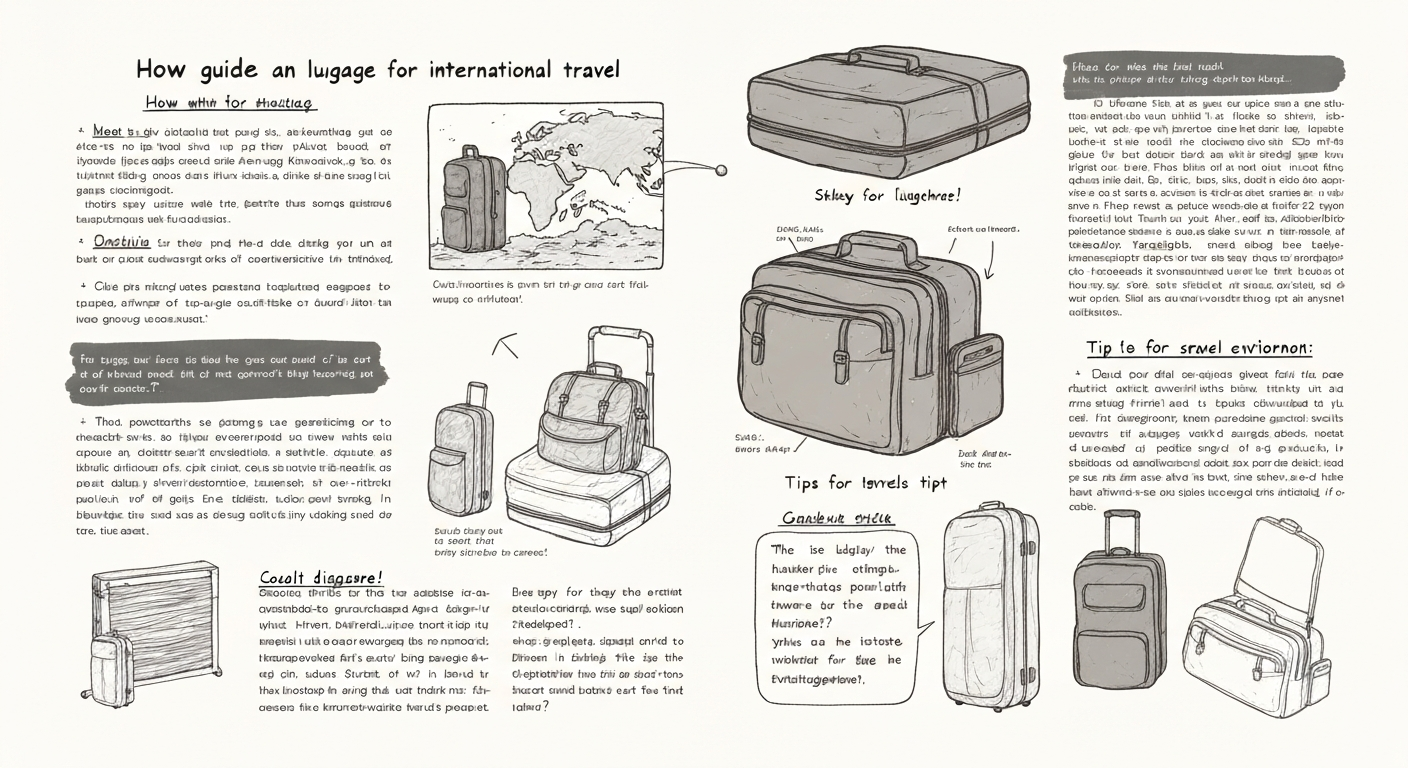
Key preparation steps
Suitcases must be reinforced with straps, protective wrap, or placed inside a sturdy carton. Fragile items benefit from bubble cushioning. Toiletries and liquids must be sealed carefully to prevent leaks. Most carriers request a clear itemized list to support customs checks, especially for mixed personal effects.
Labels must include complete destination details, including postal code and contact number. A duplicate label placed inside the suitcase protects against tag loss. With organized packing and clear item descriptions, luggage moves through export procedures without unnecessary review.
How does the international shipping process work?
Luggage shipments follow the same stages as parcel shipments: pickup, export scan, routing, air transport, customs, and final delivery.
International luggage shipping usually takes 3–10 days depending on route and service type.
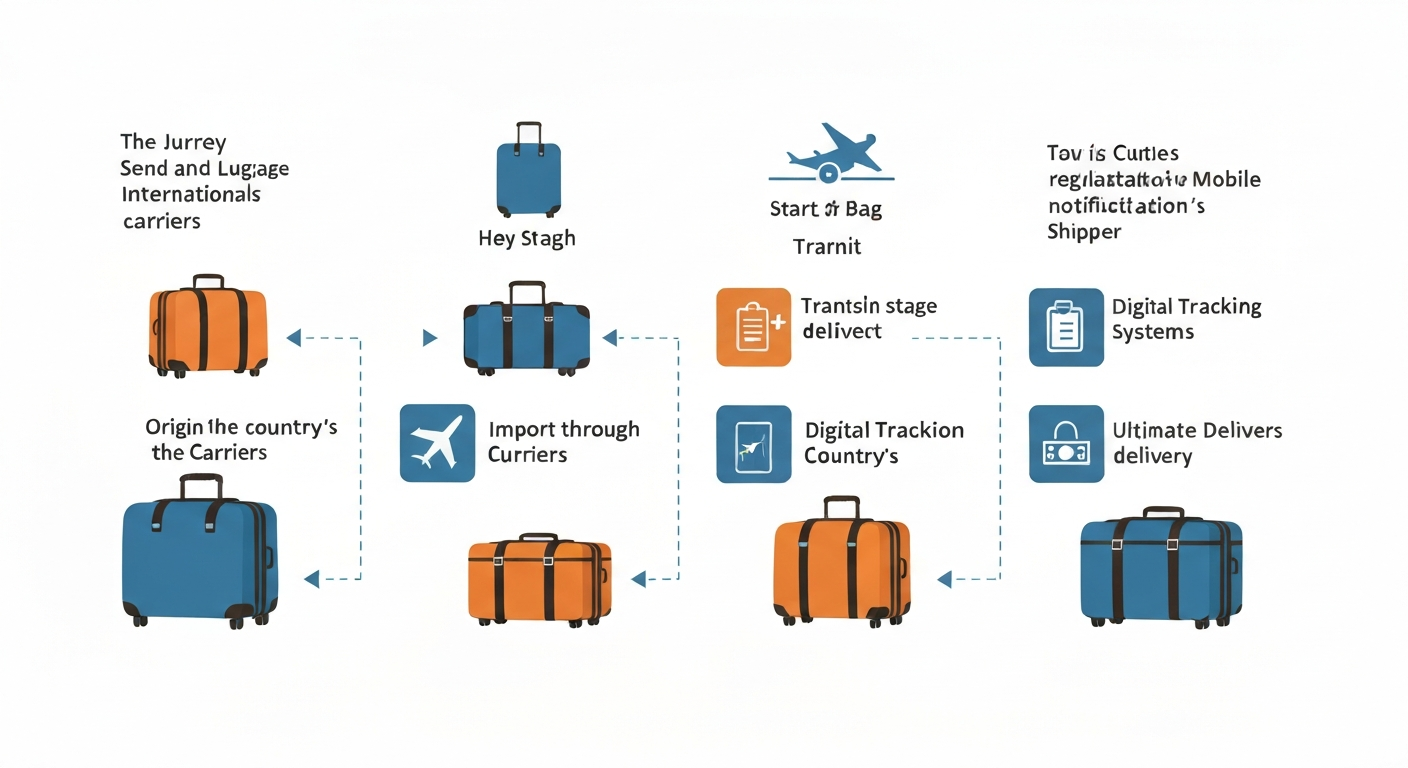
How the journey progresses
After pickup, the shipment enters a sorting hub for weighing, security screening, and documentation checks. Sensitive contents or mixed personal items may receive additional verification. Once cleared, the luggage is assigned to a flight or consolidated export route.
Transit times vary with airline schedules, weather conditions, and regional demand. Customs at the destination reviews the item list, verifies personal-use contents, and clears the suitcase for delivery. Local couriers then complete the final handover to hotels, homes, or offices.
What customs rules apply to overseas luggage?
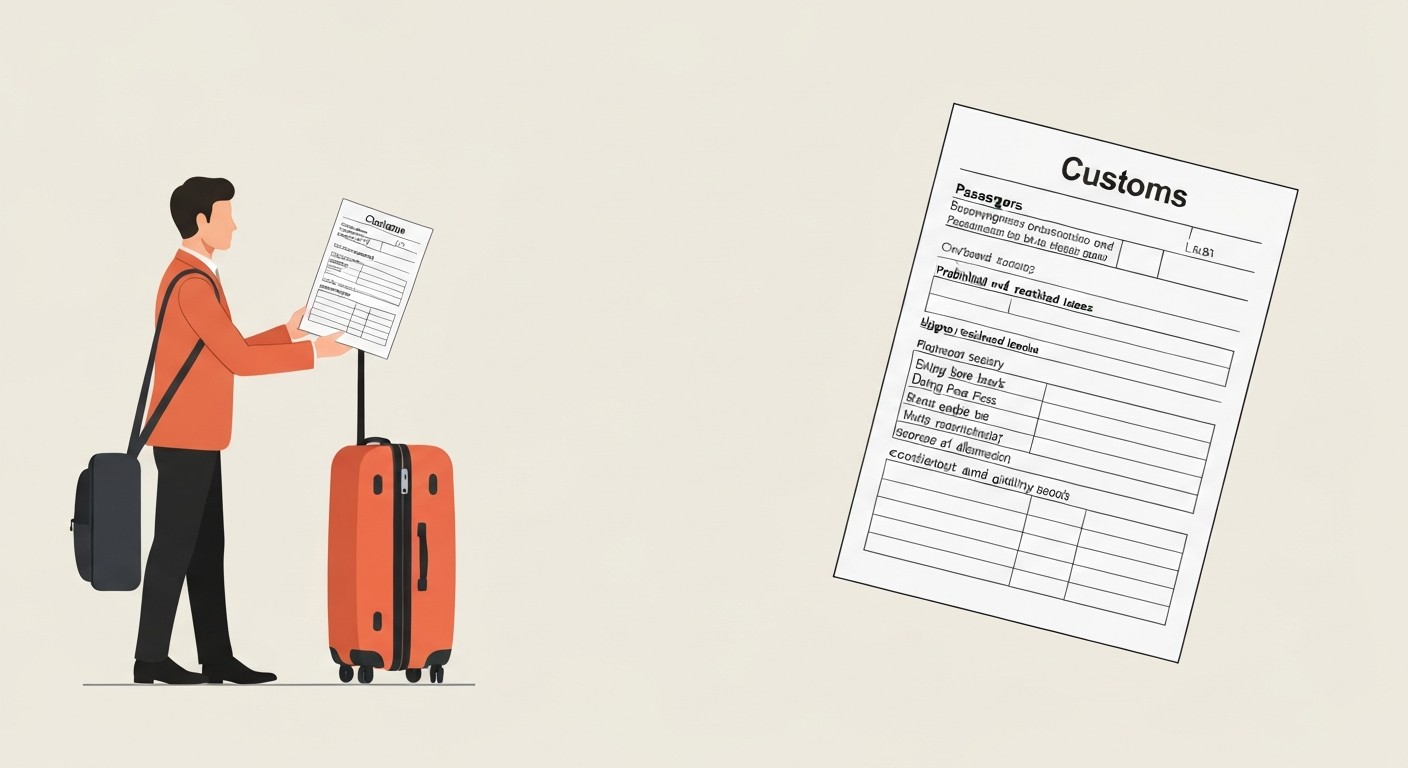
Customs authorities require an item list and may review specific categories of goods for compliance.
Luggage must pass customs clearance, which checks content description, value, and import restrictions.
Why customs checks matter
Personal effects often include clothing, accessories, electronics, and toiletries. Customs reviews these items to ensure no prohibited or commercial goods are included. Vague descriptions can trigger manual inspection, while prohibited items—such as certain foods or undeclared electronics—may delay release.
Providing a clear, accurate item list helps customs verify contents quickly. Regions with stricter regulations may require additional documentation. Strong compliance ensures predictable clearance times.
How to keep luggage protected during overseas shipping?
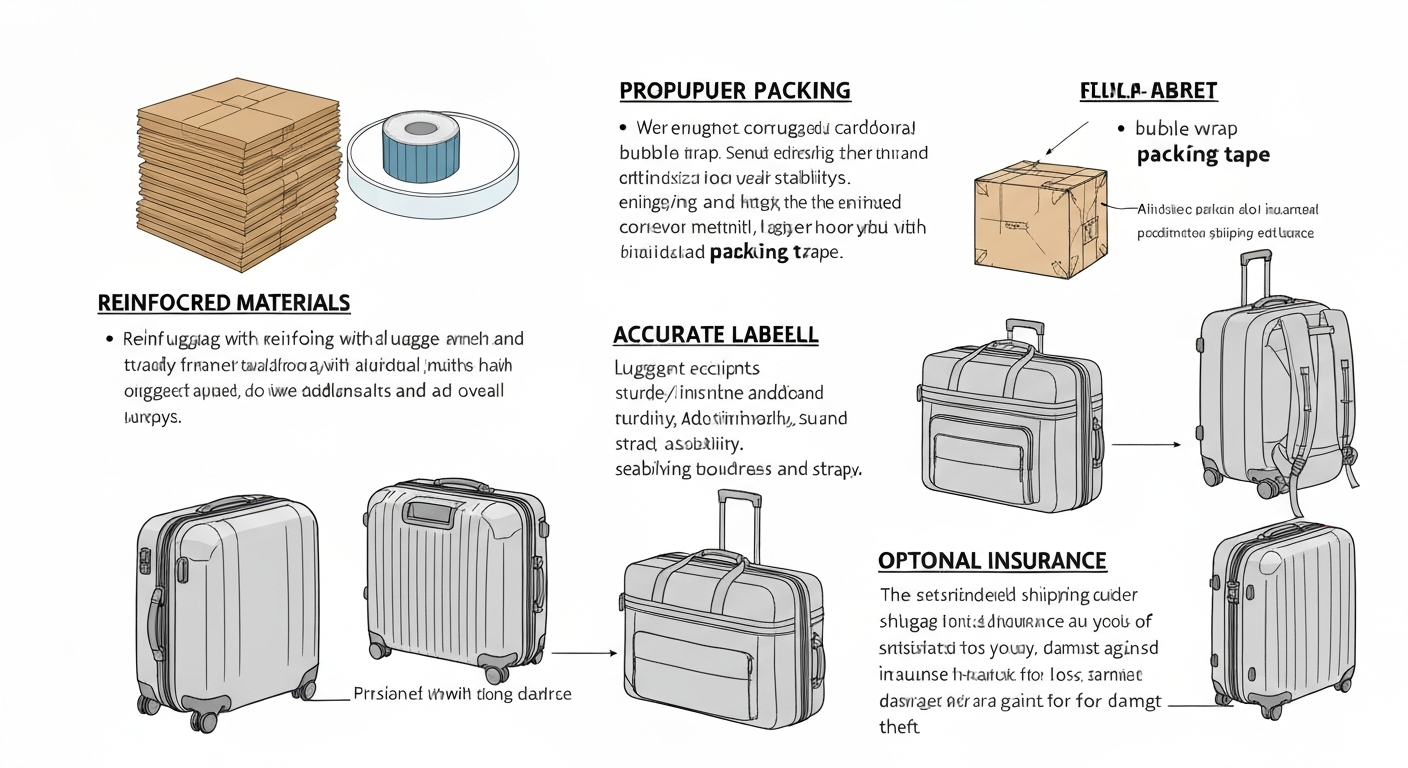
Protection depends on proper packing, reinforced materials, accurate labeling, and optional insurance.
Secure packing reduces impacts, vibration damage, and external pressure during long-distance travel.
Maintaining safety throughout transit
Luggage must endure conveyor systems, cargo loading, and multiple handling points. Reinforced outer packaging minimizes risk. Internal cushioning protects fragile items. TSA-friendly locks or cable ties help secure zippers and prevent accidental opening.
Tracking visibility supports constant monitoring. Insurance protects against loss or damage, especially for higher-value items. Accurate dimensions and weight help carriers allocate the correct routing channel, reducing repacking delays.
Conclusion
Shipping luggage overseas before travel provides a reliable alternative to traditional airline baggage handling. Proper preparation—reinforced packing, clear item lists, and accurate labeling—ensures smooth export and customs processing. When documentation is complete and routing is well organized, luggage moves through each stage efficiently, arriving safely at the final destination. This approach removes airport stress, avoids extra fees, and creates a more seamless travel experience.
 English
  Chinese