
Logistics refers to the planning, movement, and coordination of goods from origin to destination. It covers transportation, warehousing, inventory control, packaging, and distribution.
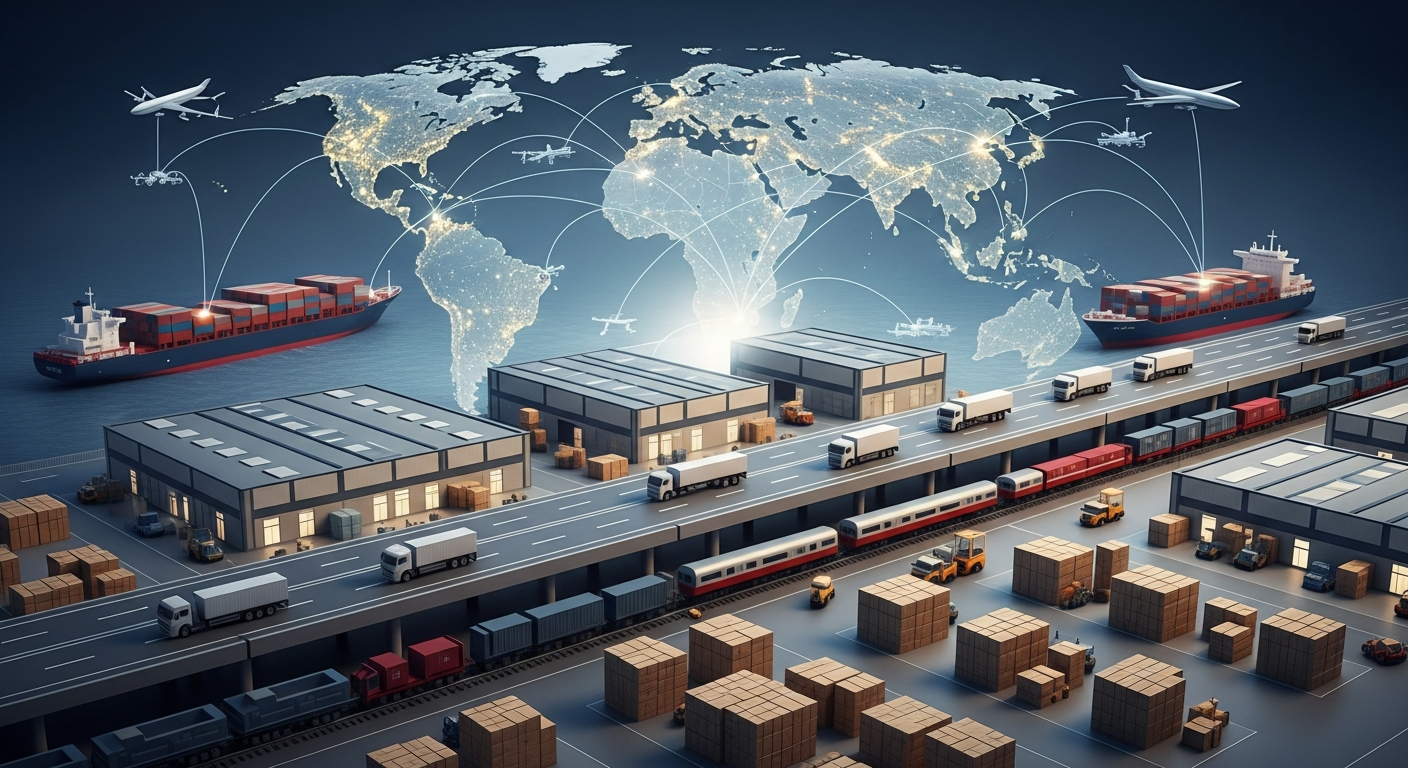
A clear logistics structure supports smooth supply flow, reduces delays, and keeps operations efficient across domestic and international routes.
What does logistics mean?
Logistics includes all activities required to move goods efficiently through the supply chain.
Logistics involves transportation, storage, inventory management, packaging, and delivery planning.
Understanding the concept
Logistics connects suppliers, warehouses, carriers, and distribution centers. It ensures goods arrive in the right quantity, at the right place, and at the right time. Activities include inbound receiving, stock placement, order preparation, route scheduling, customs processing, and final-mile delivery.
Clear documentation and organized workflows help maintain predictable movement. When logistics systems run smoothly, inventory stays accurate, transit stays consistent, and overall supply-chain performance becomes stable.
What are the main logistics processes?
Core processes include sourcing alignment, inbound handling, warehousing, transportation, and delivery.
Logistics processes cover receiving, storage, picking, packing, shipment planning, and distribution.
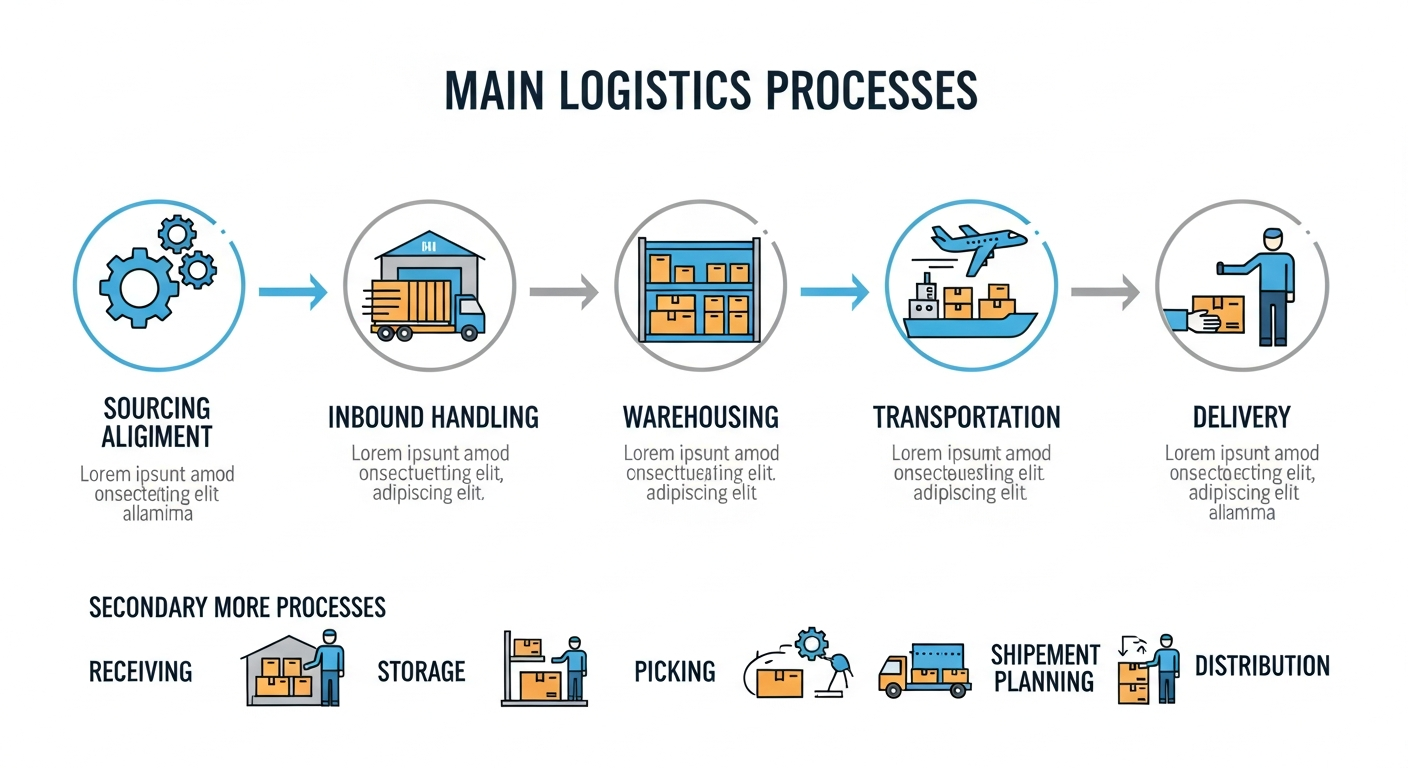
How these processes connect
Goods begin with procurement and supplier coordination. Upon arrival, shipments go through inbound scanning, labeling, and quality checks. Warehousing teams store goods using racking systems and digital inventory tools. Order preparation follows, where items are picked, inspected, and packed.
Transport methods—air, sea, road, rail, or courier—move shipments to hubs or final destinations. Tracking systems provide updates at each stage. Export and import procedures rely on clear HS codes, invoices, and customs forms. Together, these processes create a continuous flow from origin to delivery.
What are the key logistics functions?
Functions include planning, inventory control, transportation management, warehousing, packaging, and information flow.
All logistics functions work together to support fast and accurate supply-chain movement.
How each function supports operations
Planning sets shipment schedules, capacity needs, and routing strategies. Inventory control ensures stock levels match demand. Transportation management selects carriers, books routes, and monitors delivery. Warehousing manages storage, picking, and value-added tasks such as labeling or kitting.
Packaging protects goods from handling impact and ensures compliance for long-distance travel. Information systems—WMS, TMS, barcode scanners—provide real-time visibility and reduce errors. When all functions align, logistics maintains consistent performance even during peak seasons.
How does transportation fit into logistics?
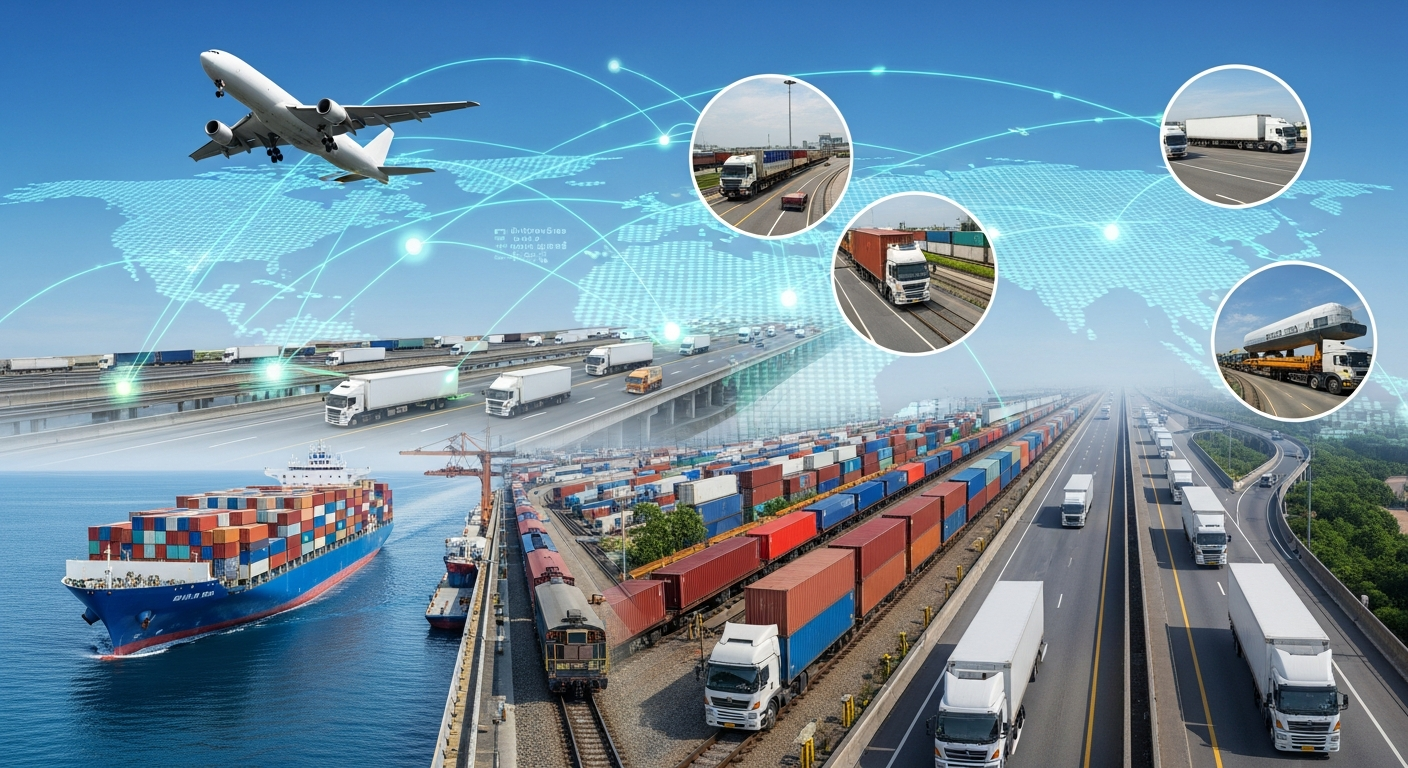
Transportation is the backbone of logistics, moving goods through local and global networks.
Transportation uses air, sea, road, or rail to move items according to speed and cost demands.
Why transportation matters
Air routes provide speed for urgent shipments. Sea freight supports high-volume, low-cost movement. Trucks handle regional distribution, while rail supports long-distance inland transport. Each mode requires proper packaging, accurate weight data, and correct documents.
External factors—weather, port congestion, carrier capacity—affect transit times. Clear routing plans and compliant paperwork help maintain predictable performance across transportation channels.
How do warehousing and inventory management support logistics?
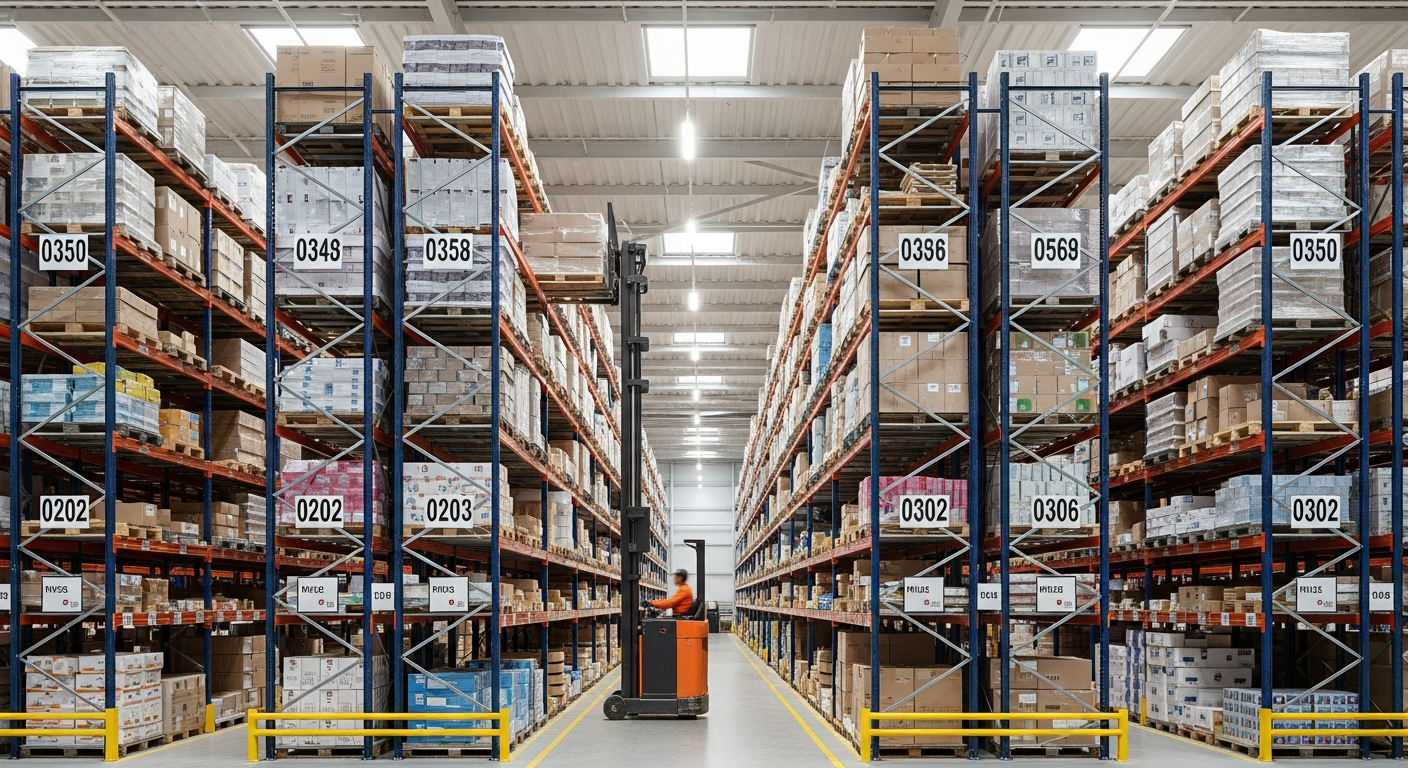
Warehousing stores goods, while inventory systems maintain accuracy and availability.
Warehousing and inventory control stabilize stock levels and support efficient order fulfillment.
Why these functions are essential
Warehouses receive incoming goods, verify SKU details, and store items in organized zones. Inventory tools track stock movements and prevent discrepancies. Picking teams rely on accurate stock data to prepare orders quickly and correctly.
Organized inventory reduces stockouts and avoids excess holding costs. Strong warehouse procedures keep goods moving efficiently and maintain consistent service levels.
Conclusion
Logistics includes all processes that move goods from origin to destination—transportation, warehousing, packaging, inventory control, and distribution. When documentation stays accurate and workflows remain clear, supply chains operate smoothly across all stages. Strong logistics improves delivery performance, reduces delays, and supports stable supply movement across domestic and global markets.
 English
  Chinese