
FTL and LTL are two common trucking methods used for inland transport in global supply chains.
FTL moves a full truckload for one shipper, while LTL combines multiple shippers’ goods into one vehicle.
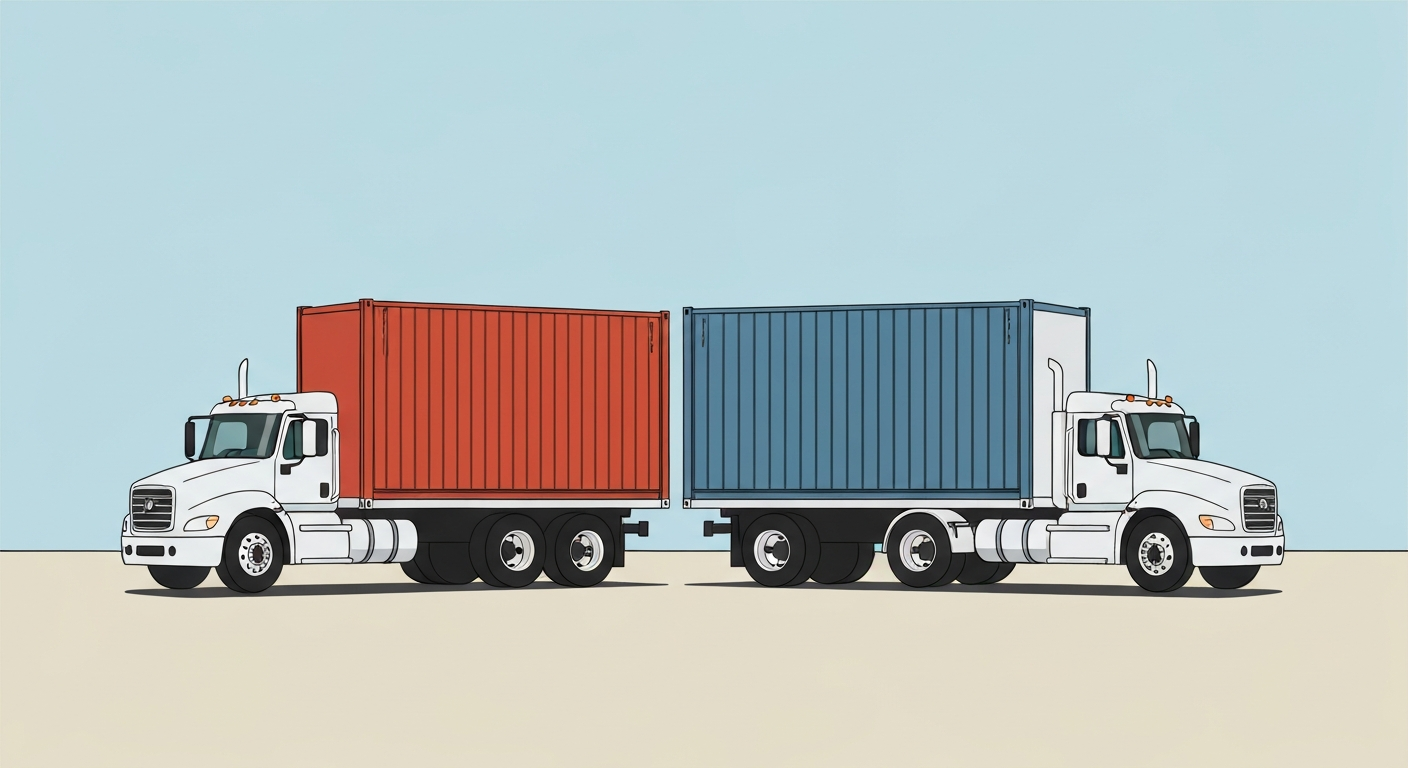
Understanding both options helps importers choose the right ground-transport model after their containers arrive at ports, rail ramps, or warehouses.
What are FTL and LTL in ground freight?
Domestic trucking becomes confusing when cargo size, timing, and cost vary.
FTL is a full truckload for one shipper; LTL shares space among multiple shippers.
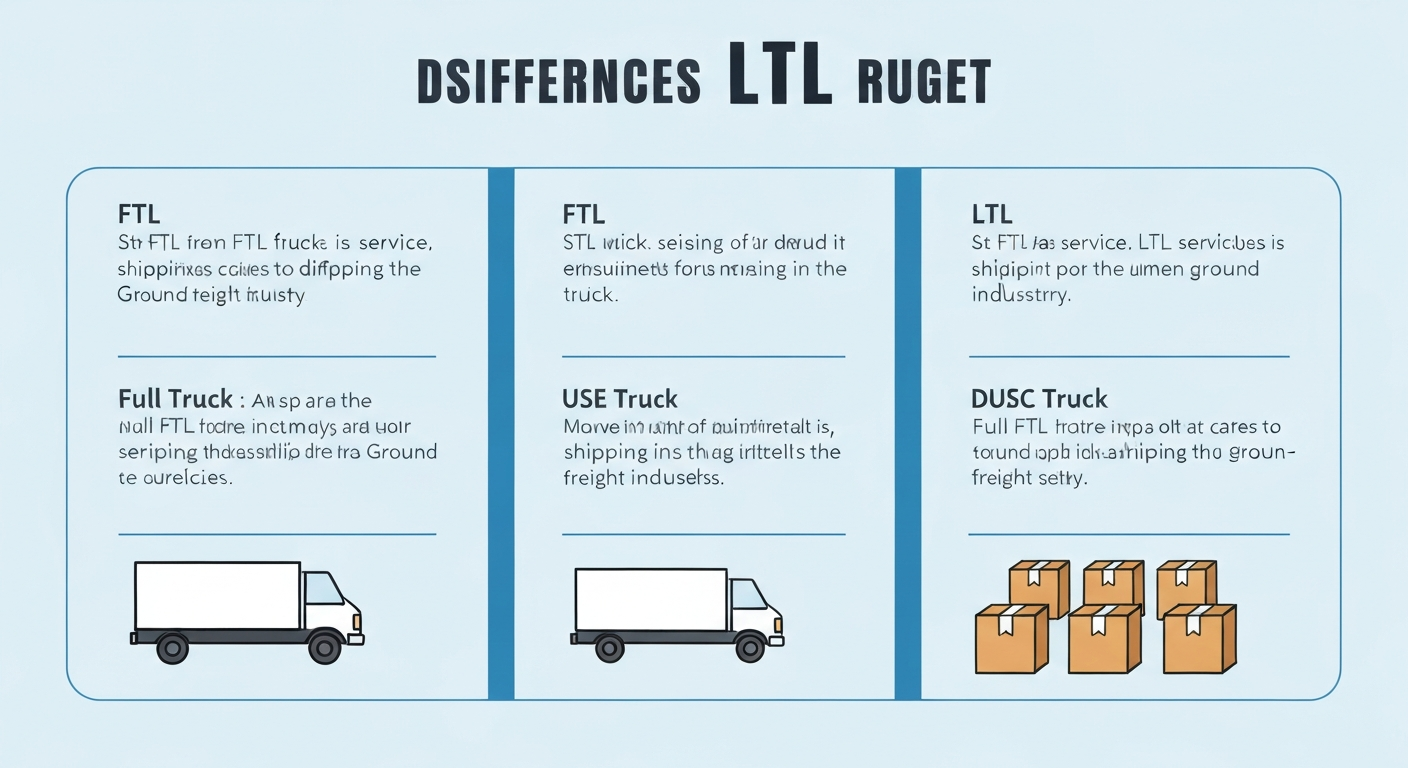
Definitions, Capacity Use, and Transport Flow
FTL (Full Truckload) uses the entire truck for one shipment. The driver picks up at one origin and delivers directly to the destination without additional stops. This reduces handling, speeds up transit, and improves cargo security.
LTL (Less Than Truckload) combines freight from several shippers. Goods move through terminals where freight is sorted, cross-docked, and reloaded. This lowers cost for small shipments but adds multiple handling points and transit variability.
Both methods are essential for inland delivery after ocean, rail, or air shipments. Importers use FTL for large replenishments and LTL for smaller, multi-location deliveries. When integrated with warehouse receiving and container drayage, both offer flexible last-mile solutions.
When should FTL be used?
Large payloads and tight delivery windows often require full control of trucking.
FTL is ideal when shipments fill most of a truck or need fast, direct delivery.
Volume, Safety, Speed, and Predictability
FTL works best when:
- Cargo volume occupies most of the truck space or weight limit
- Goods need minimal handling (electronics, fragile items, branded goods)
- Delivery deadlines are strict
- Pallets must remain untouched during transit
- Security is a priority for high-value products
With FTL, the truck travels straight to the destination. No terminal stops, no cross-docking, and fewer loading risks. This protects packaging and reduces claims.
FTL is commonly used for inventory replenishment from ports or 3PL warehouses. Importers moving 8–12 pallets or more often find FTL more cost-effective than LTL.
When does LTL make more sense?
Small-volume shipments don’t justify hiring a full truck.
LTL is suitable when freight occupies only a portion of a truck.
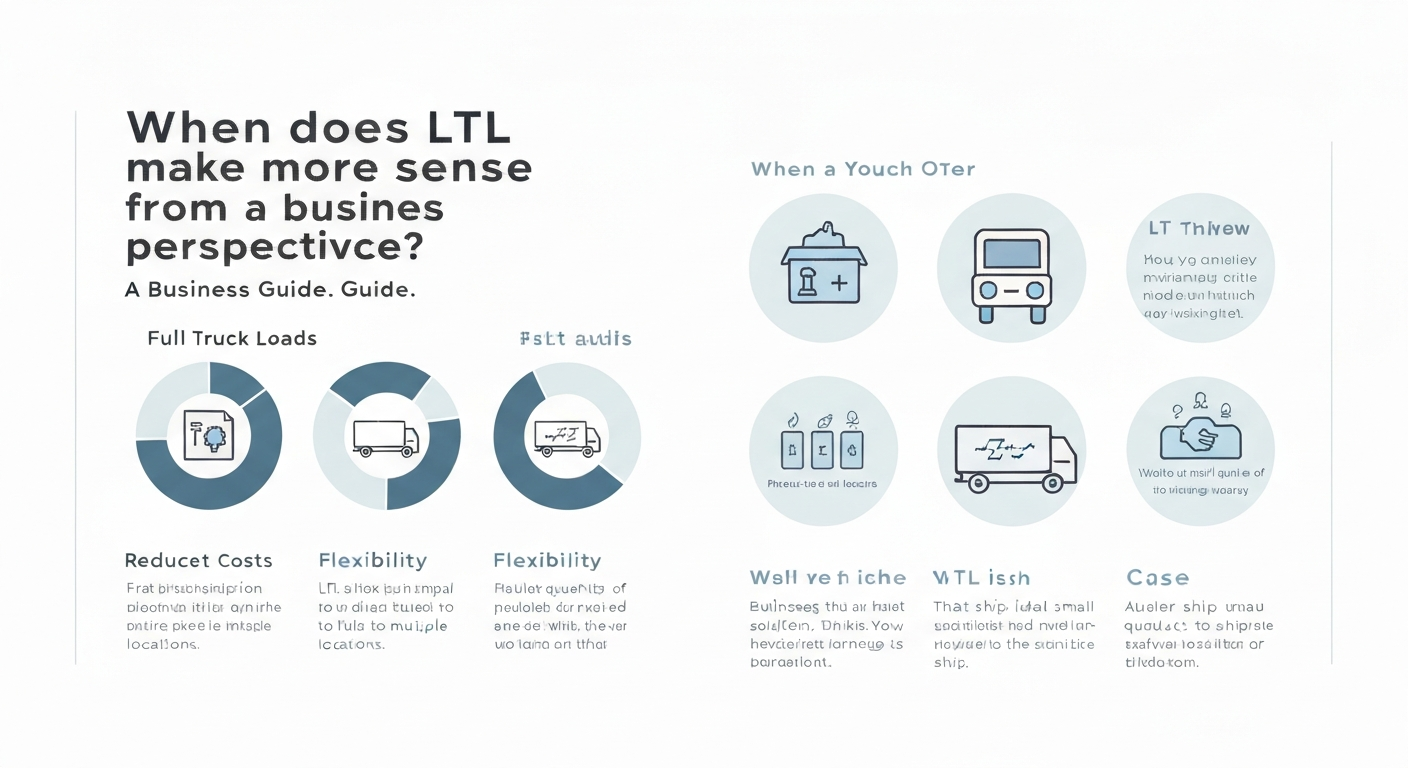
Cost Savings, Flexibility, and Network Reach
LTL works well for:
- Shipments under 1–6 pallets
- Orders going to multiple customers or retail stores
- Inventory testing or small restocks
- Businesses with frequent but low-volume shipping needs
LTL carriers consolidate and sort shipments through regional terminals. While cost per pallet is lower, transit time is less predictable due to routing and handling steps.
Proper packaging is essential since LTL freight travels through cross-dock facilities. Double-wall cartons, shrink wrap, and corner protectors reduce damage risk.
When importers distribute goods across multiple hubs or customers, LTL offers excellent flexibility without requiring large shipments.
What are the key differences between FTL and LTL?
The trucking method chosen affects price, timing, and risk.
FTL is direct and exclusive; LTL is shared and routed through terminals.
Side-by-Side Comparison
| Factor | FTL (Full Truckload) | LTL (Less Than Truckload) |
|---|---|---|
| Capacity | Entire truck | Shared with multiple shippers |
| Handling | Minimal | Multiple touchpoints |
| Transit time | Fast and predictable | Longer and variable |
| Cost | Higher total cost | Lower cost for small loads |
| Best for | Large shipments | 1–6 pallet transfers |
| Damage risk | Low | Medium due to cross-docking |
These differences guide planning for inland distribution after container arrivals at ports or rail ramps.
How do FTL and LTL influence supply-chain efficiency?
Ground transport strategies affect warehouse operations, inventory flow, and final delivery timing.
FTL improves speed and protection, while LTL increases flexibility and lowers cost for smaller loads.
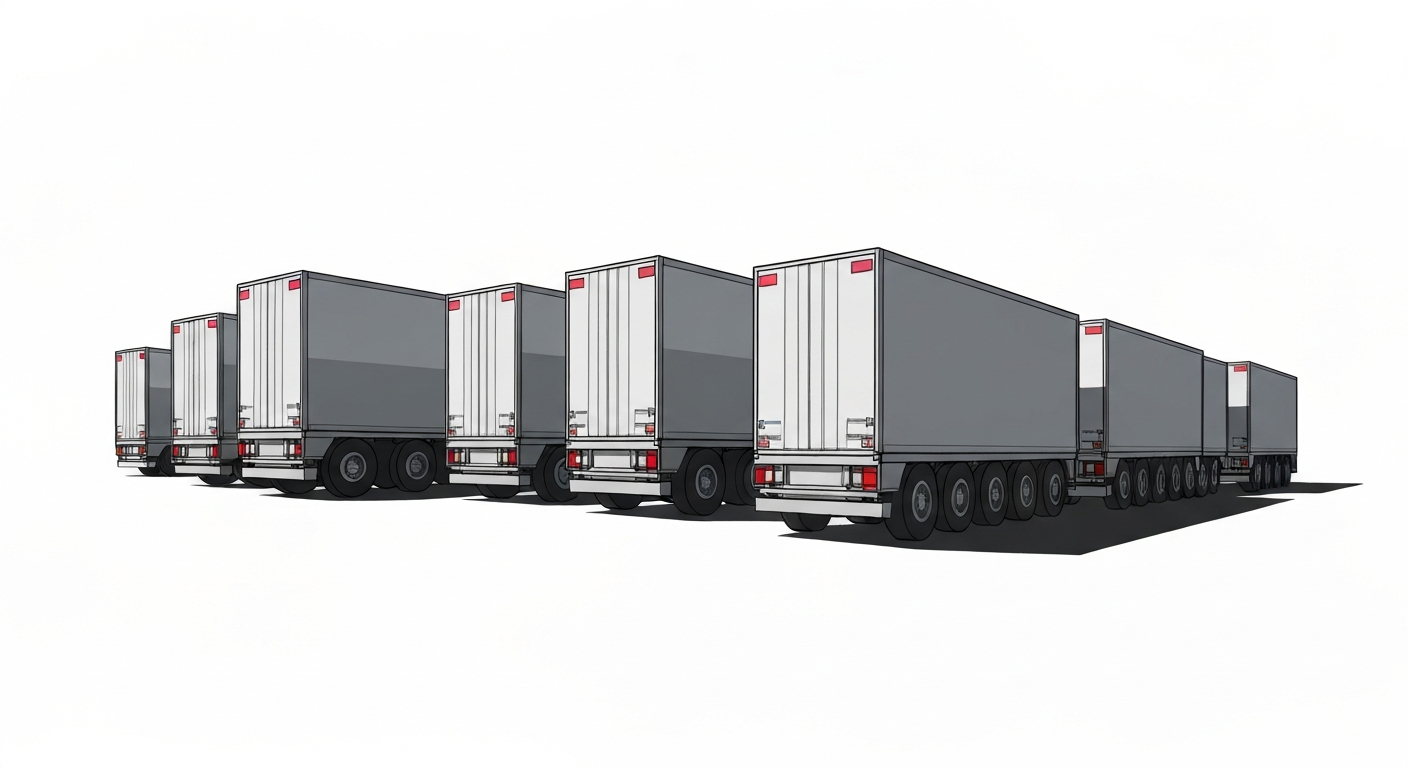
Inventory Planning, Fulfillment Speed, and Warehouse Flow
FTL supports efficient inventory restocking because full pallets arrive quickly and in bulk. It fits well with large distribution centers, Amazon prep facilities, and wholesale order fulfillment.
LTL enhances multi-destination shipping. Retailers, e-commerce sellers, and distributors rely on LTL to send partial shipments to multiple warehouses without overstocking.
Ground freight decisions impact container unloading schedules and warehouse labor planning. Smooth FTL/LTL coordination prevents dock congestion, avoids detention fees, and supports reliable downstream delivery.
What challenges come with each method?
Every trucking model has its risks and operational considerations.
FTL challenges include higher cost, while LTL challenges involve longer transit and higher handling exposure.
Cost, Handling Risk, and Scheduling Issues
FTL challenges:
- Higher cost for small shipments
- Seasonal shortages of trucks
- Limited flexibility when demand spikes
LTL challenges:
- Multiple handling points increase damage risk
- Longer transit due to terminal routing
- Freight class or cube rules affect pricing
- Requires strong packaging to survive cross-docking
Importers should compare cost per pallet, timing sensitivity, and cargo type before selecting FTL or LTL.
How does FTL/LTL integrate with container drayage and warehouse operations?
After an ocean or rail shipment arrives, cargo must move inland quickly.
FTL and LTL connect container drayage with warehouse receiving and final distribution.
End-to-End Flow, Consolidation, and Inland Coordination
A typical flow includes:
- Container drayage from port or rail terminal
- Warehouse unloading and palletization
- FTL or LTL dispatch for final distribution
FTL is ideal for moving large consolidated loads directly from the warehouse to major distribution centers. LTL serves smaller split shipments across regions or customer networks.
For importers sourcing from multiple Chinese factories, consolidation warehouses prepare pallets, verify labels, and align documents so ground freight moves smoothly without rework or delays.
Conclusion
FTL and LTL each serve different roles in ground transportation. FTL offers speed, security, and predictable transit for large shipments, while LTL provides flexibility and cost savings for smaller loads. With strong consolidation, accurate labeling, and coordinated warehouse operations, both trucking methods become reliable tools for efficient inland distribution and stable supply-chain performance.
 Chinese
  English