
Scheduling a shipment pickup ensures parcels enter the carrier network efficiently without requiring a drop-off.
A pickup can be arranged online, through a carrier portal, or via an integrated logistics system by providing shipment details, location, and preferred time window.
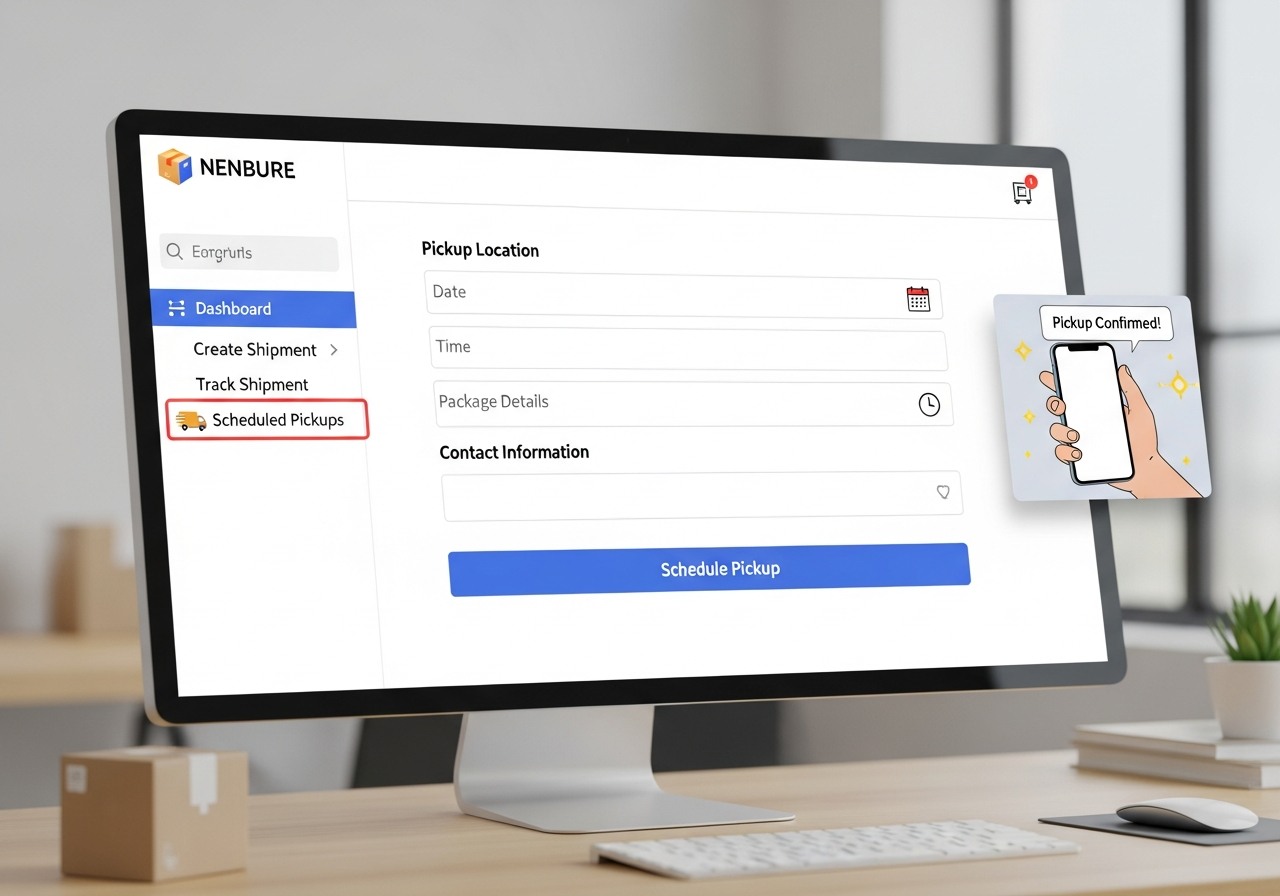
A structured pickup process reduces handling time, stabilises dispatch workflows, and supports predictable transportation planning across domestic and international operations.
Key Information Required Before Scheduling a Pickup
Pickup bookings require accurate shipment data. Carriers verify weight, dimensions, service type, and collection address to assign the correct vehicle and route.
Essential details
- Total number of parcels
- Weight and dimensions
- Shipping service level (express, economy, freight)
- Collection address and contact information
- Hazardous or sensitive cargo notes
- Preferred pickup date and time window
Accurate information prevents failed pickups, surcharges, or rescheduling delays.
Scheduling a Pickup Through Carrier Platforms
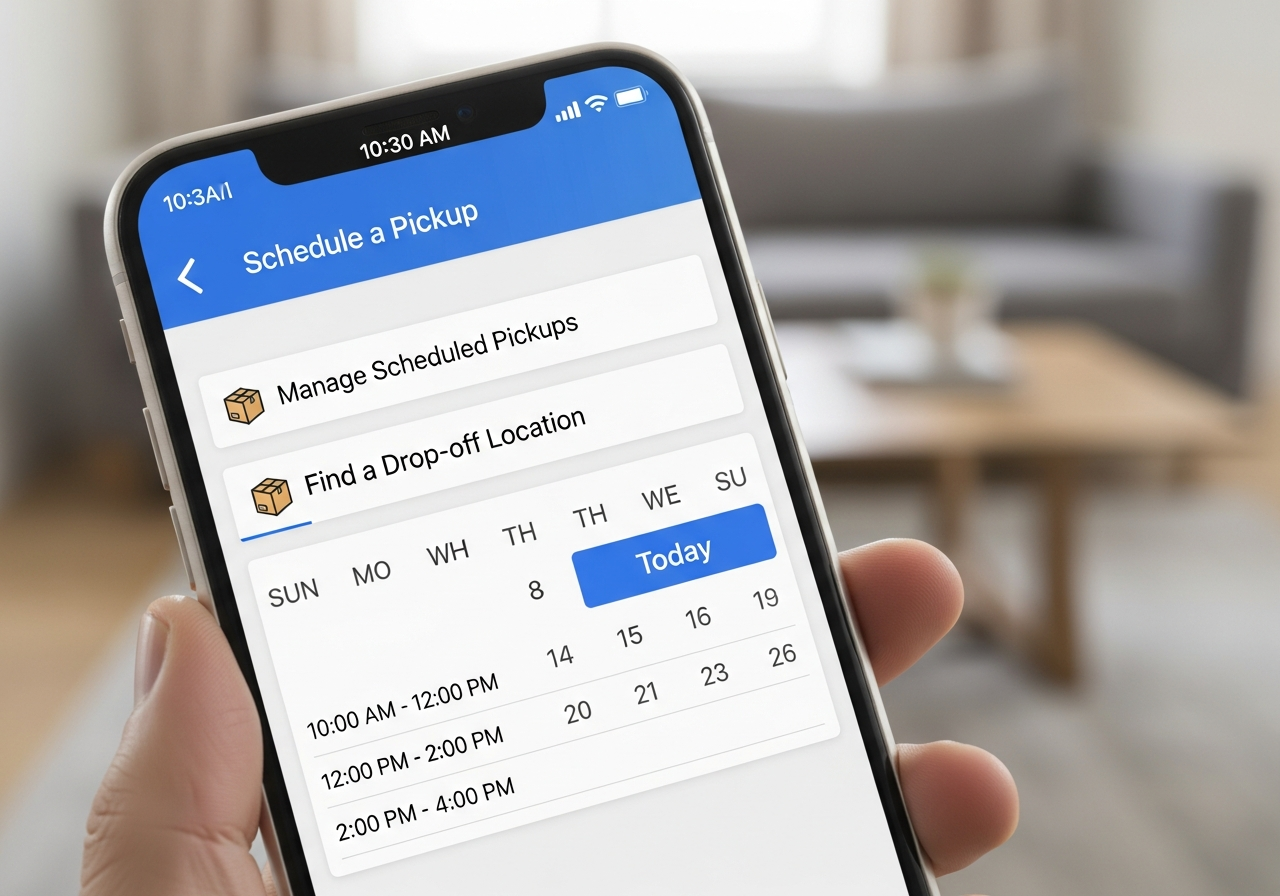
Most major carriers provide online booking portals. These systems streamline dispatch planning and allow real-time appointment confirmation.
Common carrier methods
- DHL Express: Pickup request via MyDHL+
- UPS: UPS.com pickup scheduling or Daily Pickup services
- FedEx: FedEx Ship Manager pickup booking
- USPS: Free and paid pickup options through USPS.com
Carriers may offer same-day or next-day pickup depending on location, service level, and cutoff times.
Scheduling a Pickup Through Shipping Software or Integrations
Integrated shipping systems automate pickup management for high-volume operations.
APIs and logistics platforms synchronise order processing, label creation, and dispatch planning in one environment.
Benefits of integrated scheduling
- Automatic pickup requests triggered by order volume
- Real-time tracking and status updates
- Unified carrier management for multi-carrier workflows
- Reduced manual data entry and booking errors
This method supports scalability and consistent dispatch timelines.
Preparing Shipments Before the Pickup

Proper preparation ensures carrier acceptance and reduces failed pickup attempts.
Carriers often impose packaging and labeling standards to maintain transport safety and compliance.
Pre-pickup requirements
- Labels printed and securely attached
- Parcels packed according to carrier guidelines
- Documents such as commercial invoices or export forms ready for international shipments
- Clear access paths for the pickup vehicle
- Parcels staged in a single, visible area
Organised preparation enables efficient loading and reduces dwell time for the driver.
Understanding Cutoff Times, Fees, and Service Restrictions
Pickup availability varies across regions and service tiers.
Some locations require advanced notice, while others support on-demand collection.
Key factors
- Cutoff times: Requests submitted after cutoff may roll over to the next day
- Pickup fees: Some carriers apply surcharges based on location, frequency, or shipment type
- Service restrictions: Oversized, dangerous goods, or heavy freight may require specialised vehicles
- Residential vs commercial: Availability may differ by address category
Clear awareness of these conditions improves planning accuracy and reduces unexpected charges.
Tracking and Managing Pickup Status
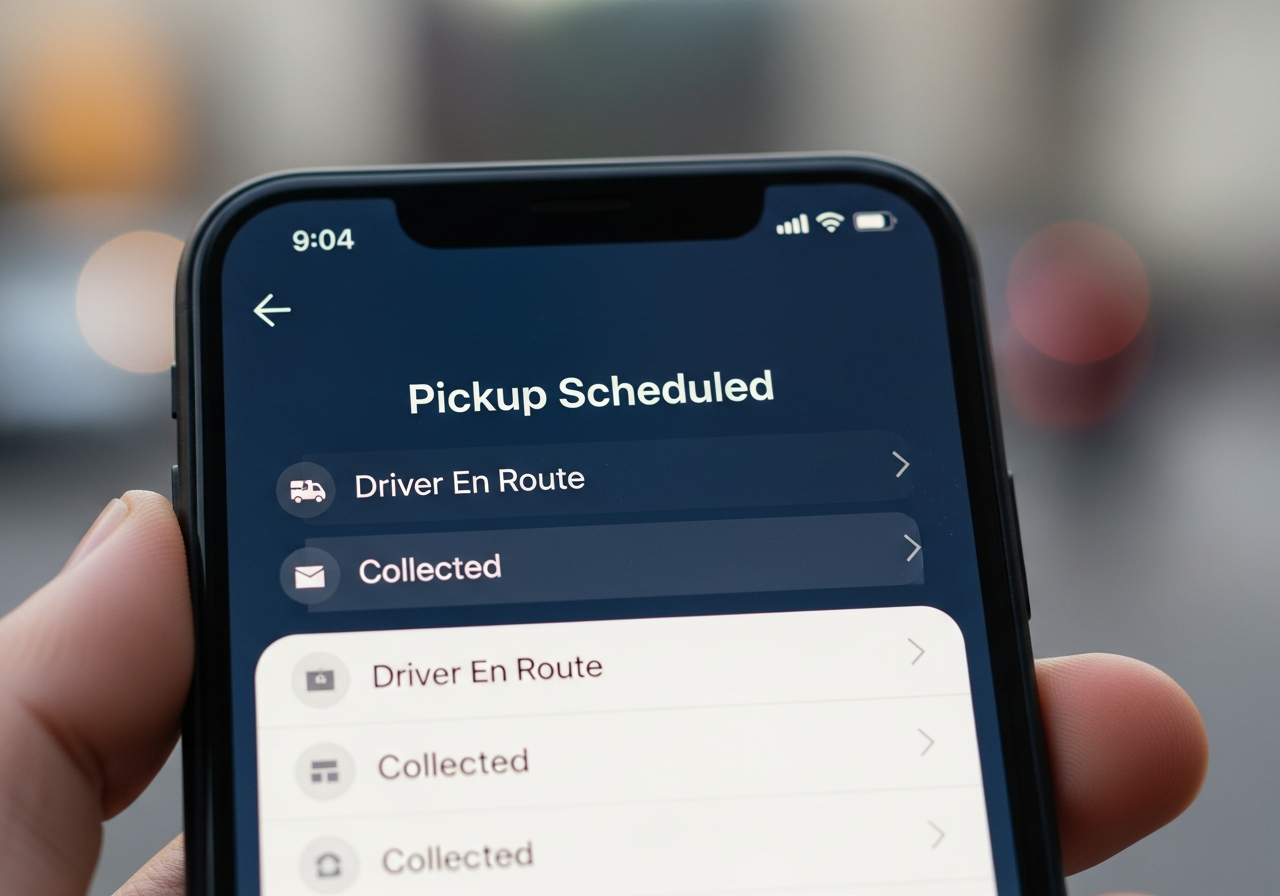
After scheduling, monitoring the pickup ensures full visibility of the shipment’s start time in the carrier network.
Most platforms update status codes such as “Pickup Scheduled,” “Driver En Route,” or “Collected.”
Management tools
- Carrier dashboards
- Automated notifications
- API status checks
- Warehouse logs documenting collection time and parcel count
Accurate pickup confirmation supports downstream processes such as customs entry, routing optimisation, and delivery forecasting.
Conclusion
Shipment pickup scheduling requires clear shipment data, correct use of carrier or platform tools, and well-prepared parcels.
A structured process improves dispatch reliability, reduces operational delays, and enhances end-to-end logistics performance.
Consistent documentation, adherence to cutoff times, and proactive tracking enable stable transportation flows and support scalable supply-chain operations across diverse shipping environments.
 Chinese
  English