
Understanding ODM and OEM models helps importers choose the right production strategy for cost, control, and speed.
OEM focuses on producing a buyer’s design, while ODM provides ready-made or customizable designs created by the manufacturer.
A clear distinction between the two models allows smoother planning, better cost forecasting, and more efficient supplier coordination when sourcing from China.
What separates ODM from OEM in product development?
Manufacturers and importers often struggle to balance design freedom, cost, and development speed.
OEM produces according to a buyer’s design; ODM offers manufacturer-developed designs for direct branding.
Development Workflow and Its Operational Impact
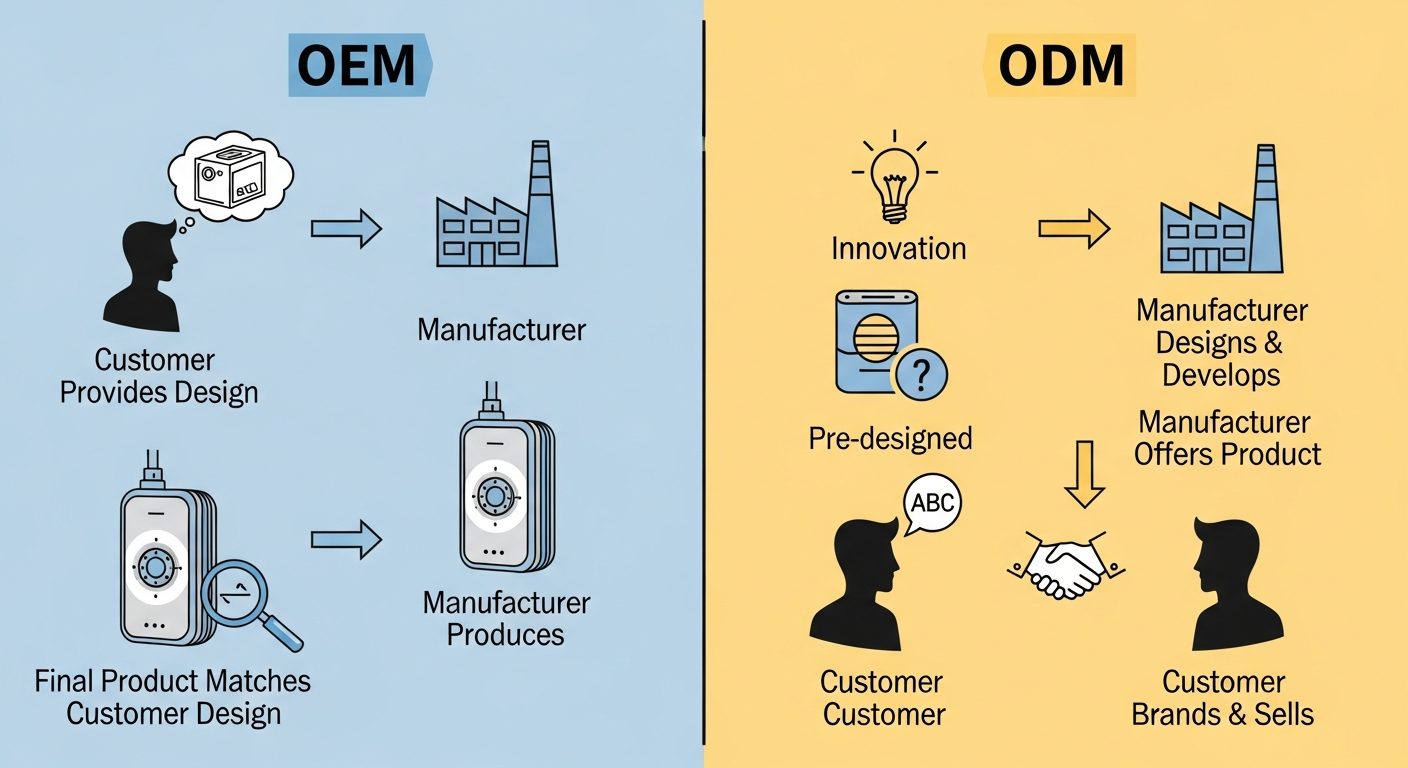
OEM production begins with a completed product concept, drawings, materials list, and functional requirements provided by the buyer. The factory focuses mainly on manufacturing, quality control, and compliance testing. This model suits brands with strong R&D teams and clear technical specifications. The timeline depends on the complexity of the provided design, often involving sample verification, tooling creation, and engineering adjustments.
ODM follows a different flow. Factories develop their own designs, tooling, and internal engineering. Importers choose from available models and request changes such as colors, materials, or packaging. This model reduces R&D investment, accelerates time-to-market, and minimizes costly design errors. It is popular in consumer electronics, beauty devices, home appliances, and automotive accessories.
When a logistics provider supports OEM/ODM shipments, consistent document handling becomes vital. Sensitive components—batteries, liquids, or magnetic parts—require certificates and customized packaging. Strong coordination between supplier, warehouse, and export teams prevents mismatches and ensures faster outbound movement for both manufacturing models.
How does OEM affect customization flexibility?
Many brands need high customizability but worry about long lead times.
OEM provides maximum customization because manufacturers follow the buyer’s detailed specifications.
Customization Scope, Risks, and Quality
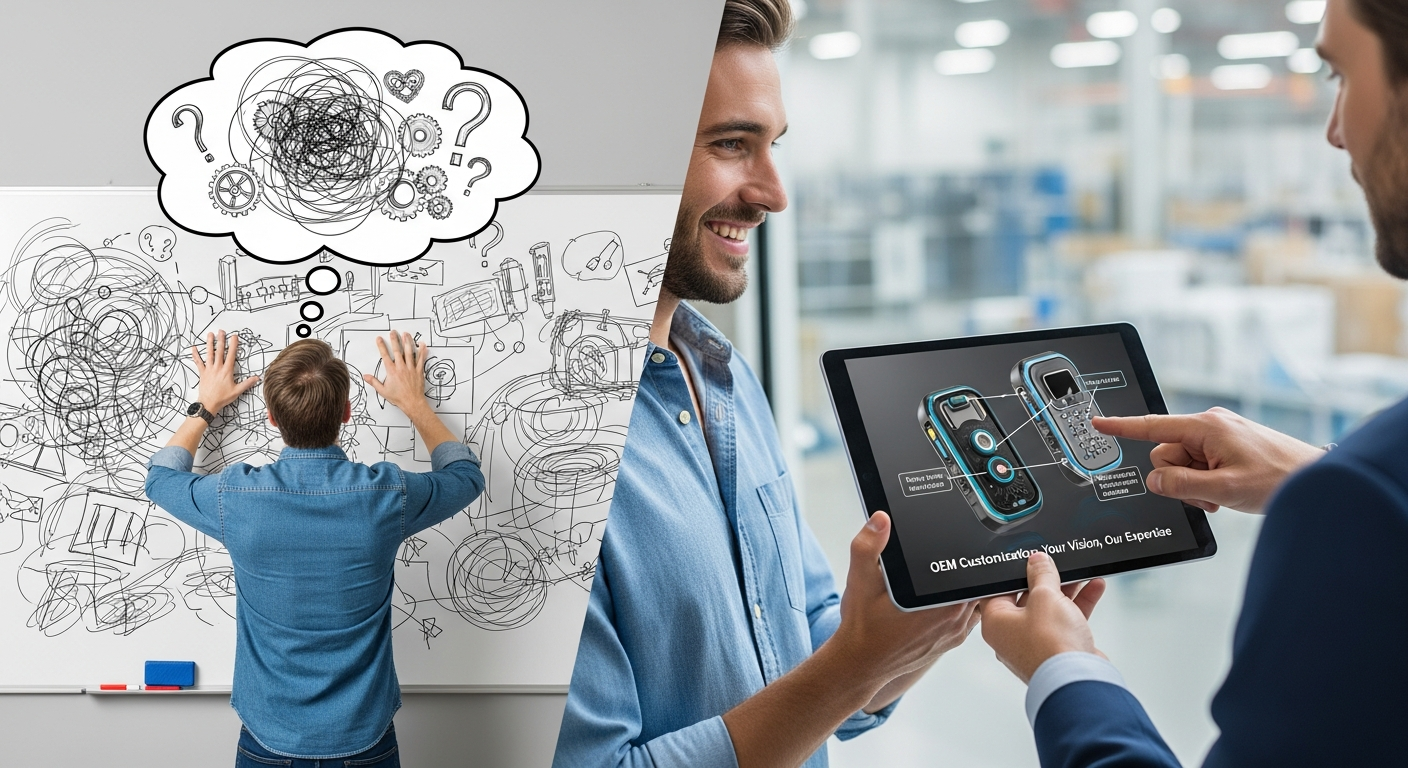
OEM offers freedom to adjust every aspect of a product—structure, functions, materials, components, and firmware. This benefits companies building unique solutions or filing patents. Engineering teams collaborate closely with the factory to ensure feasibility and compliance with destination-country regulations. OEM production often requires mold development, engineering verification, and multiple sample rounds.
However, greater customization introduces higher cost and longer timeframes. Quality consistency depends heavily on documentation clarity and engineering communication. Importers working with several Chinese suppliers often face challenges such as mismatched specifications, inconsistent components, and incomplete certifications.
Warehouses supporting OEM shipments play a crucial role during consolidation. They check carton labels, dimensions, and compliance marks before loading containers. This prevents customs issues at major ports like Los Angeles or Sydney. When logistics teams handle technical files and export documents, OEM cargo moves through customs more reliably, reducing risk of delays.
How does ODM help reduce development time?
Fast market entry is often essential for competitive categories.
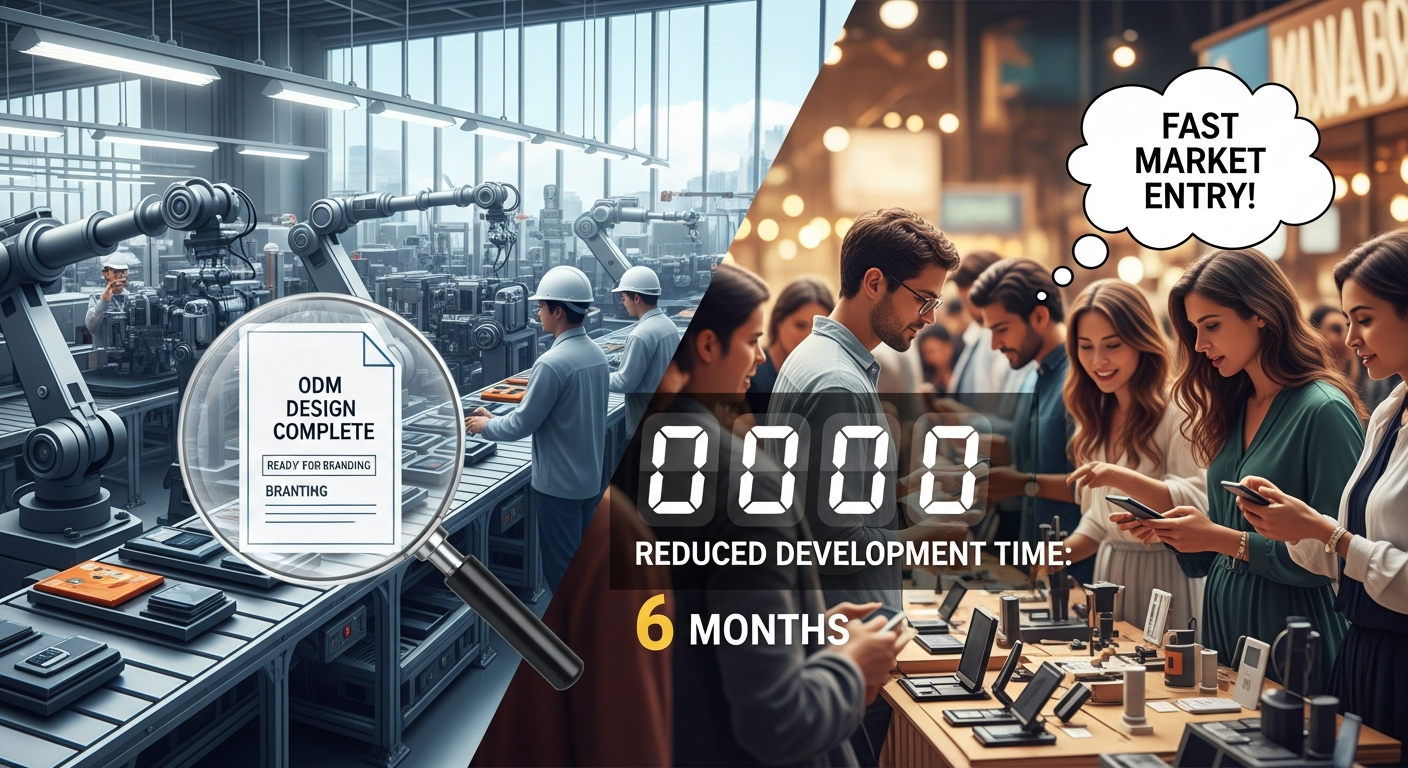
ODM shortens development time because factories already have complete designs ready for branding.
Pre-Developed Designs and Supply-Chain Efficiency
ODM factories maintain an internal library of ready-made designs. Importers select a model and adjust elements such as color, accessories, packaging layout, or logo printing. This eliminates the need for engineering drawings, mold investments, or lengthy prototypes. ODM is ideal for seasonal products, promotional items, or high-volume consumer goods requiring rapid replenishment.
Shorter development cycles reduce financial risk and allow businesses to test the market before committing to large R&D budgets. Factories with strong design teams also update models frequently, giving importers access to the latest industry trends without heavy research.
From a logistics perspective, ODM products benefit from predictable packaging and standardized shipping data such as carton size, HS code, and material composition. This consistency simplifies export declaration and reduces clearance issues at destination ports. When consolidation services manage multiple ODM suppliers, container loading becomes easier and faster, improving overall supply-chain efficiency.
What cost differences exist between ODM and OEM?
Budget planning becomes difficult when development costs vary across suppliers.
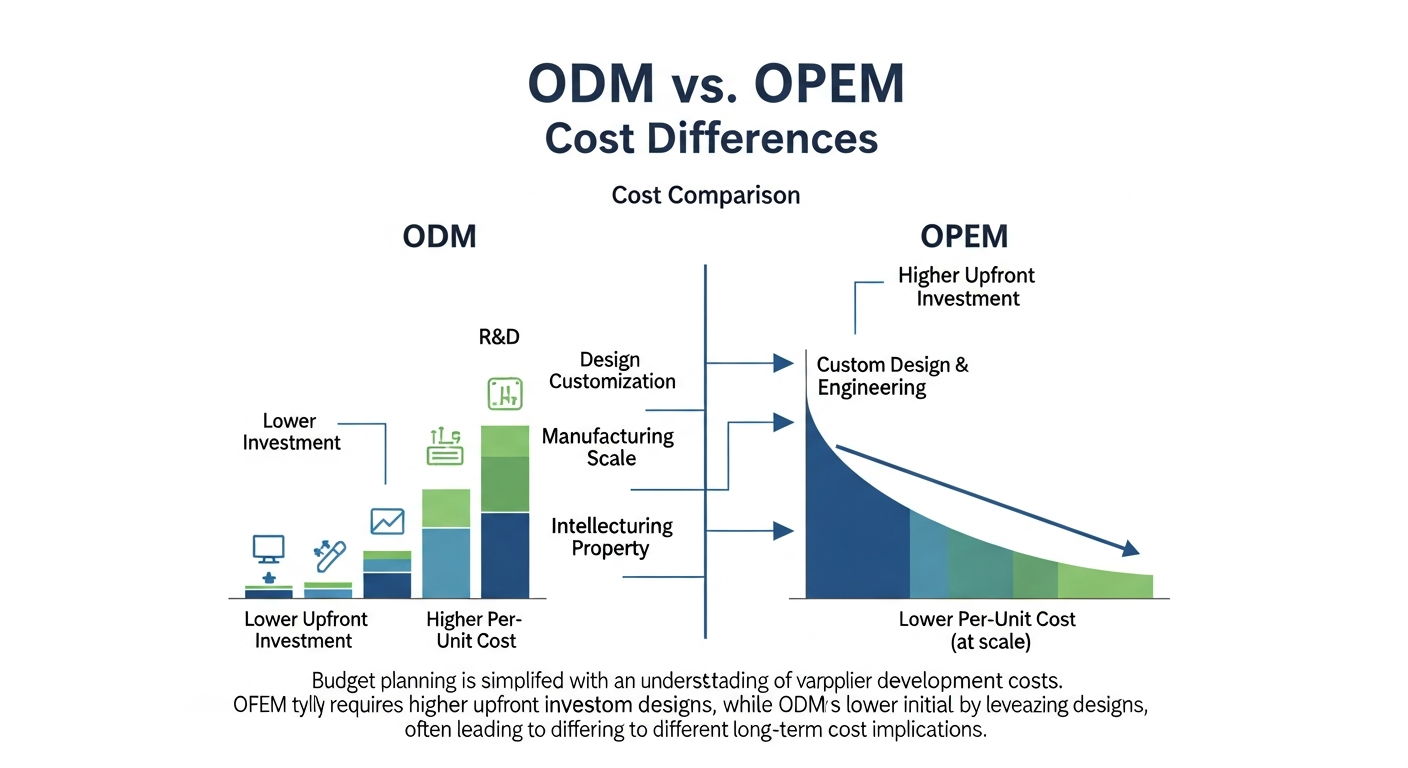
OEM usually requires higher upfront investment, while ODM offers lower initial costs.
Tooling, MOQ, and Long-Term Cost Strategy
OEM often involves tooling fabrication, design engineering, prototype iterations, and specialized material sourcing. These add to initial investment. MOQs are normally higher because factories must recoup engineering and tooling costs. Long-term unit prices may decrease if production volumes grow, but early-stage spending remains significant.
ODM minimizes upfront cost because designs already exist. Factories spread development cost across many clients, which keeps MOQ requirements lower and unit pricing more stable. This model benefits new importers, online sellers, and businesses testing new product lines.
Accurate cost planning requires standardized packaging and freight coordination. For both ODM and OEM shipments, reliable logistics support helps prevent unexpected fees caused by non-compliant packaging, oversized cartons, or incorrect invoices. When freight partners handle export documentation and consolidation, importers maintain better control over landed cost and profit margins.
Which model is better for brand protection?
Brands worry about imitation, unauthorized selling, and design leaks.
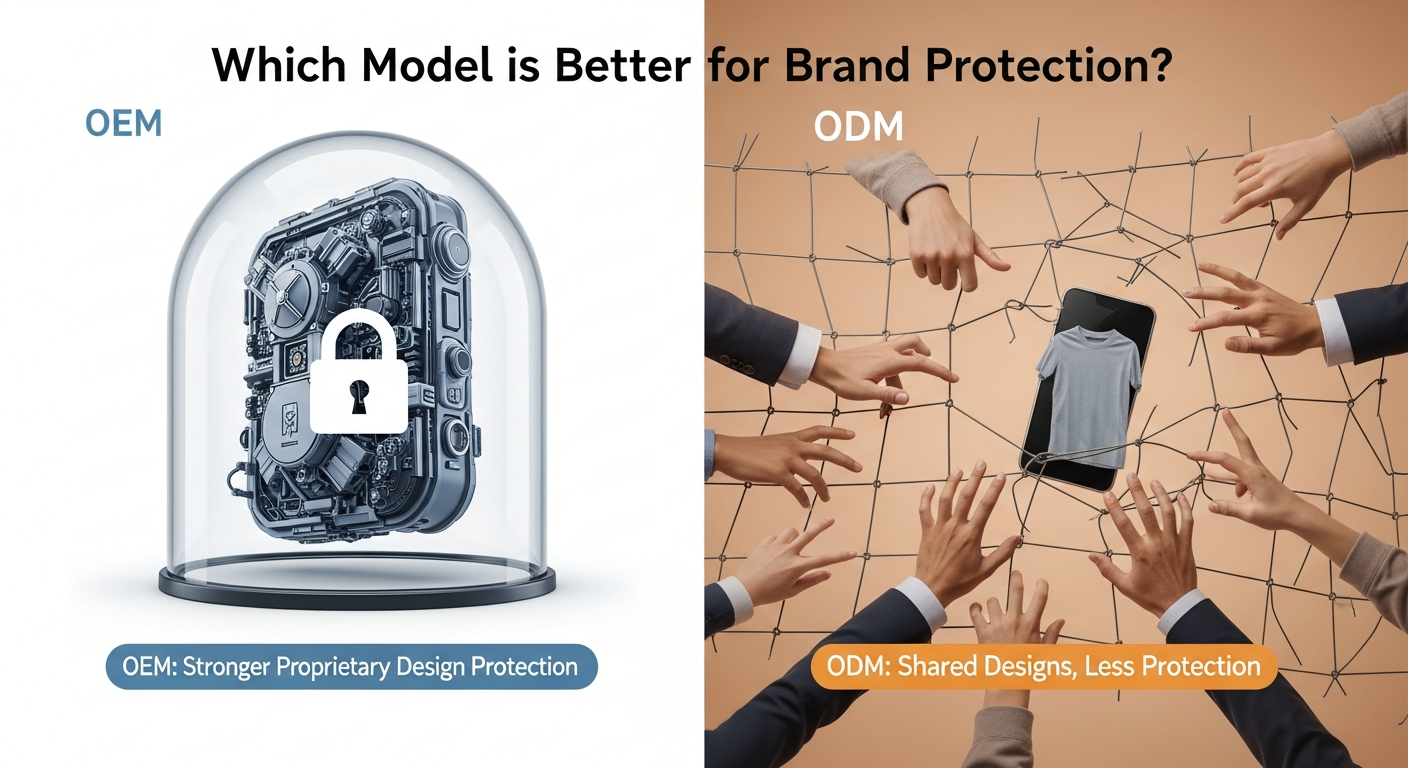
OEM offers stronger protection for proprietary designs; ODM requires shared designs that may be used by multiple clients.
Intellectual Property Control and Compliance
OEM gives full ownership of the product design. Factories manufacture based on confidential drawings under non-disclosure agreements. This ensures a higher level of IP protection, especially for patented structures or unique functionalities. Brands aiming for exclusivity, long-term differentiation, or premium positioning often choose OEM.
ODM involves shared designs owned by the factory. Although customization can differentiate products, the base model may be sold to multiple buyers. This makes ODM less suitable for highly competitive or patent-heavy categories. However, ODM still supports semi-exclusive arrangements when factories offer region-specific or volume-based exclusivity agreements.
Strong supply-chain management ensures safer handling of branded products at every stage—factory pickup, warehouse consolidation, container loading, and customs declaration. Clear documentation prevents customs holds related to brand authorization. Professional freight teams help maintain compliance for shipments to markets with strict IP regulations, such as the United States, EU, or Gulf countries.
Conclusion
ODM and OEM offer different strengths for product creation, customization, and cost planning. OEM suits brands seeking unique designs and strong IP protection, while ODM accelerates development and reduces upfront investment. Understanding both models helps importers choose the right path and build a stable supply chain that supports long-term business growth across global markets.
 Chinese
  English