Transportation in logistics refers to all methods used to move goods across supply chains.
The main transportation types are road, rail, air, ocean, and multimodal—each supporting different cargo needs, distances, and delivery speeds.

Clear understanding of transport modes helps businesses select the most efficient routes, improve cost control, and maintain stable global distribution.
What is road transportation?
Road freight is the most flexible method and supports door-to-door delivery.
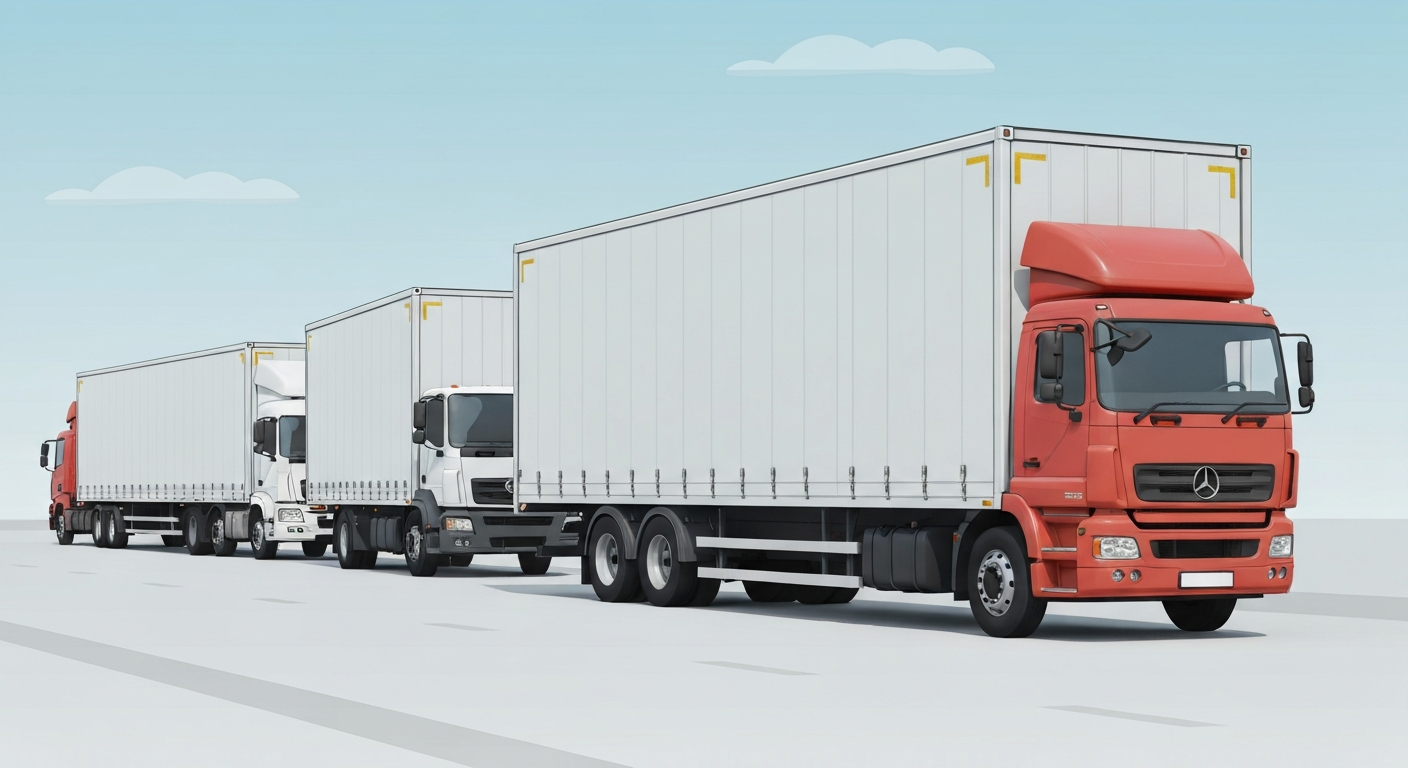
Road transportation uses trucks and vans to move goods directly between suppliers, warehouses, and customers.
Flexibility, Coverage, and Short-Distance Efficiency
Road transportation covers short and medium distances with maximum route flexibility. Trucks handle palletized goods, LTL/FTL shipments, temperature-controlled cargo, and final-mile delivery from ports or rail terminals. Road networks support daily operations, regional distribution, and urgent deliveries.
This mode offers fast pickup, simplified documentation, and easy access to remote areas. It plays a key role in multimodal logistics by linking ports, airports, and warehouses. Businesses rely on road transport for consistent replenishment, store distribution, and e-commerce fulfillment.
With strong scheduling, safe loading, and tracking systems, road freight maintains predictable timelines and reduces handling risk.
What is rail transportation?
Rail moves large volumes efficiently over long distances.
Rail transportation uses trains to move heavy cargo cost-effectively across inland regions.
High Capacity, Cost Efficiency, and Inland Connectivity
Rail freight handles heavy commodities, containers, bulk materials, and long-distance shipments. Rail networks connect ports to inland hubs, supporting large-scale distribution. This mode offers lower cost per ton-mile than road and reduces emissions.
Rail is ideal for FCL container transport, industrial materials, construction supplies, and high-volume replenishment. Although slower than road for short distances, rail excels in stable long-haul operations. Intermodal systems combine rail with trucks to extend coverage.
Businesses lean on rail when moving consistent volumes, reducing fuel cost, and avoiding road congestion.
What is air transportation?
Air freight is the fastest method for international shipments.
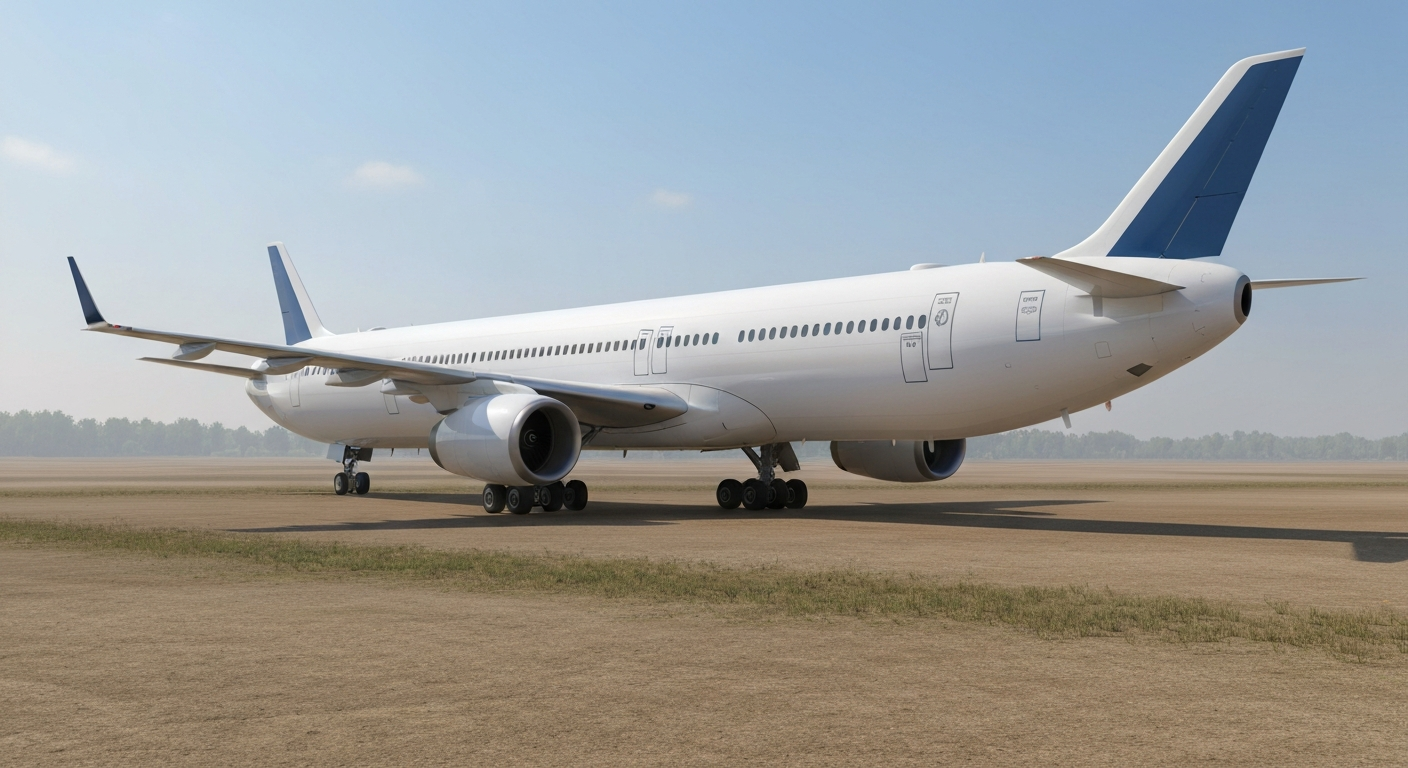
Air transportation uses aircraft to move time-sensitive goods globally.
Speed, Reliability, and Global Reach
Air freight delivers goods quickly across continents, supporting industries that depend on rapid replenishment. It is ideal for electronics, medical supplies, high-value items, and urgent cargo. Airports provide tracking accuracy and controlled handling environments.
Although more expensive, air freight shortens lead times and reduces inventory pressure. This mode integrates with road transport for airport pickup and final delivery. Businesses choose air when speed outweighs cost and when product value justifies rapid transit.
Precise documents—AWB, invoice, packing list—ensure smooth airport clearance and transit.
What is ocean transportation?
Ocean freight is the most economical option for large international shipments.
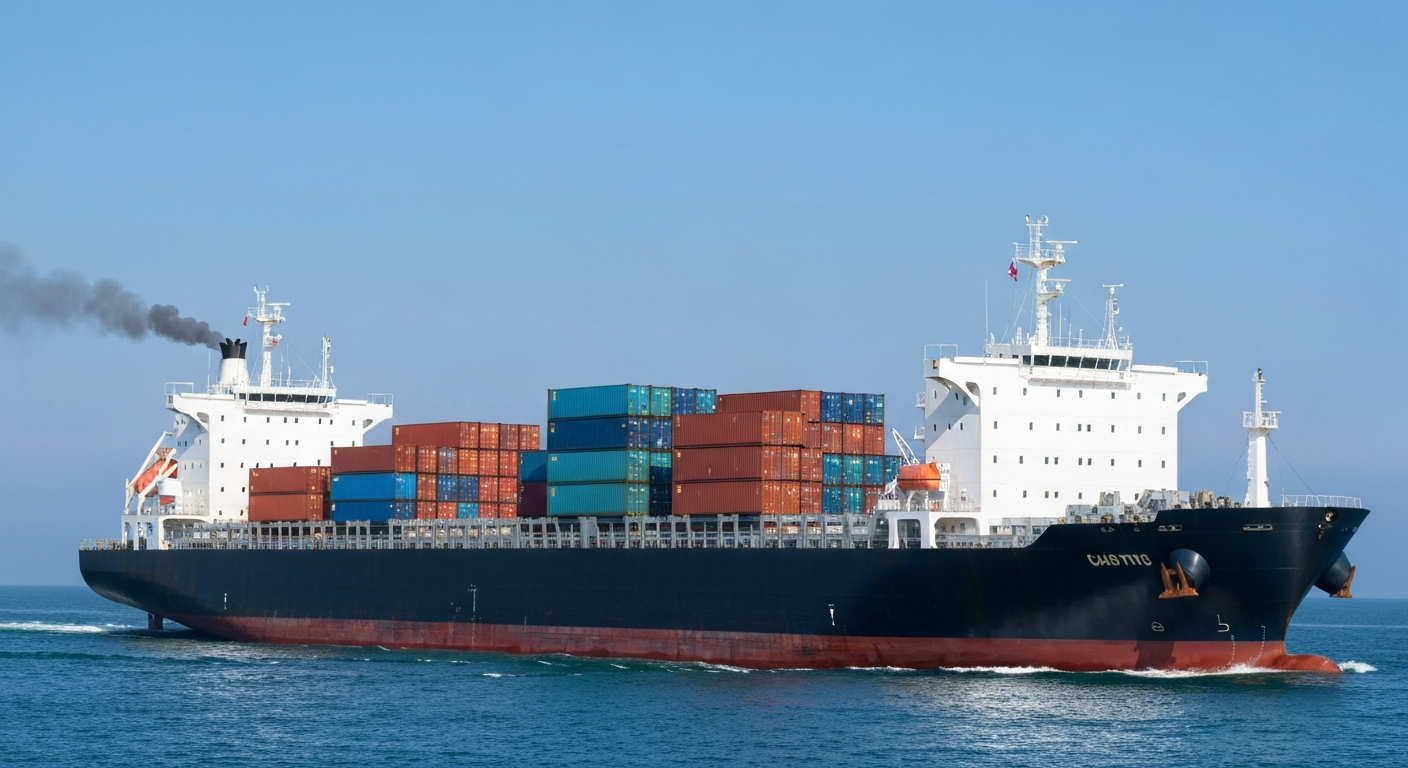
Ocean transportation uses container vessels, bulk carriers, and special ships to move cargo worldwide.
Global Capacity, Cost Advantage, and Scalability
Ocean freight is essential for global trade. Containers move FCL or LCL shipments across major trade lanes. Bulk carriers transport raw materials like steel, grain, and minerals. Specialized vessels handle break bulk, project cargo, and oversized freight.
Although slower than air, ocean provides massive capacity at the lowest cost per unit. It supports cross-border supply chains, high-volume imports, and long-term procurement cycles. Businesses rely on ocean shipping for stable, predictable large-scale logistics.
Multimodal integration ensures smooth movement from vessels to trucks and rail systems.
What is multimodal transportation?
Complex supply chains require multiple transport modes working together.
Multimodal transportation combines two or more transport modes under a coordinated logistics plan.
Integrated Routing, Efficiency, and Cost Optimization
Multimodal transport connects road, rail, air, and ocean into one streamlined process. Examples include:
- Truck + ocean freight
- Rail + truck + ocean
- Air + truck distribution
- Rail + barge + truck for inland delivery
This system improves flexibility, reduces bottlenecks, and optimizes costs. Standardized containers allow transfers without unloading cargo, reducing damage and handling time.
Businesses with global sourcing use multimodal solutions to reach inland markets, maintain stability, and manage complex distribution networks.
What is pipeline transportation?
Certain industries require continuous, uninterrupted movement of liquids or gases.
Pipeline transportation moves liquids, gases, chemicals, and fuels through fixed infrastructure.

Continuous Flow, Safety, and Industrial Use
Pipelines transport oil, natural gas, refined fuels, chemicals, and industrial liquids. This mode offers high reliability, low operational cost, and minimal handling. Although not used for general consumer goods, it is crucial for energy, manufacturing, and petrochemical sectors.
Pipeline networks support stable industrial supply and integrate with tanker ships, rail, and road tankers for wider distribution.
What determines which transportation type to choose?
Selecting the right mode depends on cost, cargo type, distance, and delivery urgency.
Transport choice is influenced by speed requirements, budget, cargo characteristics, and destination location.
Cost, Time, Cargo Needs, and Supply-Chain Goals
Key decision factors include:
- Delivery time requirements
- Cargo size, weight, and sensitivity
- Budget and cost limits
- Distance and route infrastructure
- Customs and regulatory restrictions
- Final delivery points
- Supplier locations and warehouse capacity
Transport planning must balance speed and cost while ensuring cargo safety and smooth customs clearance. Multimodal design often provides the most efficient combination.
Conclusion
Transportation in logistics includes road, rail, air, ocean, multimodal, and pipeline systems—each serving different cargo and operational needs. Together, they form the backbone of global supply chains, enabling reliable movement from suppliers to warehouses and final customers. With clear understanding of each mode’s strengths, businesses can design efficient, cost-effective, and flexible logistics networks that support stable long-term growth.
 Chinese
  English