Transportation models describe structured methods used to move goods efficiently across supply chains.
The main models include direct transport, hub-and-spoke, multimodal, intermodal, and milk-run routing—each designed for different cargo flows and cost goals.
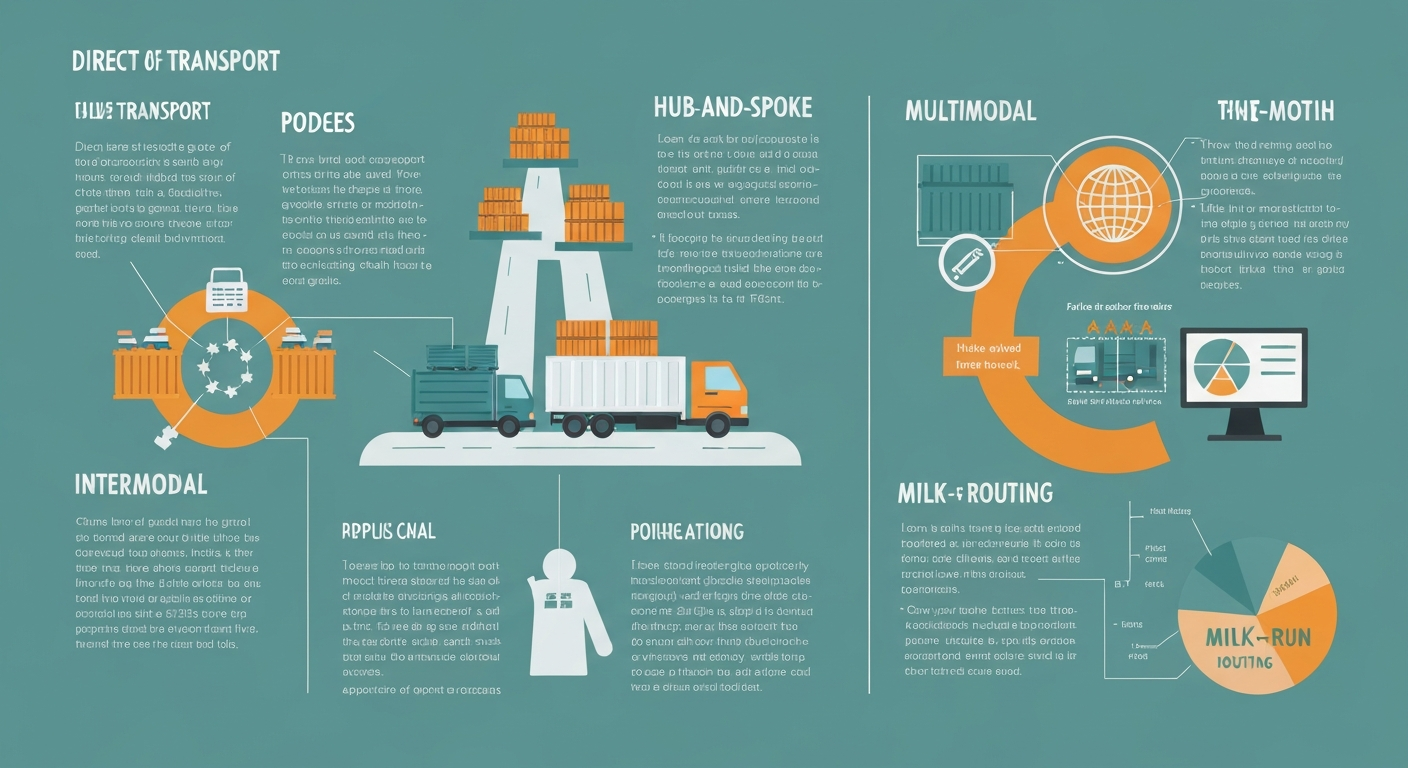
Understanding transportation models helps businesses optimize routing, reduce handling, and improve delivery reliability.
What are transportation models in logistics?
Growing supply chains require clear systems to organize movement across multiple locations.
Transportation models are strategic frameworks that define how freight moves between suppliers, hubs, and destinations.
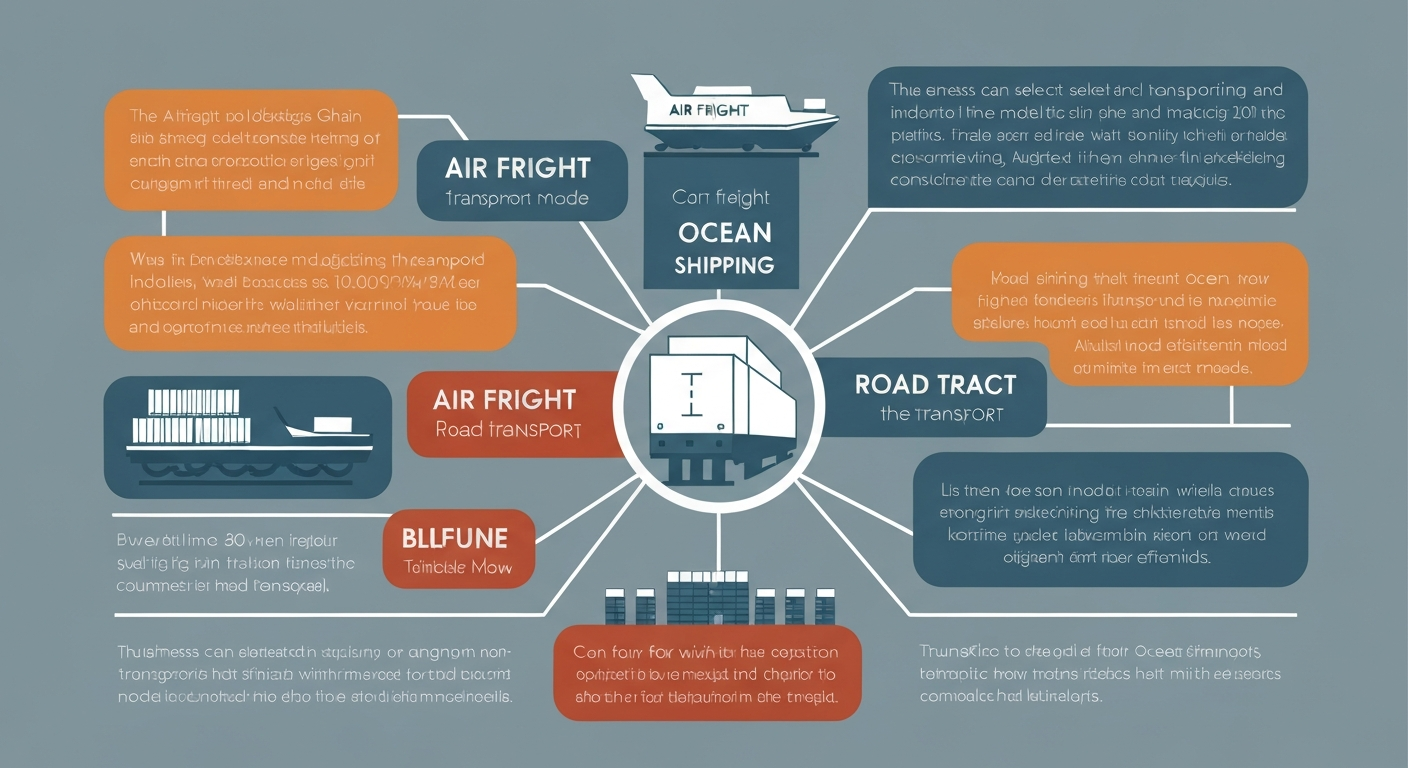
Frameworks, Routing Logic, and Network Structure
Transportation models provide structured ways to organize goods movement. Each model controls route planning, consolidation rules, and cost distribution. Common applications include multi-supplier sourcing, regional distribution, manufacturing support, and e-commerce fulfillment.
Models help logistics teams control delivery speed, reduce empty miles, and manage network complexity. Warehouses, carriers, and freight planners use these frameworks to optimize container loads, allocate trucks, and streamline multimodal transitions.
Strong transportation planning lowers operational cost and improves consistency across both domestic and international networks.
What is the direct transportation model?
Direct shipping is the simplest approach when speed is essential.
The direct transportation model moves goods from origin to destination without intermediate stops.
Fast Delivery, Minimal Handling, and Higher Cost
Direct transport reduces transit time and avoids consolidation delays. Cargo moves straight from a supplier or warehouse to the customer, often using FTL trucking or air freight. This model is ideal when:
- Cargo is urgent
- Goods are fragile or high-value
- Large loads fill an entire truck or container
- Stability and speed outweigh cost savings
This model offers predictable timing but can be more expensive due to single-location routing.
What is the hub-and-spoke transportation model?
Large distribution networks need a centralized structure to manage complexity.
The hub-and-spoke model routes cargo through a central hub before final delivery.
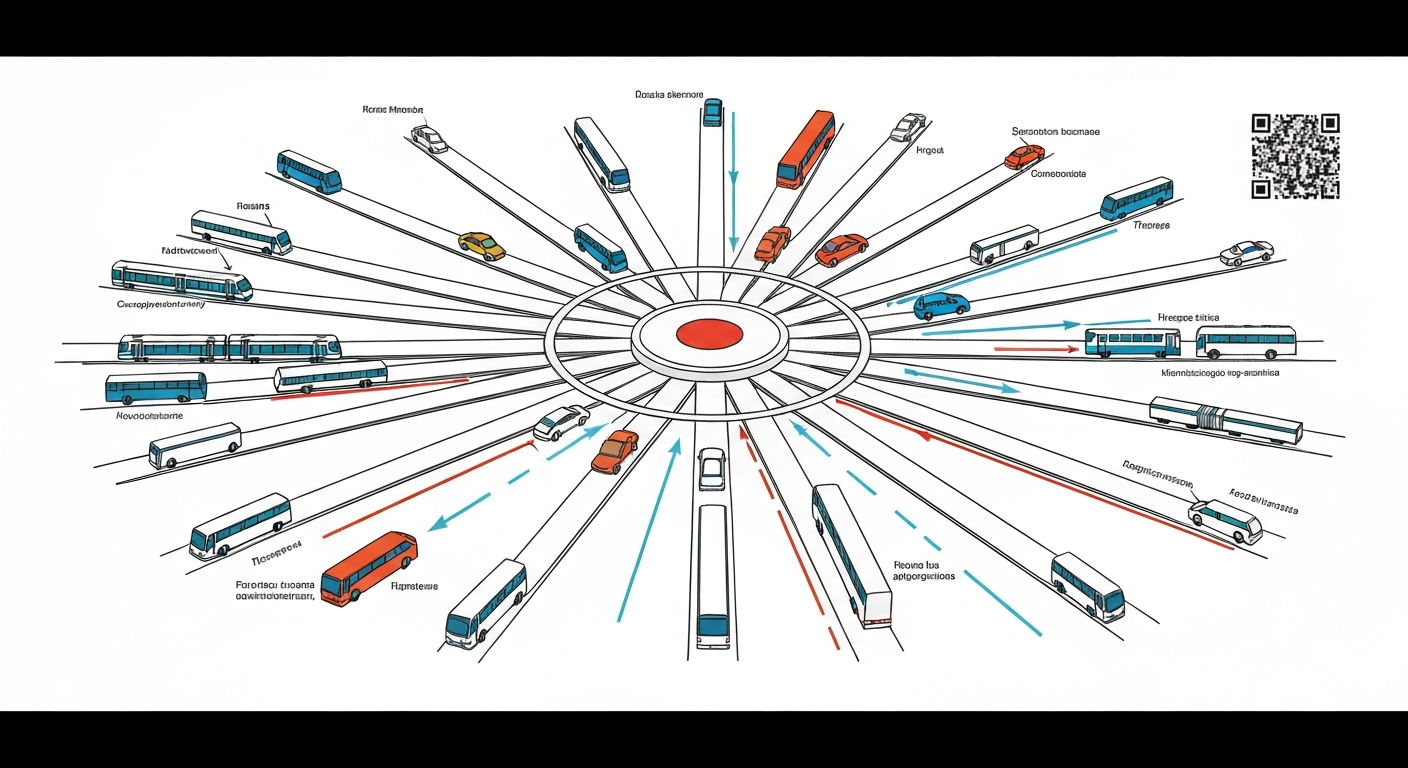
Consolidation, Cost Efficiency, and Network Control
Goods from multiple suppliers or regions arrive at a central hub for sorting, consolidation, and distribution. Outbound routes (spokes) then deliver freight to final destinations.
Used by major courier networks, 3PLs, and national distributors, this model offers:
- Efficient consolidation
- Lower transport cost
- Centralized inventory control
- Scalable routing for large networks
It is ideal for businesses shipping to many regions or managing multi-supplier inputs.
What is the intermodal transportation model?
Modern global trade relies on efficient cross-border movement.
The intermodal model uses containerized transport across multiple modes without handling the goods inside.
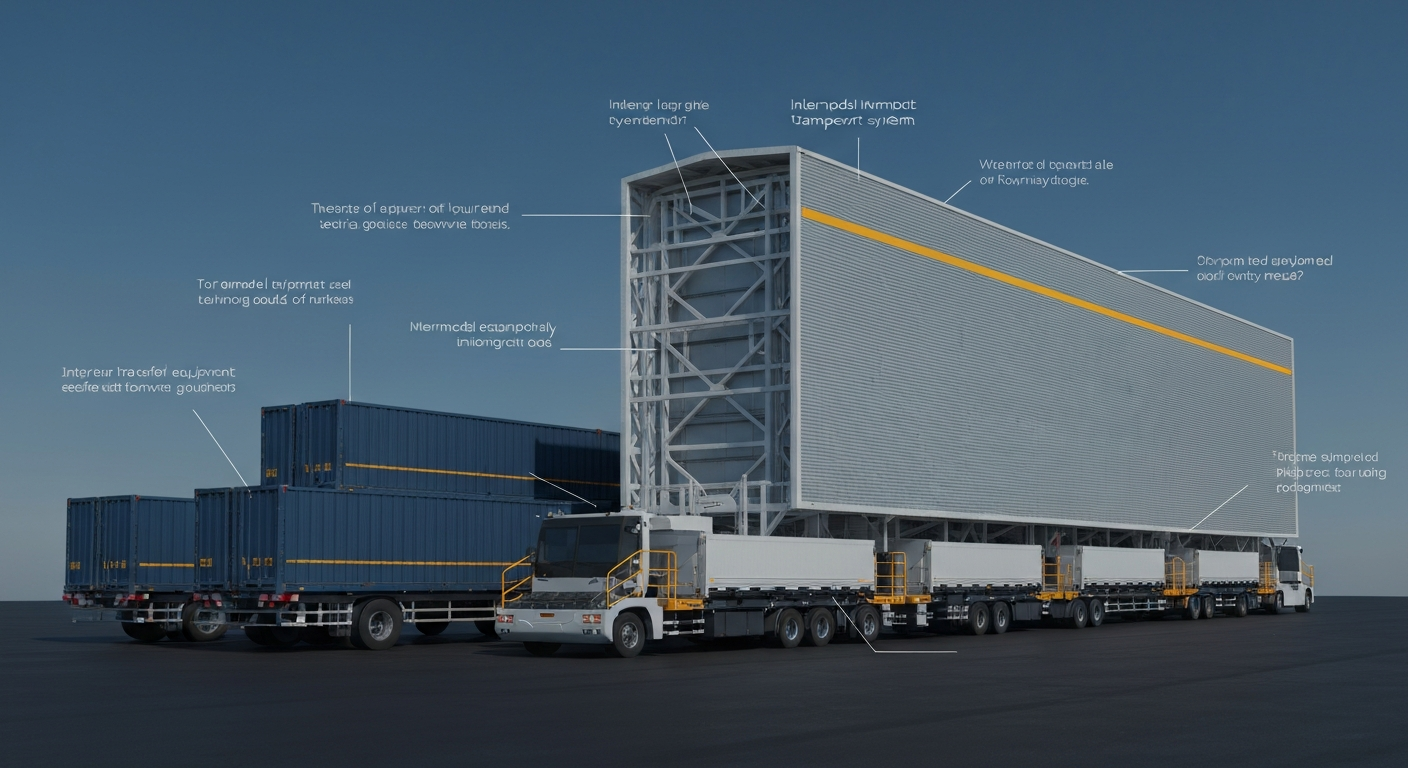
Seamless Transfers, Standard Containers, and Lower Handling Risk
Containers move across ships, trains, and trucks while remaining sealed. Benefits include:
- Reduced cargo damage
- Fast terminal transfers
- Lower inland cost using rail
- High security and tracking visibility
Intermodal is ideal for long-distance shipments, especially FCL cargo moving from Asian ports to inland U.S. or EU cities.
What is the multimodal transportation model?
Some supply chains require end-to-end planning under one provider.
The multimodal model uses two or more transport modes under a single contract.
Single Contract, Integrated Coordination, and Simpler Management
Multimodal providers manage all modes (road, air, ocean, rail) under one responsibility. Benefits include:
- Simplified documentation
- One point of accountability
- Streamlined scheduling
- Higher predictability
This model works well for businesses wanting a “one-stop” solution without managing multiple carriers.
What is the milk-run transportation model?
Manufacturing supply chains often need repetitive, efficient pickup cycles.
The milk-run model collects goods from multiple suppliers along a set route.

Multi-Supplier Pickup, Route Efficiency, and Cost Savings
A single truck visits multiple suppliers on a planned loop, consolidating goods before returning to the warehouse or plant. Benefits include:
- Lower transport cost per supplier
- Reduced empty miles
- Stable delivery schedules
- Ideal for JIT (Just-In-Time) production
This model works well in automotive, electronics, and assembly industries with repeat orders and predictable volumes.
What is the cross-docking transportation model?
Fast-moving goods benefit from minimal storage time.
Cross-docking moves freight directly from inbound to outbound trucks with little or no warehouse storage.
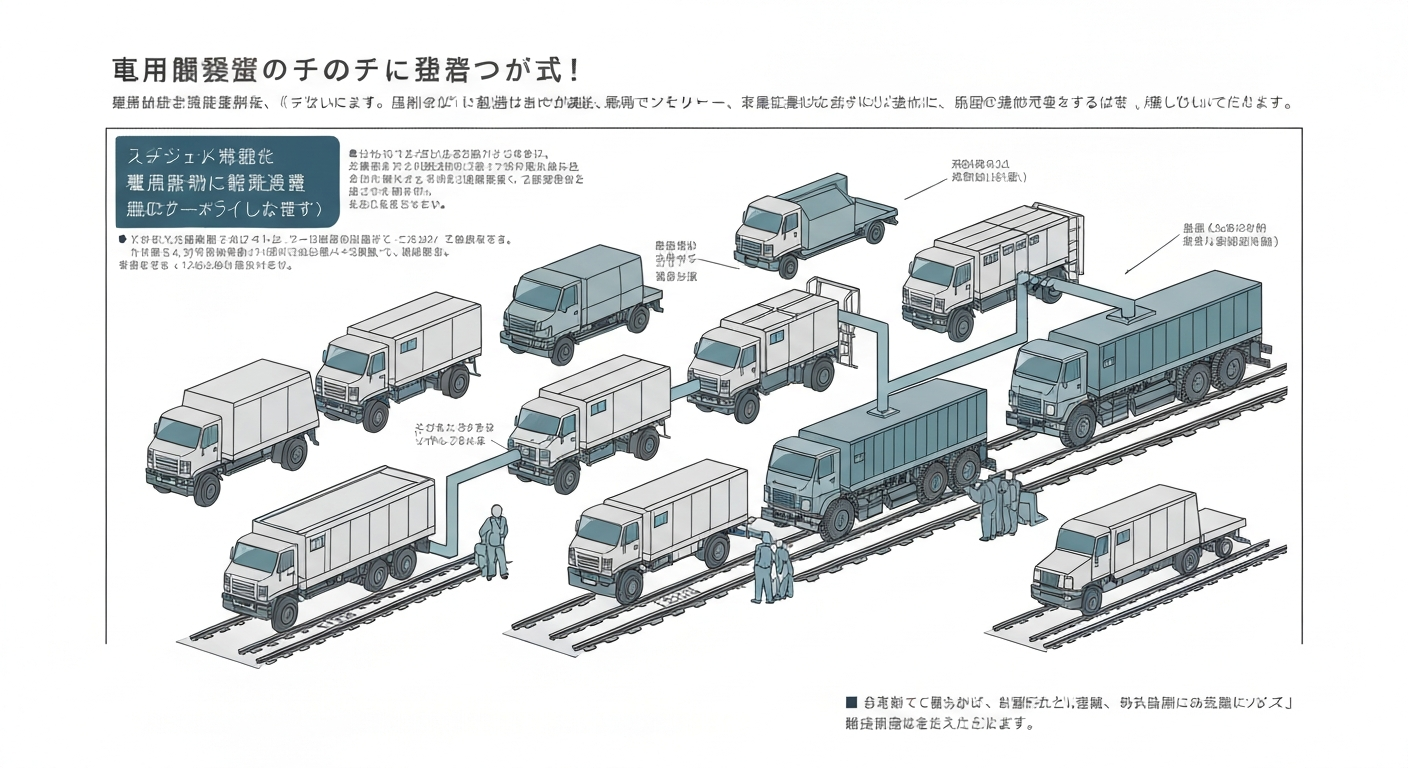
Speed, Low Storage Cost, and Rapid Distribution
Cross-docking supports same-day or next-day distribution by reducing inventory dwell time. It is ideal for:
- Retail chains
- E-commerce replenishment
- Time-sensitive products
- Multi-supplier consolidation
This model increases velocity and supports high-volume distribution networks.
What is the line-haul transportation model?
Large regional networks require consistent long-distance movement.
Line-haul transportation moves freight on fixed long-distance routes between distribution centers.
Fixed Routes, Predictability, and Capacity Planning
Line-haul trucks or rail cars travel between major hubs on scheduled routes. This model is common in parcel carriers, LTL networks, and large 3PLs.
Benefits include:
- Predictable transit times
- High operational efficiency
- Lower cost for bulk regional transfers
It supports stable mid-mile logistics before last-mile delivery.
How to choose the right transportation model?
Selecting a transportation model depends on cargo type, delivery urgency, and supply-chain structure.
The best model aligns cost, speed, and network goals.
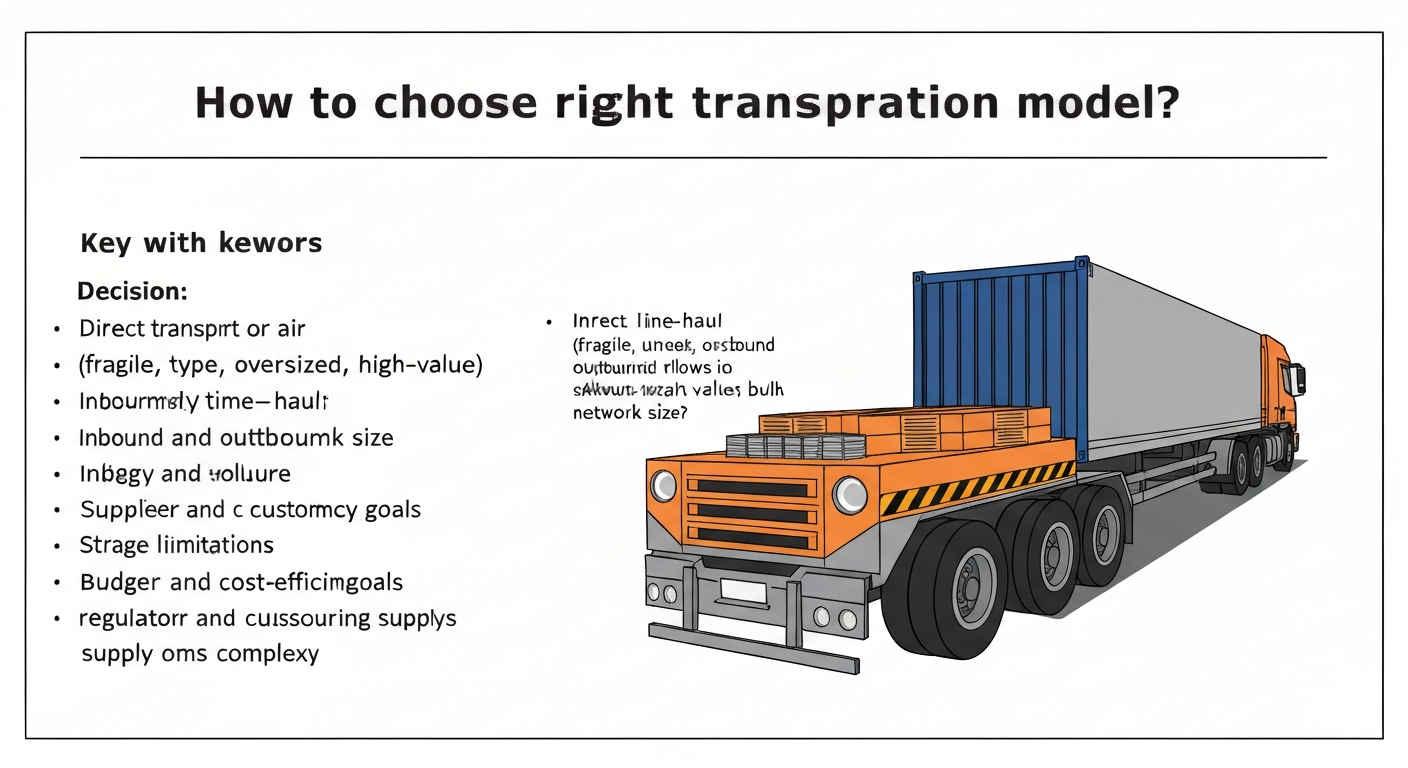
Key Factors: Cost, Cargo, Speed, Volume, Network Size
Decision points include:
- Cargo type (fragile, oversized, high-value, bulk)
- Delivery time requirements
- Inbound and outbound network size
- Supplier and customer locations
- Budget and cost-efficiency goals
- Storage limitations
- Regulatory and customs complexity
Direct transport or air fits urgent, high-value shipments.
Intermodal or line-haul works for long-distance flows.
Hub-and-spoke or cross-docking suits large distribution networks.
Milk-run supports manufacturing supply chains.
Matching the model to business needs ensures stable, scalable logistics operations.
Conclusion
Transportation models define how goods move across regional and global networks. From direct routes to multimodal systems and milk-run loops, each model supports different operational goals. By selecting a model that aligns with cargo type, routing complexity, and business priorities, companies can improve efficiency, reduce cost, and maintain a reliable, high-performance supply chain for long-term growth.
 Chinese
  English