
An Importer Security Filing (ISF) is a mandatory U.S. Customs requirement for ocean shipments entering the United States.
ISF provides advance cargo details before arrival, helping U.S. Customs assess security risk and clear shipments smoothly.
Understanding ISF helps importers avoid penalties, prevent delays, and maintain compliance when shipping from overseas suppliers.
What exactly is an ISF?
Many importers underestimate ISF until a penalty or customs delay occurs.
ISF is a pre-arrival filing that provides 10 key data elements about the shipment for U.S. Customs review.
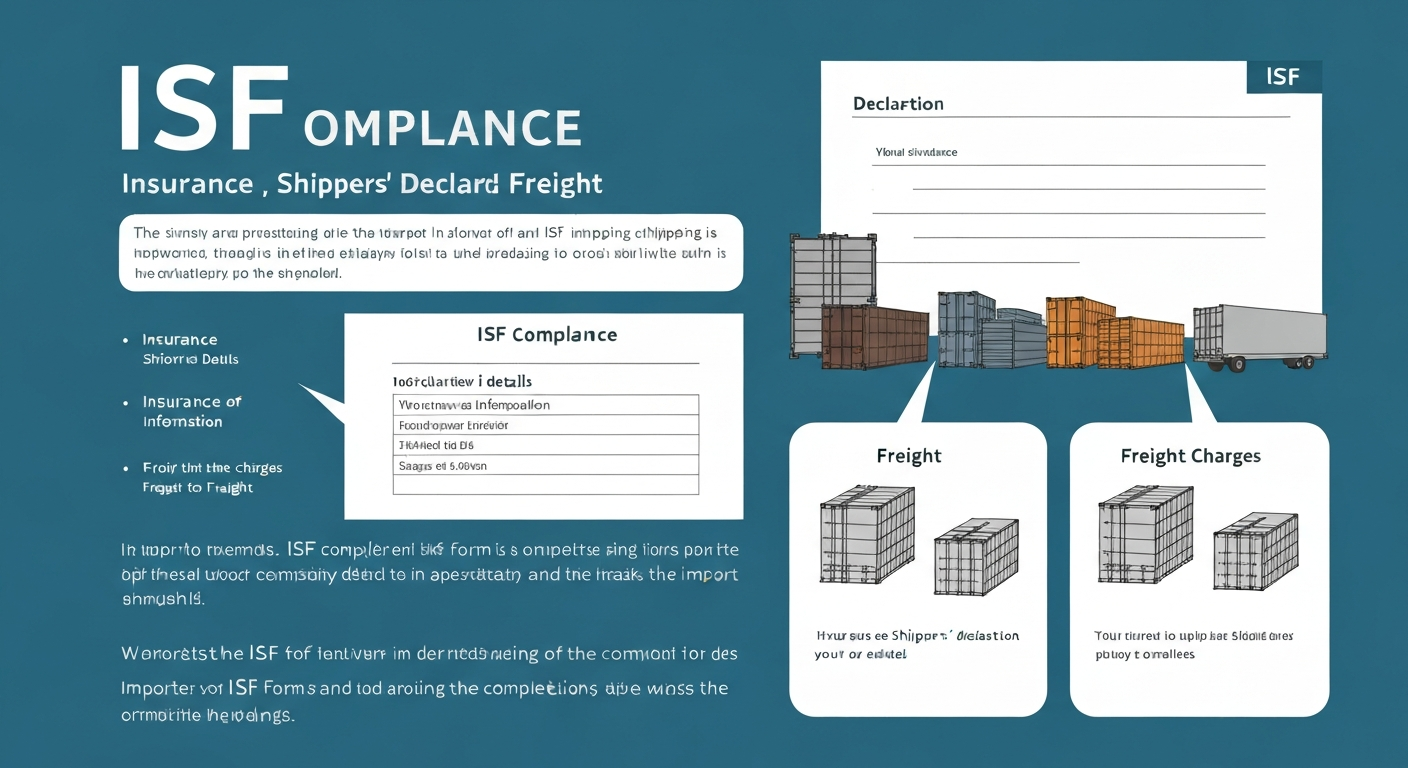
Filing Requirements, Customs Purpose, and Data Flow
ISF—often called ISF 10+2—applies to all ocean shipments entering the U.S. It includes 10 data elements from the importer (manufacturer, supplier, buyer, seller, HTS code, etc.) and 2 from the carrier (vessel stowage plan and container status messages).
The filing must be completed before the cargo is loaded onto the vessel at the origin port. U.S. Customs uses these details to identify risk, focus inspections, and protect the supply chain. Missing, late, or incorrect ISF creates compliance issues and may lead to penalties.
Forwarders coordinate supplier information, verify HS codes, and confirm product details early to ensure the ISF is correct before the carrier’s cutoff.
When is ISF required?
ISF is mandatory for all importers shipping goods into the U.S. by ocean transport.
ISF is required for FCL, LCL, and consolidation shipments entering U.S. ports.
Shipment Types, Exemptions, and Timing
ISF applies to:
- FCL container shipments
- LCL consolidated shipments
- Break bulk cargo (with special rules)
ISF does not apply to:
- Air freight
- Courier/express shipments
- Domestic shipments
- Export cargo from the U.S.
For FCL and LCL, the importer is responsible for filing ISF even when suppliers or forwarders prepare the documents. Filing must occur at least 24 hours before vessel loading at the origin port.
Failure to file on time leads to compliance risks and potential customs scrutiny on future shipments.
What information is included in an ISF?
ISF requires 10 data elements from the importer and 2 from the carrier.
The filing includes detailed information about the shipment, supplier, buyer, and cargo classification.
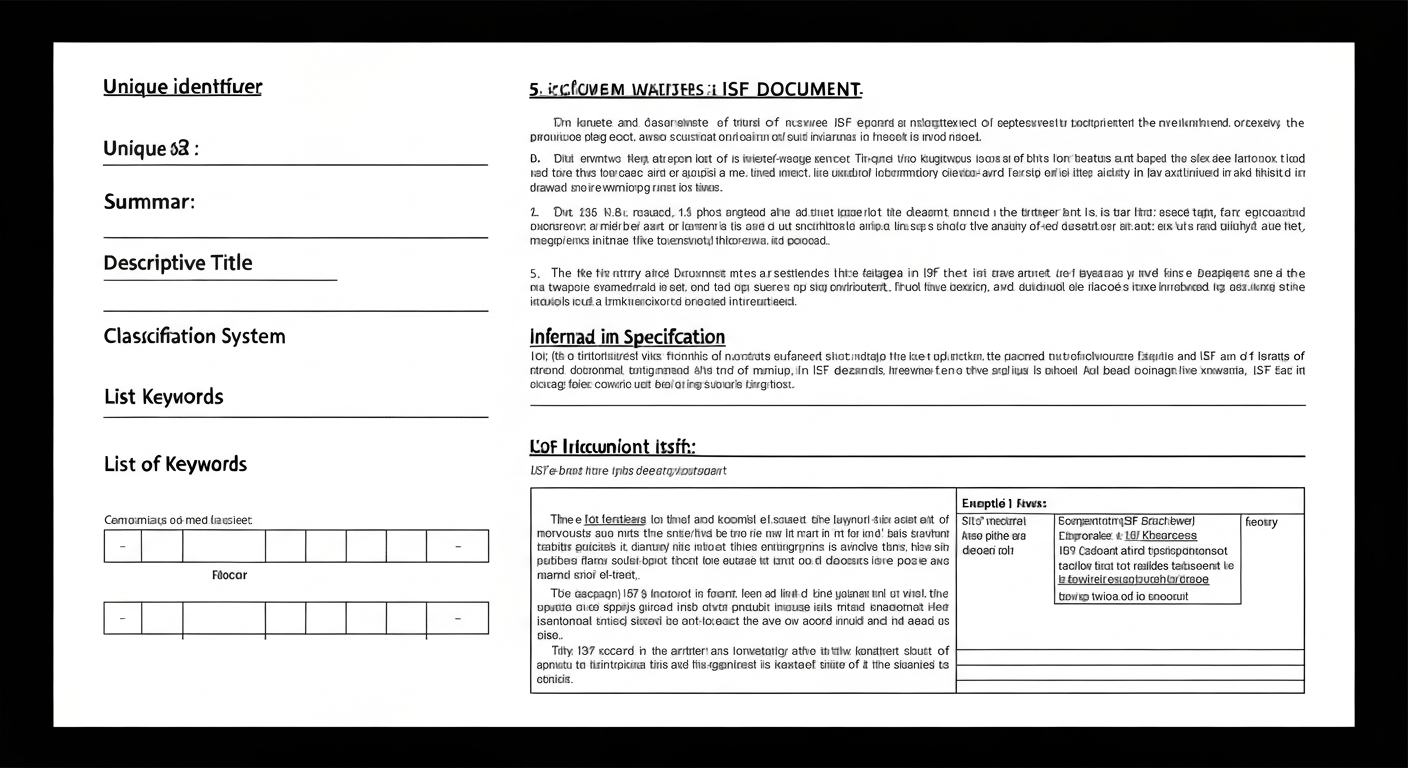
ISF 10+2 Components
Importer’s 10 data elements:
- Manufacturer (supplier)
- Seller
- Buyer
- Importer of Record
- Consignee number
- HTS code (6-digit minimum)
- Ship-to name and address
- Container stuffing location
- Consolidator (stuffer)
- Country of origin
Carrier’s 2 data elements:
- Vessel stowage plan
- Container status messages
Accurate details are essential. Misalignment between invoice, packing list, and ISF triggers customs questions or document rechecks.
Forwarders verify all data from multiple suppliers before consolidation to avoid mismatched filings.
What happens if ISF is not filed or filed late?
ISF non-compliance leads to penalties, delays, and potential shipment holds.
Late or missing ISF can result in fines up to $5,000 per violation.
Customs Penalties, Holds, and Inspection Risk
Consequences include:
- Monetary fines imposed by U.S. Customs
- Higher inspection probability
- Longer customs clearance time
- Terminal delays and storage fees
- Possible shipment “do not load” (rare but severe)
Late ISF creates a compliance record that affects future shipments. Consistent filings help maintain a clean importer profile with U.S. Customs.
How is ISF filed?
ISF must be filed electronically through the U.S. Customs ACE platform or via a licensed broker.
Importers typically rely on forwarders or customs brokers to submit ISF on their behalf.
Filing Steps and Workflow
The ISF workflow includes:
- Supplier provides invoice, packing list, and stuffing details
- Logistics team verifies HS codes and classification
- Importer provides IOR and consignee information
- Forwarder submits ISF electronically
- Confirmation is received before cargo loading
When shipping from multiple suppliers, warehouses inspect cartons, confirm SKU lists, and validate all data needed for an accurate ISF submission.
Why is ISF important for supply-chain visibility?
ISF gives U.S. Customs early visibility into incoming cargo.
Timely ISF filing supports smooth clearance and reduces inspection risk.
Security Screening, Advance Notification, and Efficiency
ISF helps customs:
- Identify high-risk cargo before arrival
- Speed up clearance for compliant importers
- Reduce port congestion
- Lower risk of national security violations
For importers, accurate ISF ensures predictable release after vessel arrival and avoids last-minute delays that disrupt warehouse receiving schedules.
How does ISF work for LCL and consolidated shipments?
LCL shipments require special attention because cargo from many suppliers is combined.
ISF for LCL uses the HBL and shared container information.
Multi-Supplier Verification and Document Alignment
For LCL:
- Each importer files their own ISF
- Supplier information must match the consolidation record
- HS codes must be verified for each SKU
- Stuffing location must be confirmed by the CFS warehouse
Consolidation hubs ensure all suppliers provide complete information before cutoff. This prevents incorrect filings that may affect the entire shared container.
What documents support an ISF filing?
ISF accuracy depends on the consistency of supplier and import documents.
Supporting documents include the invoice, packing list, HS code list, and stuffing details.

Document Requirements and Verification
Important documents:
- Commercial invoice
- Packing list
- HS codes
- Supplier/manufacturer details
- Container stuffing information
- Bill of lading draft
- Consignee and Importer of Record details
Forwarders cross-check all documents before submitting the ISF to avoid customs discrepancies.
Conclusion
ISF is a mandatory U.S. Customs filing that provides advance cargo details for all ocean imports. Accurate and timely ISF submission prevents penalties, reduces inspection risk, and ensures smoother customs clearance. With correct supplier data, consistent documentation, and coordinated support from freight experts, importers maintain compliance and keep shipments moving efficiently into the United States.
 Chinese
  English