
Drayage is a short-distance transport service connecting ports, rail ramps, warehouses, and container yards.
Drayage moves containers between local facilities, enabling smooth transitions from ocean or rail transport to the next step of the supply chain.
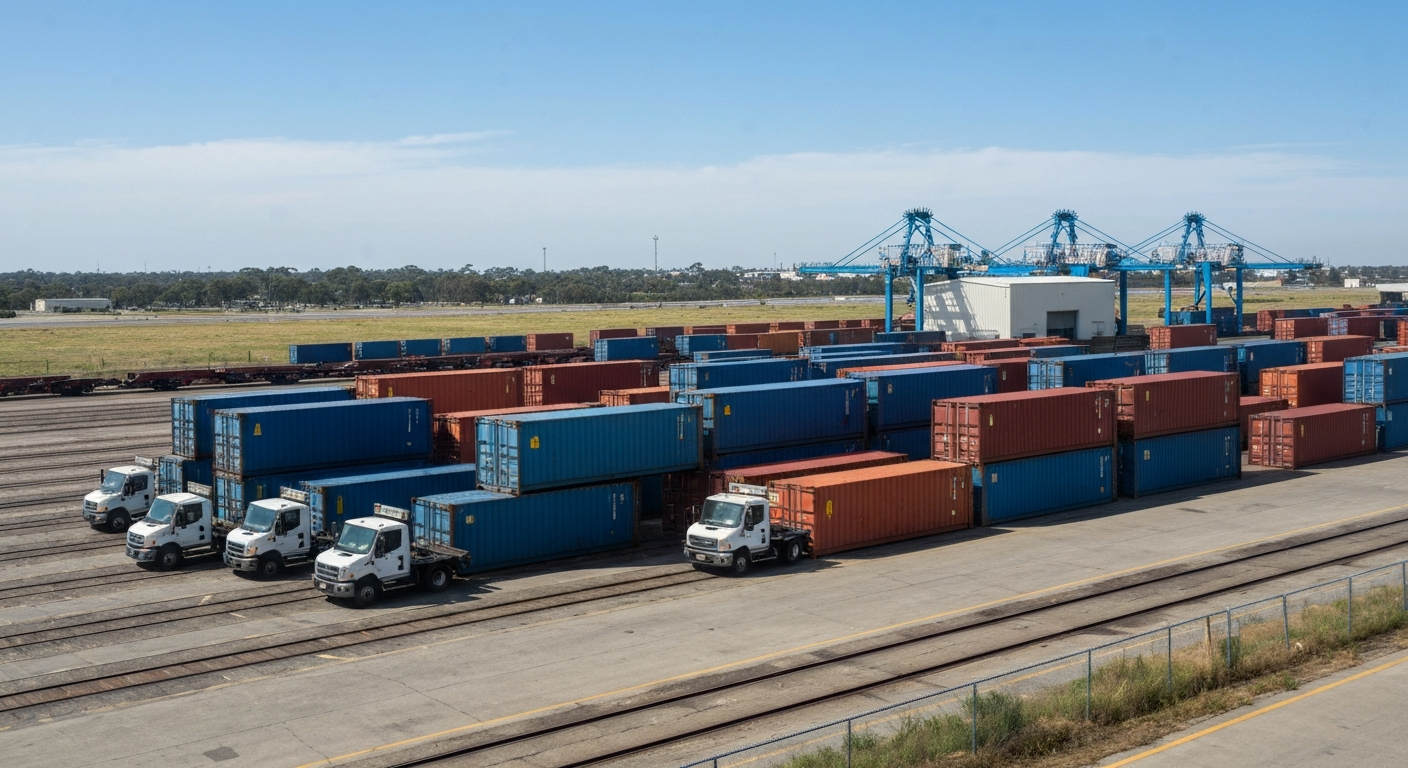
Clear understanding of drayage helps importers plan port pickups, avoid detention charges, and maintain efficient container flow.
How does drayage work in real operations?
Port delays and unclear truck schedules often disrupt container movement.
Drayage moves containers from terminals to nearby warehouses, rail yards, or distribution centers.
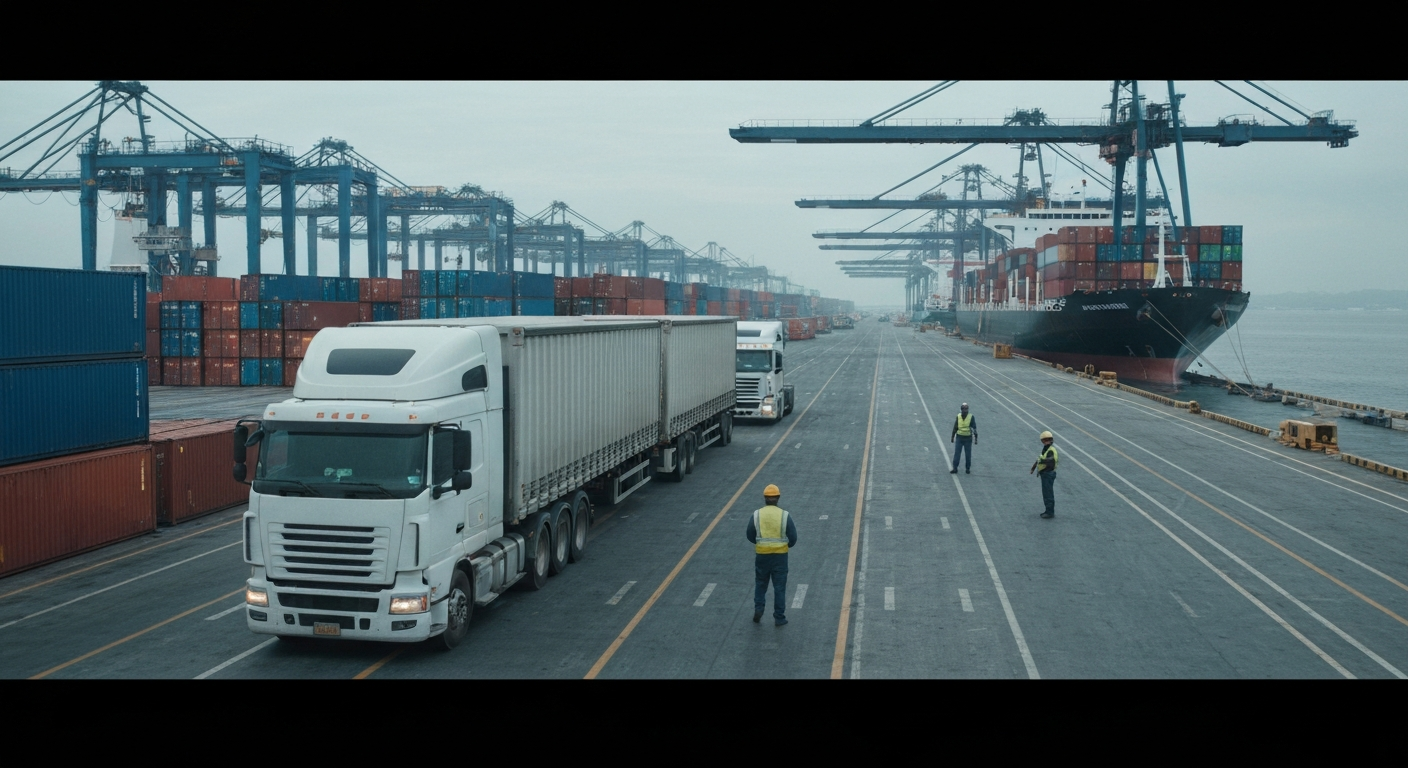
Drayage Steps, Port Handling, and Supply-Chain Impact
Drayage begins when a container is released at the port. A trucker pulls the container from the terminal, completes verification, and transports it to a warehouse or yard. Depending on the shipment, the container gets unloaded, stored, or directly repositioned for export. This short-haul movement usually ranges from a few miles to less than 100 miles.
The process relies heavily on port appointments, terminal congestion levels, and container availability. Ports like Los Angeles, Long Beach, Houston, Dubai, and Hamburg use digital gate systems to manage truck flow. Drayage efficiency affects the importer’s costs—late pickups trigger demurrage, detention, or chassis rental fees.
Strong drayage support keeps containers moving quickly. Coordinated communication with warehouses ensures unloading teams are ready, preventing idle time. When freight partners monitor port data, appointment slots, and chassis equipment availability, importers gain reliable timing and avoid penalties that often arise during peak seasons.
What types of drayage services exist?
Different cargo needs require different short-haul solutions.
Drayage includes port drayage, rail drayage, intermodal drayage, and transloading drayage.

Service Categories and How They Support Importers
Port drayage moves containers from seaports to warehouses or container freight stations.
Rail drayage connects cargo from rail ramps to local distribution hubs.
Intermodal drayage links ocean, rail, and truck networks for complex routing.
Transloading drayage moves goods from containers into domestic trucks or pallets for inland delivery.
These services support different supply-chain needs. For example, e-commerce sellers often use transloading to shift goods from ocean containers to domestic parcel networks. Importers with high-volume replenishment use port drayage to deliver directly to 3PL warehouses. Proper planning ensures the right drayage method fits the final-mile transport strategy.
Experienced logistics providers coordinate appointments, driver allocation, and warehouse readiness. This avoids bottlenecks and keeps container movement predictable.
Why is drayage important in container logistics?
Slow local transport can cause expensive delays even when ocean transit is on time.
Drayage ensures containers leave the port quickly and enter the distribution network without interruption.
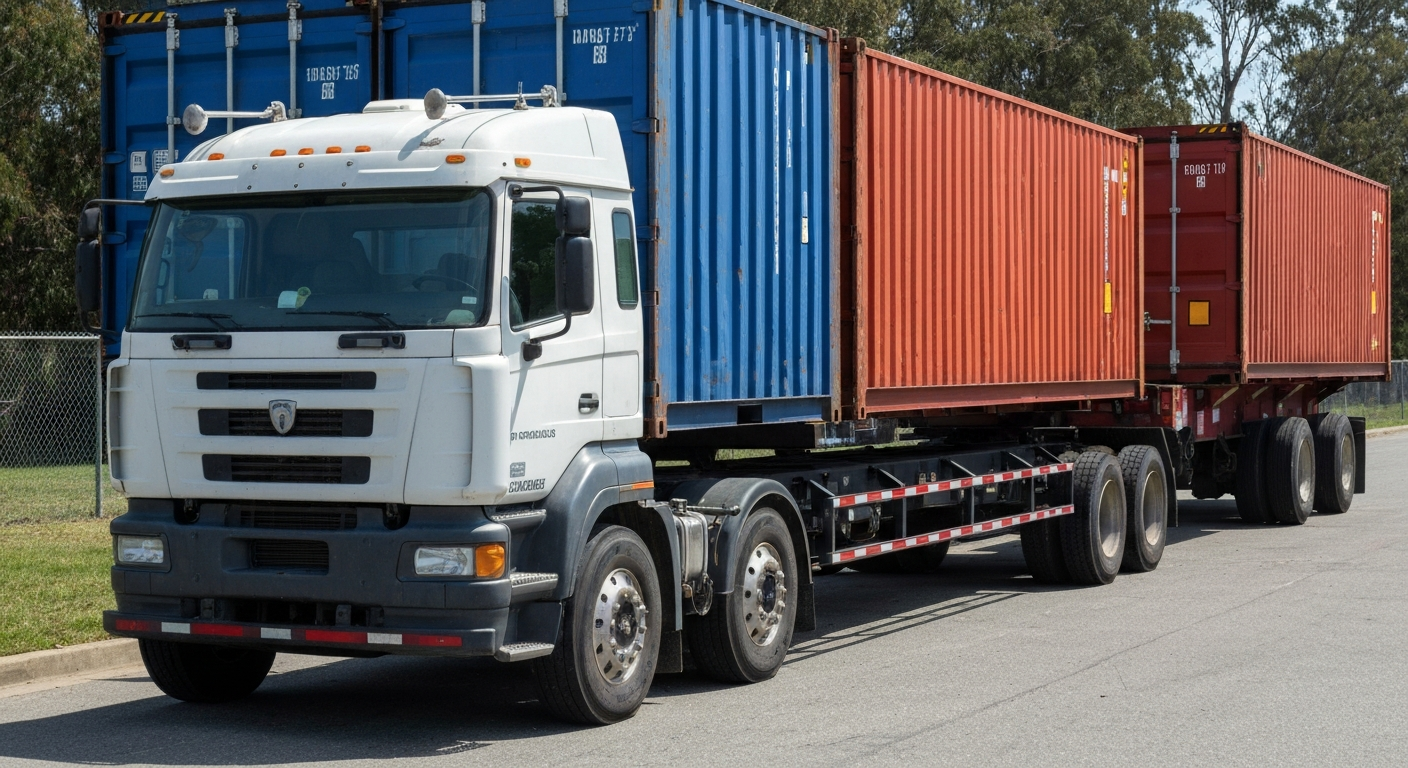
Cost Avoidance, Timing Control, and Network Efficiency
Ports charge demurrage when containers stay too long in the terminal. Carriers charge detention when chassis or containers are held past free time. Efficient drayage prevents both. A smooth pickup reduces stress on warehouse schedules and keeps downstream trucking on track.
Drayage speed influences overall lead time. When containers move directly into unloading or cross-docking, importers reduce dwell time and speed up distribution. For LCL shipments, drayage supports movement from CFS warehouses to final sorting points.
Reliable drayage providers monitor cut-off times, port congestion, and yard hours. Early communication protects the importer from sudden fees and prevents missed warehouse receiving windows.
What factors affect drayage timing?
Port congestion, chassis shortages, and appointment systems frequently cause delays.
Drayage timing depends on port traffic, container availability, paperwork accuracy, and trucking capacity.
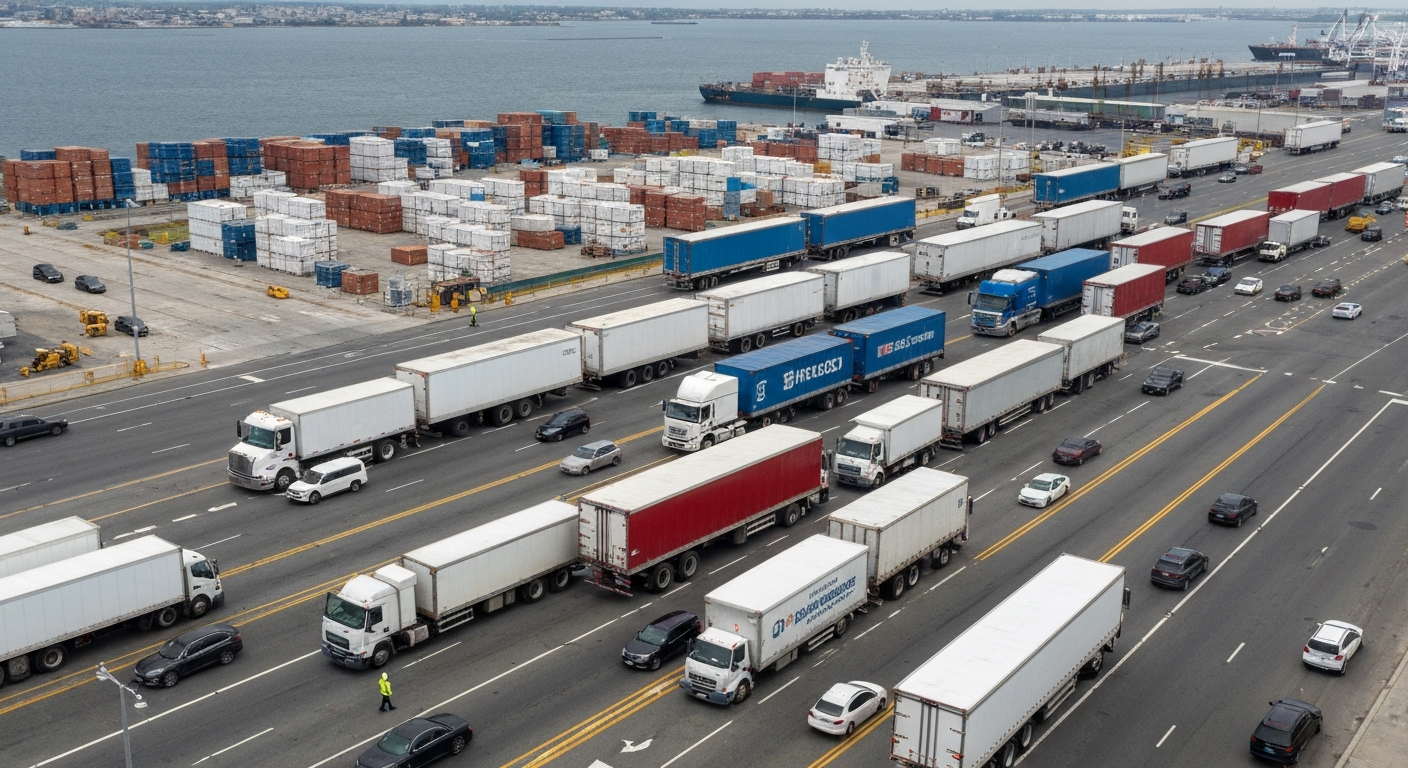
Operational Constraints and Planning Advantages
Ports often use appointment systems that limit daily capacity. When vessel arrivals surge, appointment slots fill quickly, causing pickup delays. Chassis shortages—common in U.S. ports—slow down trucking operations. Incorrect documents or mismatched container numbers create additional terminal holds.
Weather disruptions, customs inspections, and port holidays can extend the timeline further. Skilled drayage operators anticipate these issues and secure appointments early, minimizing risk.
When combined with clear documentation, verified HS codes, and correct BL details, drayage moves smoothly. Importers with strong logistics partners receive early warnings about congestion, allowing time for alternate arrangements.
How does drayage support multimodal logistics?
Global supply chains rely on several transport legs working together.
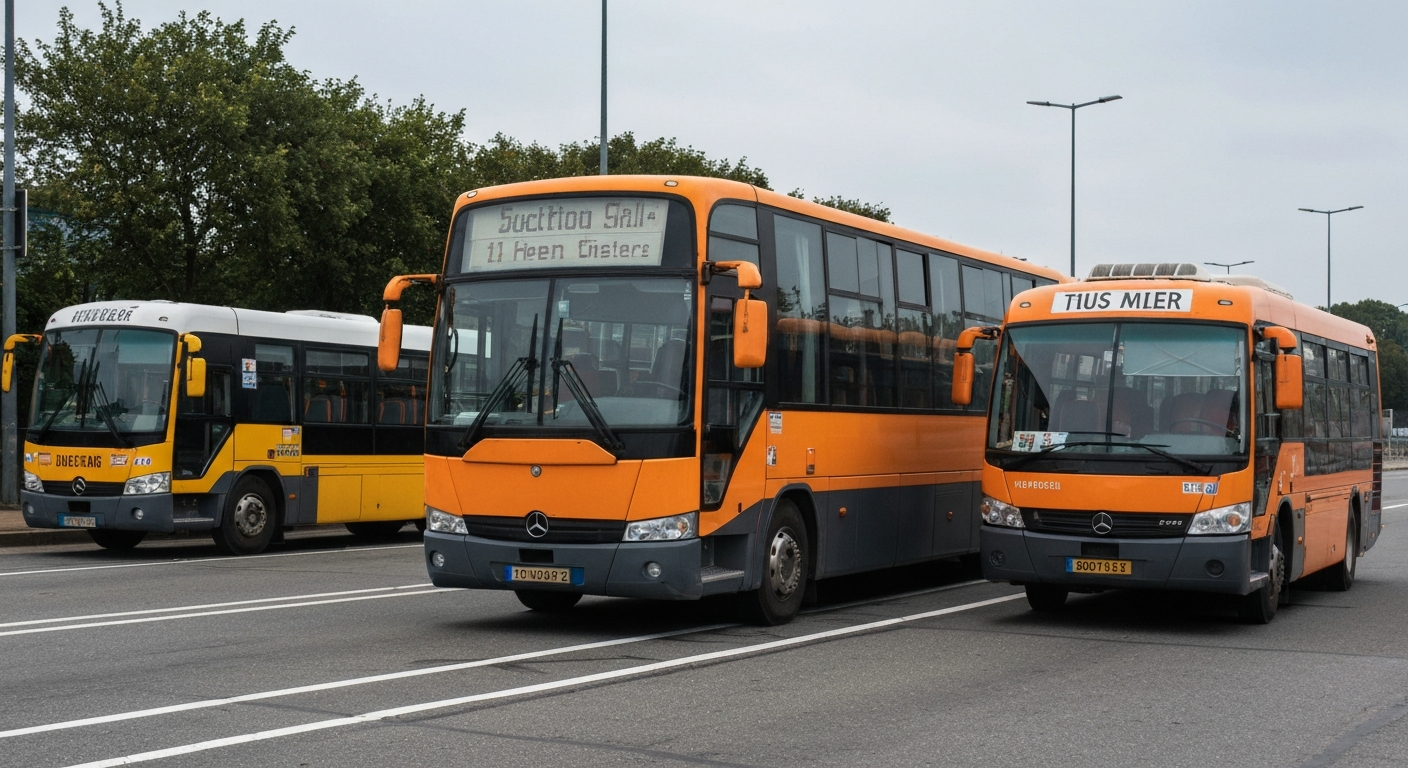
Drayage links ocean, rail, and trucking systems into a unified flow.
Integration, Routing Options, and Cost Efficiency
After a vessel arrives, drayage transfers the container to a rail yard or warehouse for inland transition. Intermodal shipments use standardized chassis and rail systems, allowing containers to move across long distances at lower cost. Transloading shifts cargo from ocean containers into domestic trailers, optimizing space for U.S. or EU inland transport.
These transitions rely on precise timing. Missed drayage windows disrupt rail loading, delay warehouse receiving, and trigger storage costs. Coordinated teams align overseas schedules, unloading crews, and final-mile carriers to maintain consistency.
Professional logistics networks track container gate-in, vessel arrival, and terminal release, enabling immediate drayage dispatch once the port clears the shipment.
Document Flow and Release Control
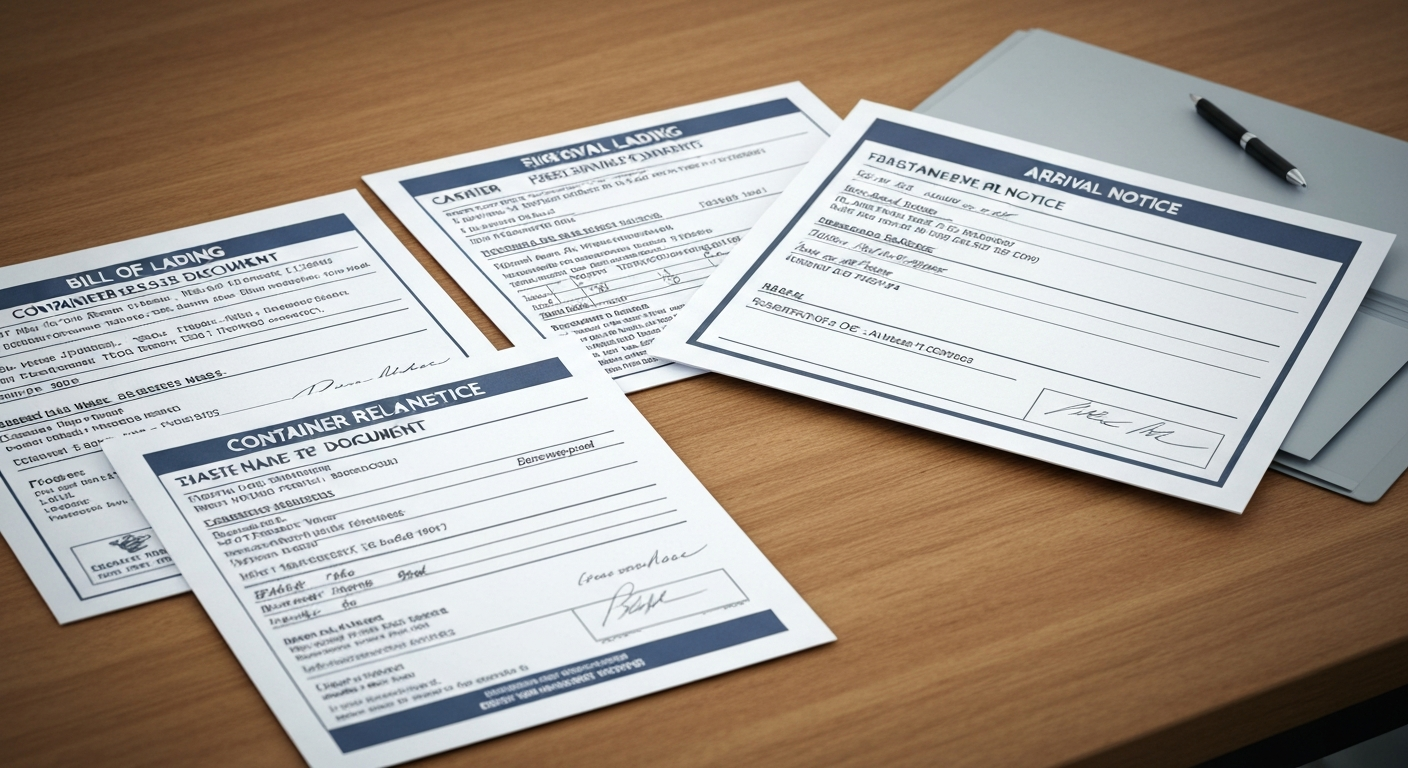
Key documents include:
- Bill of lading for ownership
- Arrival notice from the carrier
- Telex release or OBL surrender confirmation
- Customs release for import clearance
- Terminal release / delivery order for port pickup
Drayage cannot proceed until these documents match. HS codes, product descriptions, and invoice values must be consistent to avoid customs holds. Logistics teams verify paperwork and coordinate payment of port fees before dispatching drivers.
When paperwork flows smoothly, drayage becomes predictable and efficient.
Conclusion
Drayage is the essential link between ports, warehouses, rail ramps, and distribution centers. By keeping containers moving during the short-haul stage, drayage prevents costly delays, reduces terminal penalties, and strengthens the entire supply chain. With proper documentation, early appointment scheduling, and coordinated logistics support, drayage becomes a reliable foundation for fast, stable, and well-managed global import operations.
 Chinese
  English